
The landscape of air quality monitoring is shifting. For years, the focus remained on PM2.5 and PM10 (mass concentration), but we are increasingly realizing that the most dangerous threats are the ones we can’t weigh. Ultrafine particles (UFPs), or nanoparticles, are so small they penetrate deep into the bloodstream, yet they often escape traditional sensors and regulatory implementations.
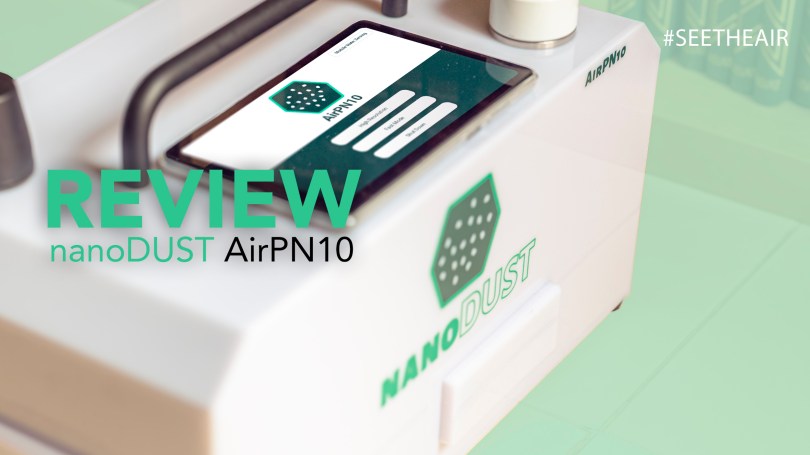
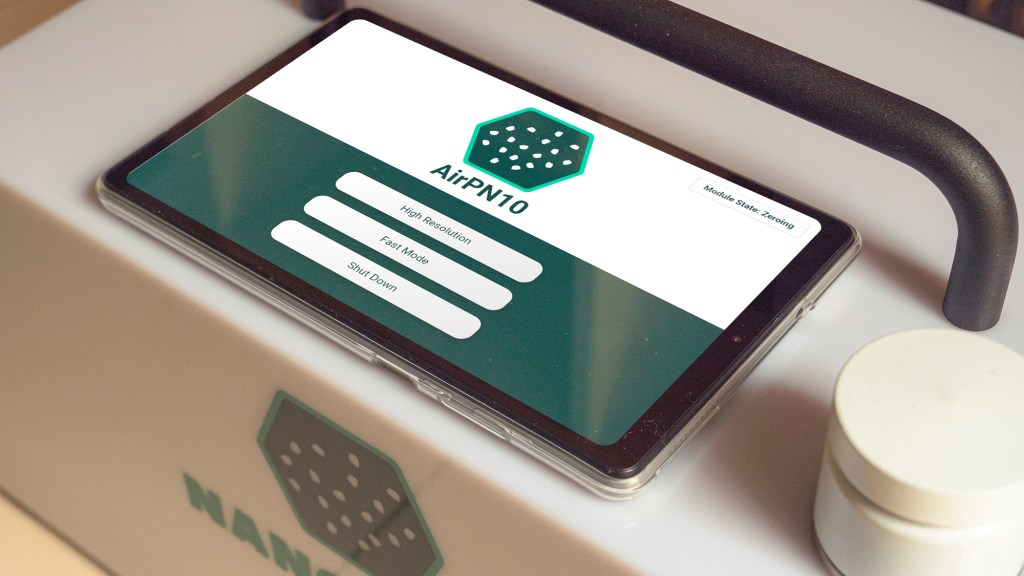
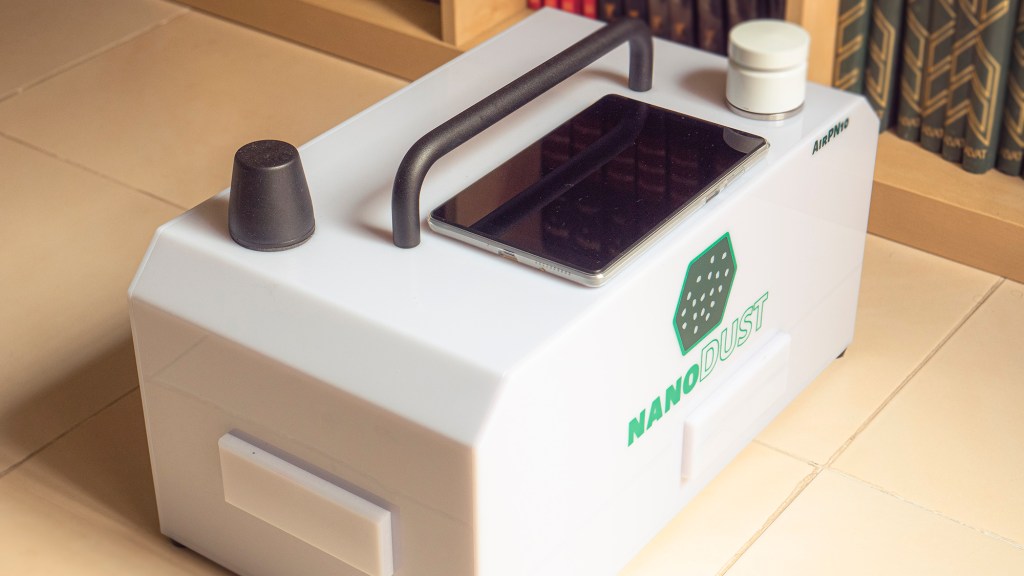
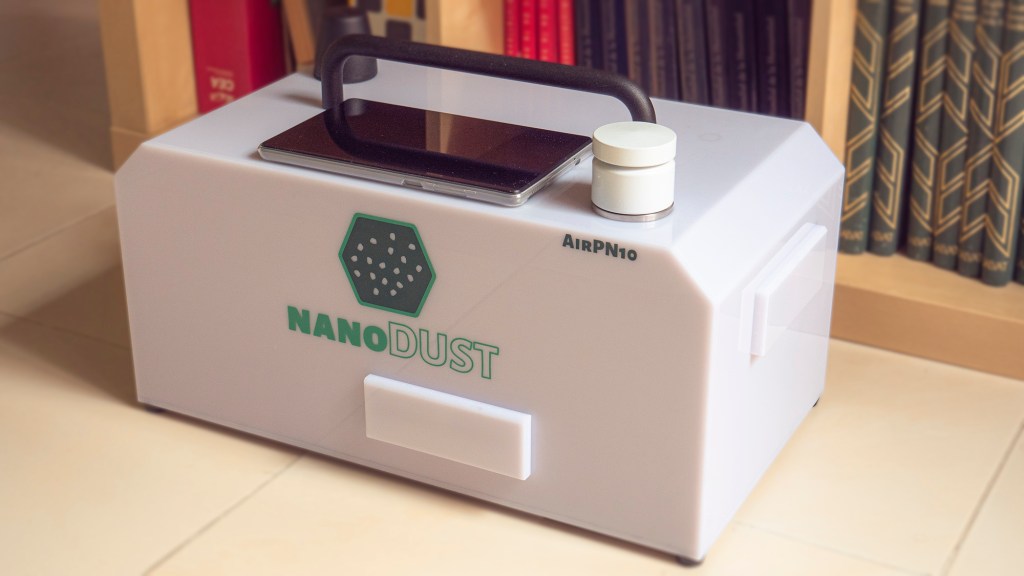
Enter the nanoDUST AirPN10. Designed as a “Plug & Play” solution for monitoring these invisible threats, it promises to bring lab-grade accuracy to the field without the logistical headaches of traditional counters.
Technical Specifications
The nanoDUST AirPN10 is built for high-precision air monitoring. Its standout feature is its independence from working fluids, unlike Condensation Particle Counters (CPC) that require constant refills of butanol or water.
- Measurement Range: 1,000 to 500,000 particles/cm³
- Lower Detection Limit: D50 at 10 nm
- Technology: Advanced Diffusion Charging (ADC)
- Aerosol Handling: Integrated Aerosol Switching Technology (AST) for solid vs. volatile separation.
- Weight: ∼9 kg
- Connectivity: LTE (Cloud), LAN (Ethernet), and USB.
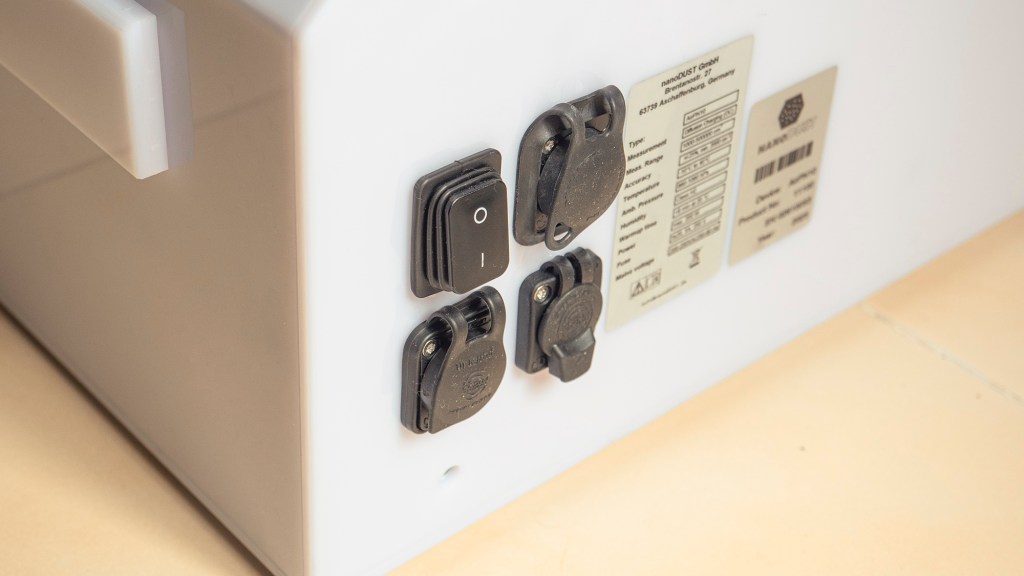
- Durability: Weatherproofed for outdoor use (when not using the rear USB port).
- Power Consumption: Typically <100 W
- Ingress Protection: IP55 Weatherproof
- Sample Inlet: PM10 Sampling Head
- Calibration Aerosol: Soot

 See The Air