

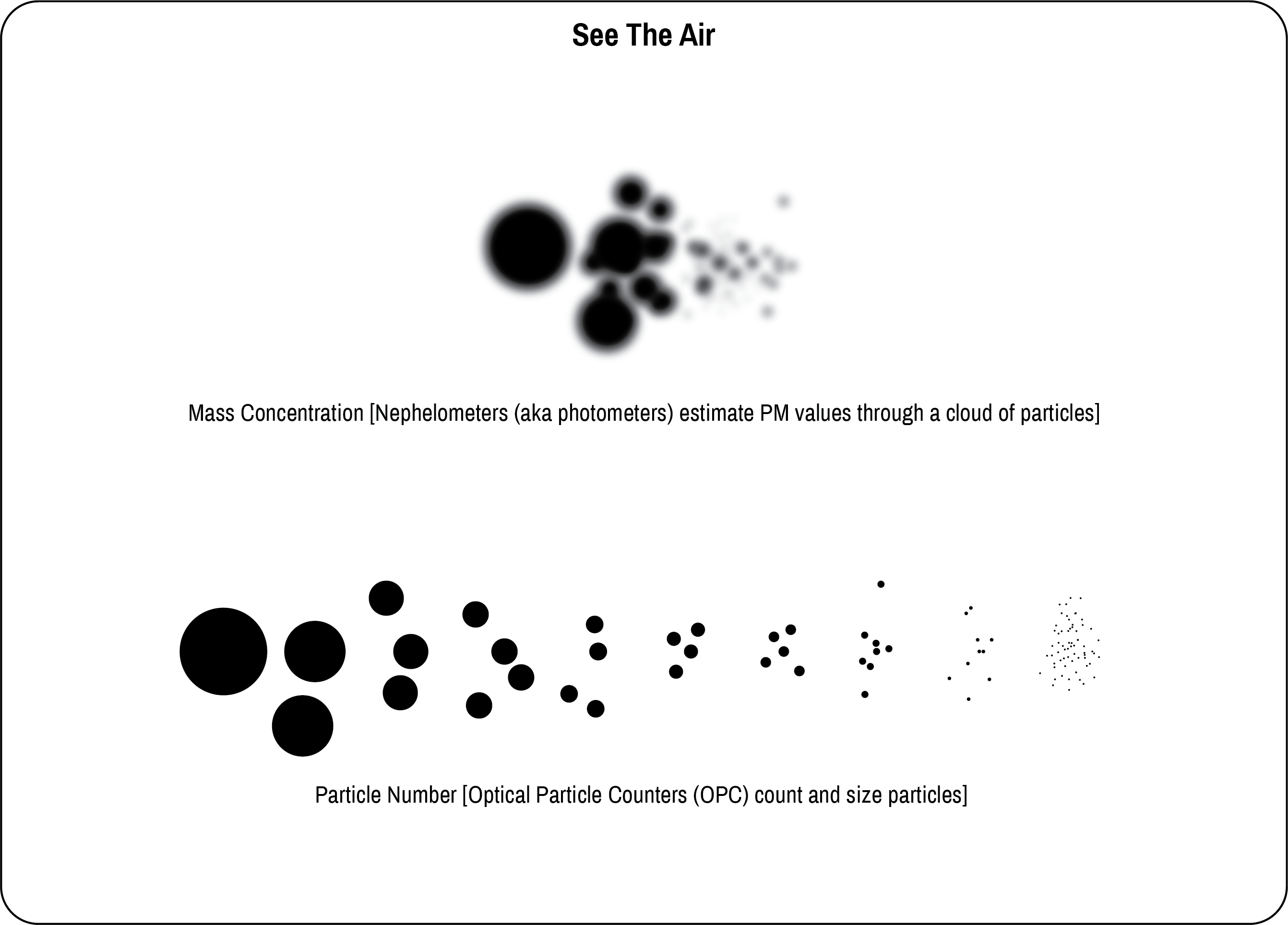
While monitoring air quality, scientists traditionally relied on mass concentration to measure particulate matter (PM). This metric tells you the total mass of particles per unit volume of air. But for sub-micron particles – those less than one micrometer in diameter – mass concentration falls short. Here’s why measuring particle number by size distribution is a superior approach.
The Small Matter of Small Particles
Sub-micron particles are incredibly tiny. Imagine a human hair – typically around 70 microns thick. A sub-micron particle is hundreds to thousands of times smaller! Due to their miniscule mass, even large numbers of sub-micron particles can register a low mass concentration. This can be misleading, as the health risks they pose aren’t dependent solely on weight.
Penetrating Deep: Size Matters More
Sub-micron particles, especially those in the ultrafine range (less than 100 nanometers), are deeply concerning. Their small size allows them to bypass the body’s natural defenses and infiltrate deep into the lungs. These particles can even enter the bloodstream, potentially causing respiratory and cardiovascular problems.

Counting What Counts: Unveiling the Hidden Threat
Mass concentration might miss the bigger picture, but measuring particle number by size distribution provides a more accurate representation of the potential health risk. This method reveals the number of particles at different size ranges, giving a clearer idea of how many could be infiltrating the lungs.

A Sharper Lens on Air Quality
By using particle number concentration, researchers and policymakers can gain valuable insights:
- Identify sources: Different sources, like vehicle emissions or industrial processes, produce particles of varying sizes. Particle number distribution helps pinpoint the culprit.
- Targeted regulations: Regulations can be designed to address specific particle size ranges linked to health risks.
- More effective monitoring: Air quality monitoring can be tailored to capture the most concerning particle types.
The Future of Air Quality Monitoring
While mass concentration isn’t entirely useless, for sub-micron particles, particle number by size distribution paints a more accurate picture. This method empowers us to better understand the threats posed by air pollution and take targeted action for cleaner, healthier air.
References:
- Azimi, P., Zhao, D., & Stephens, B. (2016). Modeling the impact of residential HVAC filtration on indoor particles of outdoor origin (RP-1691). Science and Technology for the Built Environment, 22(4), 431–462. https://doi.org/10.1080/23744731.2016.1163239
- Fazli, T., Zeng, Y., & Stephens, B. (2019). Fine and ultrafine particle removal efficiency of new residential HVAC filters. Indoor Air. https://doi.org/10.1111/ina.12566
Discover more from See The Air
Subscribe to get the latest posts sent to your email.
 See The Air