
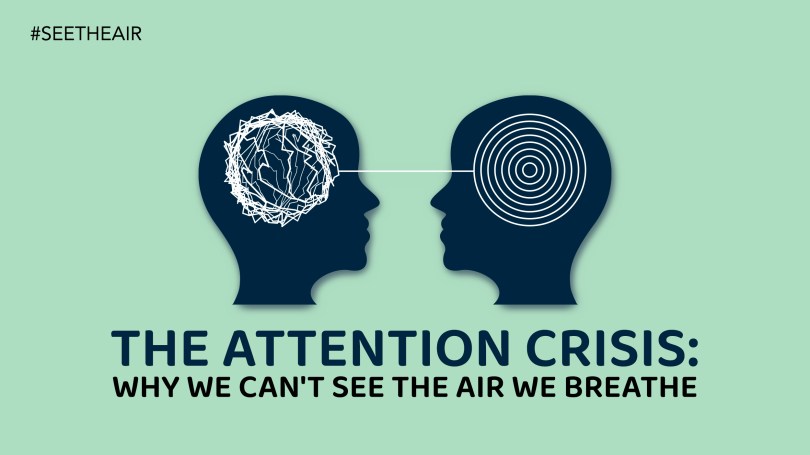
We are living in a deep crisis of attention, a diagnosis offered by social experts that has profound implications for our ability to solve the complex problems facing society today. This crisis stems from a confluence of factors – fear, loneliness, hyperstimulation, and constant distractions – all of which cripple our prefrontal cortex, the very part of the brain responsible for critical thinking, analysis, and problem-solving. Essentially, we’re so caught up in the noise that we can’t focus on the signal.
This attention deficit isn’t just a personal problem; it’s a societal one. Consider, for example, the pervasive issue of air pollution. While the scientific evidence of its detrimental effects on health and the environment is overwhelming, meaningful action remains frustratingly slow. Why? Because addressing air pollution requires precisely the kind of sustained, important thinking that our attention-deficit society struggles with.
The experts point out that to overcome any crisis, be it a pandemic or environmental catastrophe, we need very clever people who think very well, who are capable of analyzing the situation, who are capable of investigating, who agree with others and implement measures. All of these actions rely heavily on the prefrontal cortex. But when our attention is fractured, our brains become addicted to the irrelevant, shying away from depth and becoming polarized. This directly translates to our inability to tackle complex issues like air pollution.
The consequence of the overridden prefrontal cortex is that the brain becomes addicted to the irrelevant, runs away from depth and becomes polarized.
Think about it: discussing air pollution requires understanding complex scientific data, weighing economic considerations against health risks, and collaborating across political divides. It requires us to look beyond immediate gratification and consider long-term consequences. But our hyper-stimulated environment, filled with constant distractions and fueled by fear and loneliness, makes it difficult to engage with such complex issues. We’re more likely to be swayed by sensationalized headlines or short videos, easily digestible soundbites than to delve into the important realities of the problem.
The experts highlight the pervasive feeling of loneliness in modern society, explaining that social pain activates the same brain regions as physical pain. This loneliness, combined with the constant barrage of information and stimuli, overloads our brains, leaving us feeling overwhelmed and unable to focus. We’re bombarded with so much information that we become self-distracted, constantly reaching for our phones or seeking other forms of fleeting stimulation, even when we’re trying to concentrate. This makes it incredibly difficult to engage with complex issues like air pollution, which require sustained attention and thoughtful consideration.
A solution for this attention crisis is to “do just one thing and do it with heart.” This means focusing, connecting with others, and dedicating our time to them. It means resisting the urge to multitask and instead truly listening and empathizing. Only by reclaiming our attention can we hope to address the complex challenges, including air pollution, that threaten our collective well-being. Until then, we risk remaining trapped in a cycle of distraction, where the very crisis we face prevents us from finding a way out.
Finally, mounting evidence suggests a link between poor air quality, both indoor and outdoor, and both general mental health issues and specific mental disorders. Existing chronic conditions can also worsen due to poor air quality, increasing healthcare needs. Because children and adolescents appear particularly vulnerable to air pollution’s effects, more long-term studies are crucial to inform early preventative measures and policies. While particulate matter, including bioaerosols, is a suspected culprit, it’s part of a complex exposome shaped by factors like location, socioeconomic status, deprivation, and individual vulnerabilities. To develop effective prevention and mitigation strategies, we must address key knowledge gaps, especially considering the ever-shifting nature of air pollution sources. This evidence should drive collaborative, interdisciplinary action among researchers, practitioners, policymakers, industry, community groups, and advocates.
Discover more from See The Air
Subscribe to get the latest posts sent to your email.
 See The Air