The One Health Approach and the Treaty of Lisbon’s Competences

The Treaty of Lisbon frames the European Union’s ability to act, creating a structural conflict between its strict division of competences and the comprehensive, borderless nature of the One Health (OH) approach required for effective pandemic proactiveness.

The One Health Approach and the Treaty of Lisbon’s Competences

The European Union’s implementation of its proactive pandemic strategy through the One Health (OH) approach must navigate the Treaty of Lisbon’s (ToL) division of powers, primarily relying on two categories:

  1. Shared Competence (Article 4 TFEU): The OH strategy will be most robustly implemented by leveraging the EU’s power in Environmental policy. Since the OH model focuses on tackling environmental disruptors (like climate change and deforestation) that increase zoonotic risk, the EU can adopt binding, harmonizing acts in the environmental sphere. Similarly, its role in supporting the European Research Area and funding research into health threats falls under the shared competence of research, technological development, and space.
  2. Supporting Competence (Article 6 TFEU): The direct impact on human health protection and improvement is constrained by this category. The EU can only support, coordinate, or supplement Member State actions. While it can coordinate responses via bodies like Health Emergency Preparedness and Response (HERA), it cannot adopt legal acts that enforce a common, harmonized EU standard for healthcare practices or general public health laws across the bloc.
Read More »

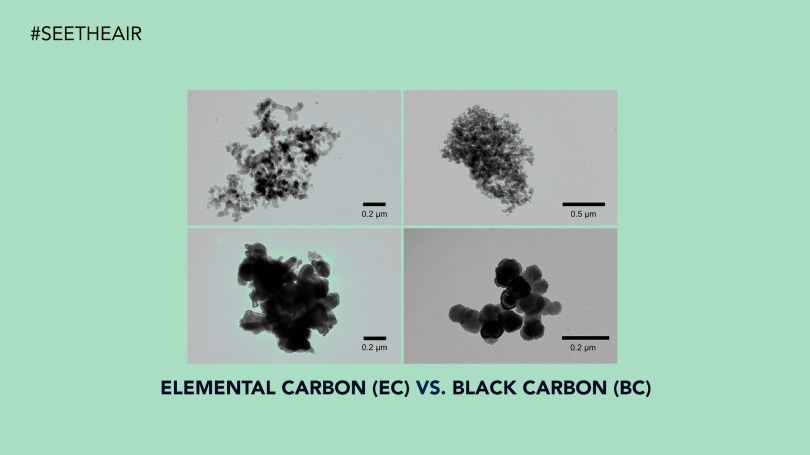
Elemental Carbon (EC) vs. Black Carbon (BC): A Distinction in Measurement and Terminology

The terms Elemental Carbon (EC) and Black Carbon (BC) are both used to describe the product of incomplete combustion of fossil fuels, biomass, and biofuels, which is a significant component of aerosols (airborne particulate matter). While often used interchangeably in general discussion, they represent distinct concepts primarily tied to their respective measurement methodologies. Understanding this difference is crucial in air quality monitoring, climate science, and health studies.

Elemental Carbon (EC): The Reference Method

Elemental Carbon (EC) is the term associated with the reference method for measuring this specific fraction of carbonaceous aerosol.

  • Measurement Method: EC is quantified using thermal-optical analysis. This technique relies on the sequential heating of a filter sample to different temperatures in different atmospheres (non-oxidizing and oxidizing) to distinguish carbon fractions.
  • Standard Protocol: The EN 16909 standard is a prominent European standard for the determination of EC (and Organic Carbon, OC) in ambient air, often employing the thermal-optical reference technique.
  • Specific Protocol: The EUSAAR_2 thermal protocol is a common, specific thermal-optical protocol used to define the temperature steps and atmospheres for the measurement.
  • Charring Correction: A critical part of the thermal-optical method is the charring correction, typically based on the transmittance (or reflectance) of a laser beam through the filter. This corrects for the formation of “pyrolyzed” or “charred” organic carbon during the heating process, which can otherwise be misclassified as EC.
  • Definition: Conceptually, EC represents the carbon in its pure, elemental form—the refractory, graphitic, or amorphous carbon that is the most stable at high temperatures.
Read More »

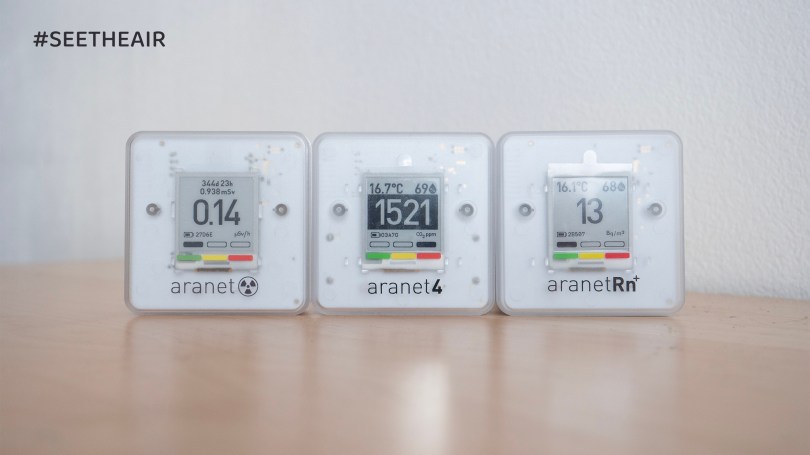
aranet: Comprehensive Environmental Monitoring for a Healthier Home

In an era where indoor air quality and environmental safety are of a high importance, aranet has emerged as one of the leaders in providing reliable and intuitive monitoring solutions. See The Air has thoroughly reviewed several of aranet’s innovative products, each designed to empower individuals with crucial insights into their living spaces. From carbon dioxide levels to radon gas and even radiation, aranet offers peace of mind through precise and accessible data.

Most aranet monitors stand out by providing a holistic view of your environment, often including temperature, relative humidity, and atmospheric pressure alongside their primary measurements. This multi-parameter approach helps users understand the interplay of various factors affecting their indoor comfort and health.

Read More »

The CO2 Debate: A Parallel to the Egg Dilemma

The discussion around carbon dioxide (CO2) in indoor air quality (IAQ) often brings up a fascinating parallel to another long-standing debate: the health effects of eggs.

The Indisputable Value (Eggs & CO2 as Proxies):

Just as eggs are widely recognized for their nutritional value – a powerhouse of protein, vitamins, and minerals – CO2 in IAQ assessment holds an undeniable, practical value. We know that CO2 levels are incredibly useful as a proxy. They effectively signal ventilation rates, which in turn are crucial indicators for the potential airborne transmission of diseases and the presence of odors indoors. In this sense, CO2 is a vital tool for understanding and managing our indoor environments, much like eggs are a staple in many healthy diets.

Read More »