Filtration Hour – Air Quality Governance

I am pleased to announce the World Filtration Institute (WFI) upcoming event, “Air Quality Governance,” a crucial discussion focused on the intersection of policy, technology, and public health.

This event will bring together leading experts, policymakers, and industry professionals to explore and discuss the latest advancements and strategies in air quality management.

Key Focus Areas:

  • Policy and Regulation: Examining current and future regulatory frameworks for air quality.
  • Technological Innovations: Showcasing cutting-edge filtration technologies and monitoring systems.
  • Public Health Impact: Analyzing the direct correlation between air quality and community well-being.
  • Sustainable Solutions: Promoting environmentally responsible practices in air filtration and management.

This event is designed to foster collaboration and knowledge sharing, aiming to drive impactful solutions for cleaner, healthier air globally. Attendees will have the opportunity to:

  • Engage with prominent figures in the air quality sector.
  • Gain insights into the latest research and best practices.
  • Network with professionals from diverse backgrounds.

Distinguished Speakers:

  • Sotirios Papathanasiou, Air Quality Expert, GO AQS (Spain)
  • R. Vijayakumar, PhD, Founder AERFIL, USA.
  • Andrew Guido​​​​Vice President, Sustainability & Innovation, Canada.
  • Stephanie Taylor, MD, CEO and Founder, Building4Health, USA
  • Thomas Peters, PhD, Director, Peters Consulting, Germany
  • 🌍Join Us at Filtration Hour!
  • 📅 Date: April 17, 2025
  • Time: 10:00 – 11:30 AM EST
  • 🎤 Topic: Air Quality Governance
  • 🔗 Register Now for Free.

For more information and to register, please visit: https://www.wfius.org/post/airqualitygovernance

About the World Filtration Institute (WFI):

The World Filtration Institute is a global non-profit organization dedicated to advancing the science, technology, and application of filtration and separation solutions. WFI fosters innovation, collaboration, and professional development to create a cleaner, healthier, and more sustainable world.

Tools for Navigating Global Air Quality Standards, and the Push for Universal Equity

The air we breathe is fundamental to life, yet the quality of that air varies drastically across the globe. Understanding the complexities of air quality standards (AQS) is crucial for policymakers, researchers, and concerned citizens alike. Thankfully, several invaluable tools exist to navigate this complex landscape.   

Two prominent resources stand out: the WHO’s Air Quality Standards tool and the STC34’s IEQ Guidelines platform.

The WHO’s Interactive Tool: A Global Overview

The World Health Organization (WHO) has developed a powerful interactive tool, accessible at https://worldhealthorg.shinyapps.io/Air_Quality_Standards_V2_1/, that allows users to explore ambient AQS from countries worldwide. This platform provides a user-friendly interface to compare standards for key pollutants such as particulate matter (PM2.5, PM10), ozone (O3), nitrogen dioxide (NO2), sulfur dioxide (SO2), and carbon monoxide (CO). Users can filter by country, pollutant, and averaging time, gaining a comprehensive understanding of the diverse regulatory approaches adopted globally.   

Read More »

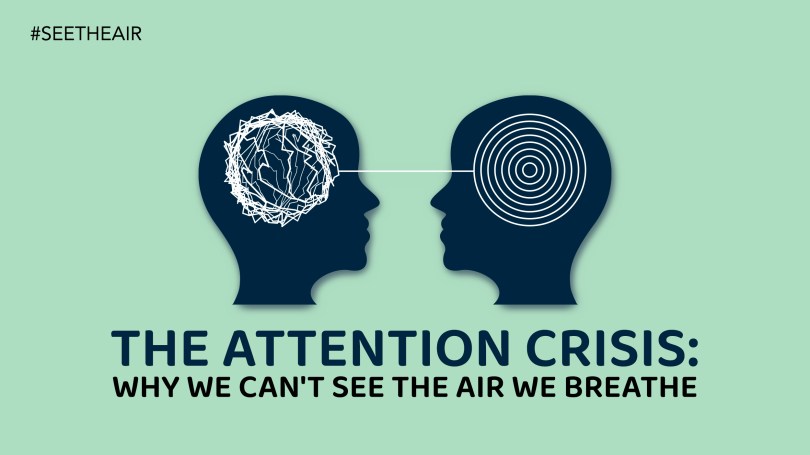
The Attention Crisis: Why We Can’t See the Air We Breathe

We are living in a deep crisis of attention, a diagnosis offered by social experts that has profound implications for our ability to solve the complex problems facing society today. This crisis stems from a confluence of factors – fear, loneliness, hyperstimulation, and constant distractions – all of which cripple our prefrontal cortex, the very part of the brain responsible for critical thinking, analysis, and problem-solving. Essentially, we’re so caught up in the noise that we can’t focus on the signal.

This attention deficit isn’t just a personal problem; it’s a societal one. Consider, for example, the pervasive issue of air pollution. While the scientific evidence of its detrimental effects on health and the environment is overwhelming, meaningful action remains frustratingly slow. Why? Because addressing air pollution requires precisely the kind of sustained, important thinking that our attention-deficit society struggles with.

Read More »

A DIY Ventilation Solution for Renters

Renting an apartment often means limited control over modifications, especially when it comes to essential systems like ventilation. Poor indoor air quality can significantly impact health and well-being, but drilling holes for traditional ventilation systems is usually out of the question. This article presents a simple, affordable DIY project using a standard air purifier to bring fresh, filtered air into your rented space without any permanent alterations.

The Problem: Stale Indoor Air and Renting Restrictions

Old apartments but also modern, energy-efficient apartments can sometimes suffer from poor ventilation, leading to a buildup of indoor pollutants like CO2, volatile organic compounds (VOCs), and particulate matter. While opening windows is a simple solution, it’s not always practical due to weather, noise, or outdoor air pollution. Renters often face the added challenge of not being allowed to make structural changes, ruling out traditional ventilation installations.   

The DIY Solution: Air Purifier Ventilation

This project uses a standard standalone air purifier in a novel way to introduce fresh, filtered outdoor air. The key components are:

  • A Standard Air Purifier: Choose one with a HEPA filter for particulate matter and a carbon filter for gases. Programmable models are highly recommended for automation.
  • Flexible Tubing and Window Adapter: These connect the air purifier’s intake to a slightly opened window. You can find suitable tubing and adapters at most hardware stores for around €15.
Read More »

Join the Global Open Air Quality Standards Initiative

The air we breathe is fundamental to our health and well-being, yet air quality, particularly indoors, remains a complex and often overlooked issue. Communicating this complexity to the public, ensuring consistent industry practices, and guaranteeing equitable access to clean air for everyone are critical challenges. That’s why we’re excited to invite you to join the Global Open Air Quality Standards (GO AQS) initiative.   

GO AQS is a collaborative effort aimed at developing and promoting universally recognized standards for indoor air quality. This open invitation extends to researchers, industry professionals, policymakers, and anyone passionate about ensuring healthy air for all. We believe that by working together, we can create a world where clean air is not a privilege, but a fundamental right.   

Why is Academia’s Support Crucial?

The academic community plays a vital role in the success of GO AQS. Your expertise and research are essential for establishing robust, science-backed standards. Here’s why your involvement is so important:

Read More »

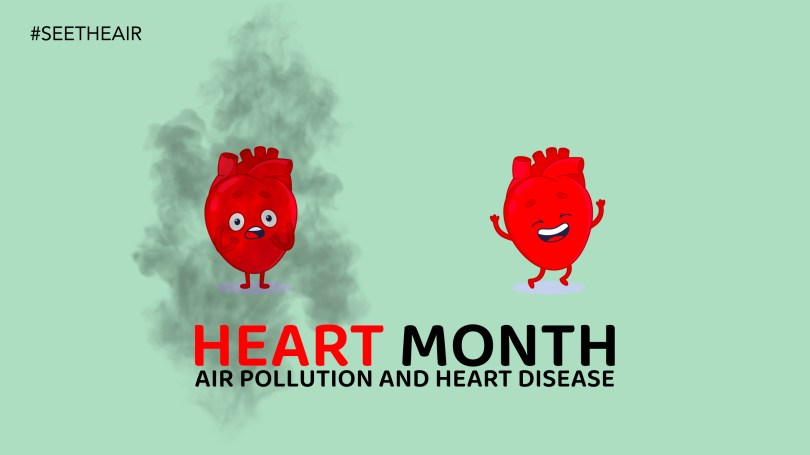
Heart Month: Understanding the Link Between Air Pollution and Heart Disease


February is American Heart Month and Saint Valentine’s Day, a good time to raise awareness about cardiovascular health. While many factors contribute to heart disease, air pollution is a significant and often overlooked risk factor.

The Link Between Air Pollution and Heart Disease

Air pollution is a complex mixture of gases and particulate matter, some of which are particularly harmful to human health. When we breathe in polluted air, these particles can enter our bloodstream and trigger a cascade of negative effects on the cardiovascular system.   

  • Inflammation: Air pollution can cause inflammation in the blood vessels, which can lead to plaque buildup and hardening of the arteries.   
  • Blood Clots: Exposure to air pollution can increase the risk of blood clots, which can lead to heart attacks and strokes.   
  • Arrhythmias: Air pollution can disrupt the electrical activity of the heart, leading to irregular heartbeats.   
  • Heart Failure: Long-term exposure to air pollution can weaken the heart muscle and contribute to heart failure.
Read More »

Book Review: “Indoor Air Quality in Buildings for Well-being: Practical Application Strategies”

A 2023 published book in Spanish, “Calidad del aire interior en los edificios para el bienestar: estrategias de aplicación práctica” (Indoor Air Quality in Buildings for Well-being: Practical Application Strategies), is poised to become an essential resource for improving indoor air quality globally. Authored by Miguel Ángel Campano, Jessica Fernández-Agüera, and Juan José Sendra, this comprehensive guide delves into the critical aspects of indoor air quality (IAQ) and offers practical strategies for creating healthier indoor environments.   

Relevance to Global Initiatives

While currently available in Spanish, this book’s content is highly relevant to international efforts such as the development of Global Open Air Quality Standards (GO AQS). The GO AQS initiative aims to establish universal benchmarks for air quality, and the book provides valuable insights and data that can orient the initiative.

Comprehensive Coverage of Key IAQ Factors

Read More »

Air Quality Data & Ownership

In an age where information is power, the question of who owns the data generated by air quality monitors and sensors has become increasingly important. This is especially true for air quality monitors that provide crucial insights into the air we breathe. While these devices offer valuable information, users should be aware of potential issues related to data ownership and accessibility.   

The Risks of Changing Terms and Closed Systems

In some cases, companies have sold air quality monitors with “unlimited” data storage, only to later change their terms of service and require users to pay for continued access to their own data. This bait-and-switch tactic leaves consumers feeling betrayed and exploited, as they are forced to pay for something they thought they already owned.

Read More »

Personal Exposure: Tracking Air Quality with Portable Monitors – 6 Months

This article documents my personal experiment tracking air quality exposure for 6 months using two portable, low-cost monitors: one for PM2.5 (particulate matter) and the other for CO2 (carbon dioxide). The experiment aimed to gain insights into personal exposure levels and understand the impact of lifestyle and environmental factors on air quality.

Read More »

Alveolar Sacs and Particulate Matter: A Deep Dive into Respiratory Health

The respiratory system is a complex network responsible for the vital exchange of oxygen (O2) and carbon dioxide (CO2). At the heart of this system lie the alveoli, tiny air sacs where this gas exchange occurs. However, these delicate structures are also vulnerable to the intrusion of harmful particles, which can have serious health consequences.   

The Journey of Inhaled Particles

When we breathe, we inhale a variety of particles, including dust, smoke pollutants, and pathogens. The size of these particles plays a crucial role in determining how far they travel into our respiratory system. Larger particles are typically trapped in the upper airways, while smaller ones can penetrate deeper into the lungs.   

Read More »