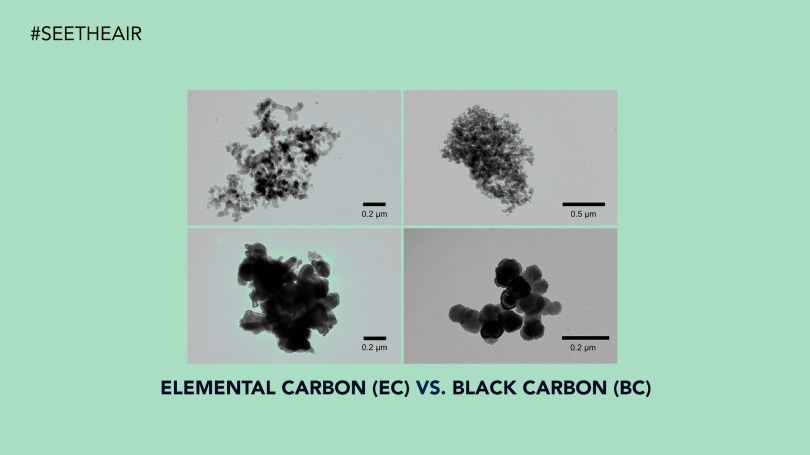
Elemental Carbon (EC) vs. Black Carbon (BC): A Distinction in Measurement and Terminology

The terms Elemental Carbon (EC) and Black Carbon (BC) are both used to describe the product of incomplete combustion of fossil fuels, biomass, and biofuels, which is a significant component of aerosols (airborne particulate matter). While often used interchangeably in general discussion, they represent distinct concepts primarily tied to their respective measurement methodologies. Understanding this difference is crucial in air quality monitoring, climate science, and health studies.

Elemental Carbon (EC): The Reference Method

Elemental Carbon (EC) is the term associated with the reference method for measuring this specific fraction of carbonaceous aerosol.

  • Measurement Method: EC is quantified using thermal-optical analysis. This technique relies on the sequential heating of a filter sample to different temperatures in different atmospheres (non-oxidizing and oxidizing) to distinguish carbon fractions.
  • Standard Protocol: The EN 16909 standard is a prominent European standard for the determination of EC (and Organic Carbon, OC) in ambient air, often employing the thermal-optical reference technique.
  • Specific Protocol: The EUSAAR_2 thermal protocol is a common, specific thermal-optical protocol used to define the temperature steps and atmospheres for the measurement.
  • Charring Correction: A critical part of the thermal-optical method is the charring correction, typically based on the transmittance (or reflectance) of a laser beam through the filter. This corrects for the formation of “pyrolyzed” or “charred” organic carbon during the heating process, which can otherwise be misclassified as EC.
  • Definition: Conceptually, EC represents the carbon in its pure, elemental form—the refractory, graphitic, or amorphous carbon that is the most stable at high temperatures.
Read More »

Unveiling Urban Health: The ISGlobal Ranking of Cities and its Healthy Urban Design Index (HUDI)

In an era where urban populations continue to swell, understanding the intricate relationship between city design and public health is fundamental. The Barcelona Institute for Global Health (ISGlobal) has emerged as a leading voice in this field with its “ISGlobal Ranking of Cities” and the innovative “Healthy Urban Design Index (HUDI).” This comprehensive tool sheds light on the health impacts of urban exposures like air pollution, noise pollution, and access to green spaces across nearly 1,000 European cities.

The ISGlobal Ranking of Cities is more than just a list; it’s a dynamic project aimed at quantifying the health burdens attributable to urban and transport planning. It evaluates various environmental exposures and their associated mortality, presenting cities from the highest to lowest mortality due to these factors. You can explore the tool directly on the ISGlobal Ranking of Cities website.

At the heart of this initiative is the Healthy Urban Design Index (HUDI). The HUDI is a composite score that meticulously assesses the extent to which the configuration of European cities supports the health and well-being of their inhabitants. It examines 13 key indicators across four domains: urban design, sustainable transport, environmental quality, and green space accessibility. These indicators include factors such as urban compactness, housing density, walking and cycling infrastructure, public transport availability, air pollution levels, capacity to mitigate heat, and accessibility of green spaces. Each city receives a score between 0 and 10 for each indicator, culminating in an overall HUDI score.

Read More »

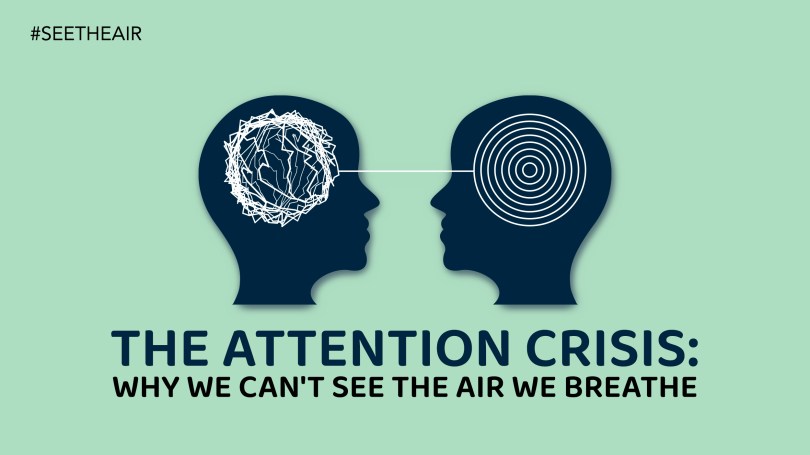
The Attention Crisis: Why We Can’t See the Air We Breathe

We are living in a deep crisis of attention, a diagnosis offered by social experts that has profound implications for our ability to solve the complex problems facing society today. This crisis stems from a confluence of factors – fear, loneliness, hyperstimulation, and constant distractions – all of which cripple our prefrontal cortex, the very part of the brain responsible for critical thinking, analysis, and problem-solving. Essentially, we’re so caught up in the noise that we can’t focus on the signal.

This attention deficit isn’t just a personal problem; it’s a societal one. Consider, for example, the pervasive issue of air pollution. While the scientific evidence of its detrimental effects on health and the environment is overwhelming, meaningful action remains frustratingly slow. Why? Because addressing air pollution requires precisely the kind of sustained, important thinking that our attention-deficit society struggles with.

Read More »

A DIY Ventilation Solution for Renters

Renting an apartment often means limited control over modifications, especially when it comes to essential systems like ventilation. Poor indoor air quality can significantly impact health and well-being, but drilling holes for traditional ventilation systems is usually out of the question. This article presents a simple, affordable DIY project using a standard air purifier to bring fresh, filtered air into your rented space without any permanent alterations.

The Problem: Stale Indoor Air and Renting Restrictions

Old apartments but also modern, energy-efficient apartments can sometimes suffer from poor ventilation, leading to a buildup of indoor pollutants like CO2, volatile organic compounds (VOCs), and particulate matter. While opening windows is a simple solution, it’s not always practical due to weather, noise, or outdoor air pollution. Renters often face the added challenge of not being allowed to make structural changes, ruling out traditional ventilation installations.   

The DIY Solution: Air Purifier Ventilation

This project uses a standard standalone air purifier in a novel way to introduce fresh, filtered outdoor air. The key components are:

  • A Standard Air Purifier: Choose one with a HEPA filter for particulate matter and a carbon filter for gases. Programmable models are highly recommended for automation.
  • Flexible Tubing and Window Adapter: These connect the air purifier’s intake to a slightly opened window. You can find suitable tubing and adapters at most hardware stores for around €15.
Read More »

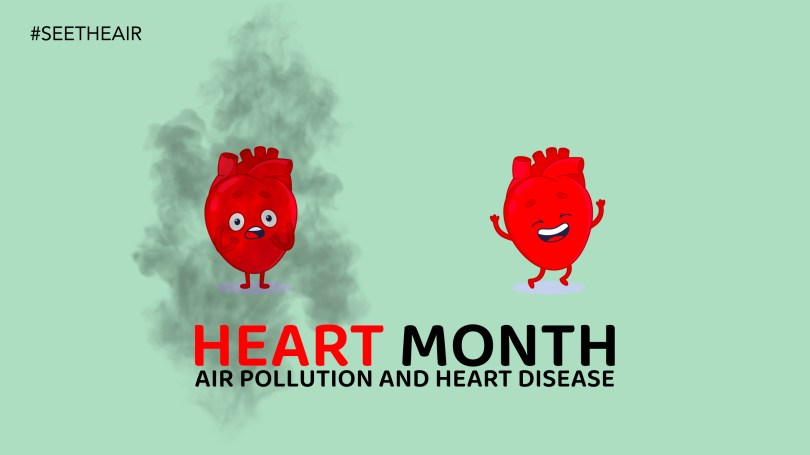
Heart Month: Understanding the Link Between Air Pollution and Heart Disease


February is American Heart Month and Saint Valentine’s Day, a good time to raise awareness about cardiovascular health. While many factors contribute to heart disease, air pollution is a significant and often overlooked risk factor.

The Link Between Air Pollution and Heart Disease

Air pollution is a complex mixture of gases and particulate matter, some of which are particularly harmful to human health. When we breathe in polluted air, these particles can enter our bloodstream and trigger a cascade of negative effects on the cardiovascular system.   

  • Inflammation: Air pollution can cause inflammation in the blood vessels, which can lead to plaque buildup and hardening of the arteries.   
  • Blood Clots: Exposure to air pollution can increase the risk of blood clots, which can lead to heart attacks and strokes.   
  • Arrhythmias: Air pollution can disrupt the electrical activity of the heart, leading to irregular heartbeats.   
  • Heart Failure: Long-term exposure to air pollution can weaken the heart muscle and contribute to heart failure.
Read More »

Personal Exposure: Tracking Air Quality with Portable Monitors – 6 Months

This article documents my personal experiment tracking air quality exposure for 6 months using two portable, low-cost monitors: one for PM2.5 (particulate matter) and the other for CO2 (carbon dioxide). The experiment aimed to gain insights into personal exposure levels and understand the impact of lifestyle and environmental factors on air quality.

Read More »

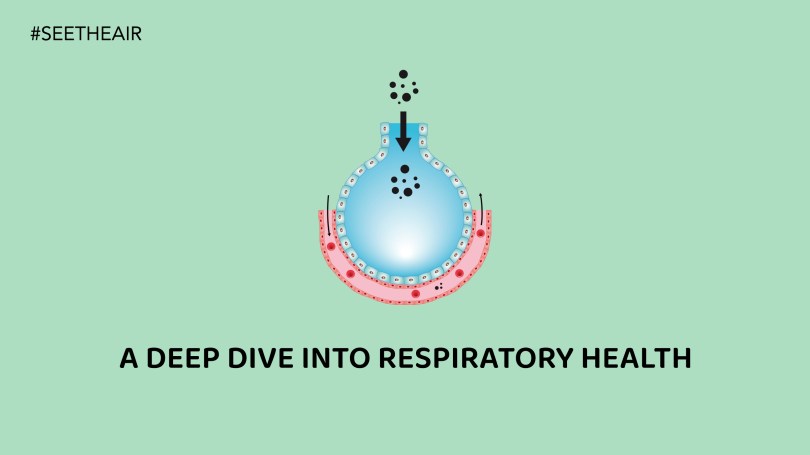
Alveolar Sacs and Particulate Matter: A Deep Dive into Respiratory Health

The respiratory system is a complex network responsible for the vital exchange of oxygen (O2) and carbon dioxide (CO2). At the heart of this system lie the alveoli, tiny air sacs where this gas exchange occurs. However, these delicate structures are also vulnerable to the intrusion of harmful particles, which can have serious health consequences.   

The Journey of Inhaled Particles

When we breathe, we inhale a variety of particles, including dust, smoke pollutants, and pathogens. The size of these particles plays a crucial role in determining how far they travel into our respiratory system. Larger particles are typically trapped in the upper airways, while smaller ones can penetrate deeper into the lungs.   

Read More »

Why Millions in India Breathe Toxic Air

Air pollution is a major health crisis in India. Millions of people in the country are exposed to unhealthy levels of air pollution every day. This is a serious problem that can lead to a variety of health problems, including respiratory diseases, heart disease, and even cancer.   

There are a number of reasons why air pollution is so bad in India. One reason is the large number of vehicles on the roads. India has a rapidly growing economy, and this has led to a surge in the number of cars, trucks, and motorcycles on the roads. These vehicles emit a lot of pollutants into the air.   

Another reason for air pollution in India is industrial activity. India is a major industrial power, and factories and other industrial facilities emit a lot of pollutants into the air.   

Finally, agricultural burning is also a major source of air pollution in India. Farmers often burn crop stubble after harvest, and this can create a thick haze of smoke that can linger for days.   

The Health Effects of Air Pollution

Air pollution can have a serious impact on human health. Short-term exposure to air pollution can cause respiratory problems, such as coughing, wheezing, and shortness of breath. Long-term exposure to air pollution can lead to more serious health problems, such as heart disease, stroke, lung cancer, and even death.   

Read More »

Carbon Monoxide: The Silent Killer Lurking Indoors

Carbon monoxide (CO), often referred to as the “silent killer,” is a colorless, odorless, and tasteless gas that can be deadly when inhaled in high concentrations. While it is often associated with outdoor air pollution, CO can also pose a significant risk within our homes and workplaces.

Furthermore, while carbon monoxide is often associated with acute poisoning, leading to immediate symptoms like headaches, dizziness, and nausea (hence we have CO alarms), it can also have long-term health consequences. Even exposure to low levels of CO over extended periods can cause damage to various organs and systems. Chronic CO exposure has been linked to chronic fatigue, memory problems, work difficulties, sleep disorders, dizziness, neurological disorders, paresthesia, recurrent infections, abdominal pain, and diarrhea 1, 2.

Read More »

AirDeveloppa: Breathe Easy and Earn Bitcoin While You’re At It

Air pollution got you down? Want to find places with clean air to escape to? Look no further than AirDeveloppa! This innovative web app tackles air quality concerns with a unique approach that benefits both users and businesses.

Finding Fresh Air, One Coffee Shop at a Time

AirDeveloppa’s core function is to help you locate indoor spots with good air quality. Participating businesses like cafes, gyms, and co-working spaces utilize the AirCheck Monitor, which constantly monitor PM2.5 levels and send that data directly to the app. With up-to-date info at your fingertips, you can easily find a breath of fresh air on even the smoggiest days. Currently only people in Thailand have access to this service but hopefully it will become worldwide available.

Read More »