The Silent Lifeline of IoT: Why Compression is the Future of Air Quality Monitoring

For years, the Internet of Things (IoT) conversation has been dominated by sensors, cloud platforms, and the flashier world of AI analytics. While AI remains the current “buzzword,” the reality is that millions of IoT devices are already quietly working in the background, providing the essential sensor data that powers our modern world. However, as these deployments mature and scale, a critical bottleneck has emerged: the cost and physical limits of data transmission.

In my experience with Air Quality Monitoring (AQM) solutions, I’ve seen this play out repeatedly. Projects often aim to transmit high-frequency, continuous air quality measurements over long distances, only to hit a wall. Whether it’s the strict payload size limits of LoRaWAN or the spiraling costs of high-frequency transmissions over LTE/NB-IoT, the “raw data” approach is no longer sustainable.

The Problem with “Raw” Transmission

Most IoT data, especially from air quality sensors, is highly structured and repetitive. Devices often transmit variations of the same environmental measurements over and over. Sending this information raw ignores a simple reality: transmission is expensive, not just in terms of data plans, but in battery life, maintenance, and long-term operational costs.

As the industry matures, we are seeing a shift in mindset. Compression is no longer just a low-level technical detail; it is becoming a foundational technology because it makes large-scale deployments sustainable.

Three Pillars of IoT Compression

Integrating lossless compression directly onto the device, rather than relying on the cloud, transforms it into a perpetual efficiency engine. This creates several vital second-order effects:

  • System Resilience: Fewer transmissions lead to less network congestion and fewer collision points. This reduces “chatter” and makes systems like city-wide AQM grids significantly more reliable.
  • Extended Battery Life: Radio transmissions are the primary power drain for most IoT devices. By reducing how often a device needs to “speak,” we can extend battery life dramatically, reducing the need for expensive “truck rolls” to replace batteries in the field.
  • Enhanced Data Quality: Paradoxically, compression allows you to collect more data. By transmitting more intelligently, devices can sample at higher frequencies to capture micro-events and short-lived anomalies that would otherwise be lost due to bandwidth constraints.

Real-World Efficiency: The Up-to 87% Reduction

The potential for this technology is best illustrated by modern encoders capable of high-ratio reduction. For instance, testing with 50 timeseries payloads (32 bytes each) shows a raw size of 1600 bytes being compressed down to just 202 bytes—an 87.4% reduction (Source: Zetako Lab Demo Tool). This level of efficiency allows for high-granularity monitoring even on restricted protocols like LoRaWAN.

MetricRaw DataCompressed Data
Payload Size1600 Bytes202 Bytes
Reduction0%87.4%
IntegrityN/ASHA256 Verified

Conclusion

The future of IoT won’t be defined by who collects the most raw data, but by who uses fewer resources to learn more. In critical infrastructure like healthcare, transportation, and air quality monitoring, these efficiency choices compound.

Compression is no longer just a “feature”, it is a lifeline. Without it, IoT cannot scale sustainably to meet the demands of our data-driven future.

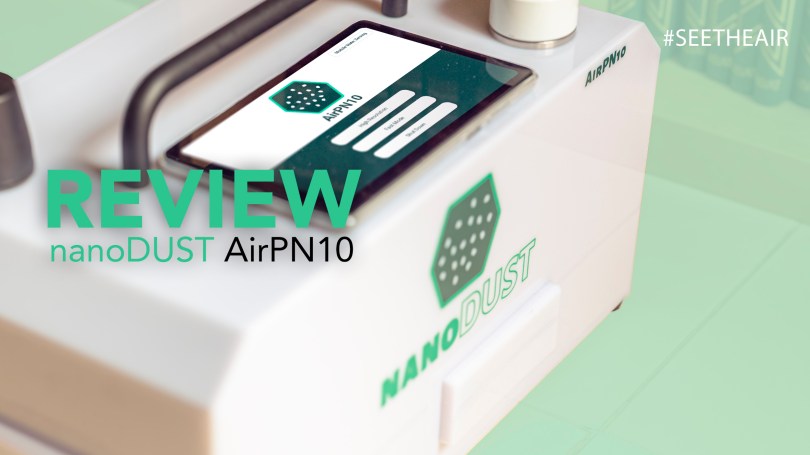
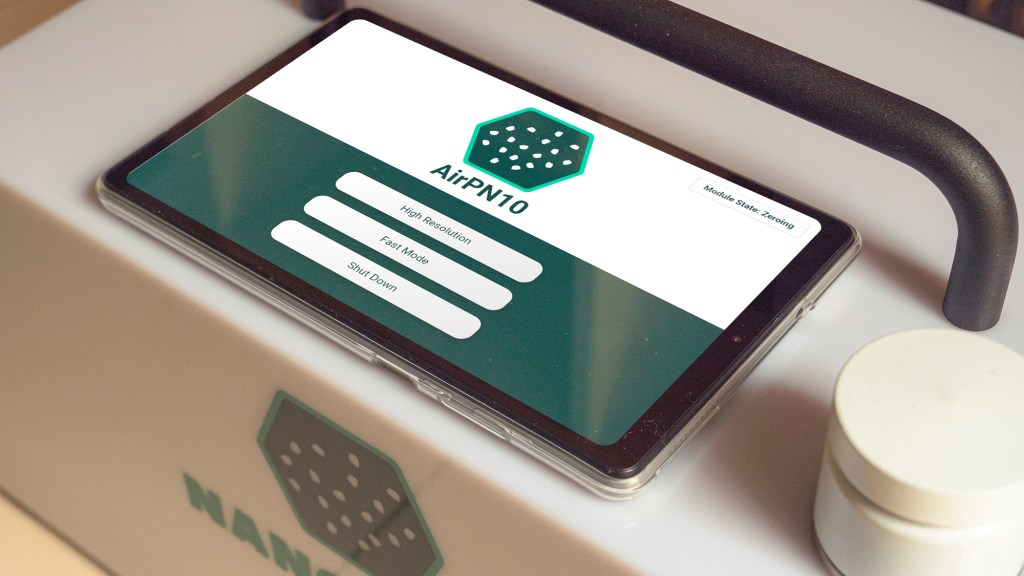
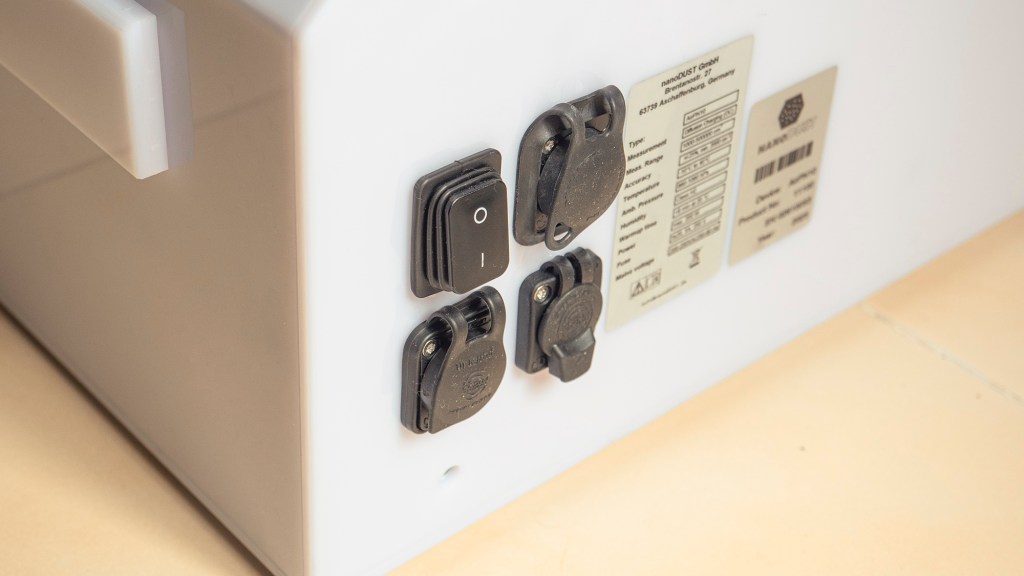
Field Review: nanoDUST AirPN10 — The Next Generation of Nanoparticle Monitoring

The landscape of air quality monitoring is shifting. For years, the focus remained on PM2.5 and PM10 (mass concentration), but we are increasingly realizing that the most dangerous threats are the ones we can’t weigh. Ultrafine particles (UFPs), or nanoparticles, are so small they penetrate deep into the bloodstream, yet they often escape traditional sensors and regulatory implementations.

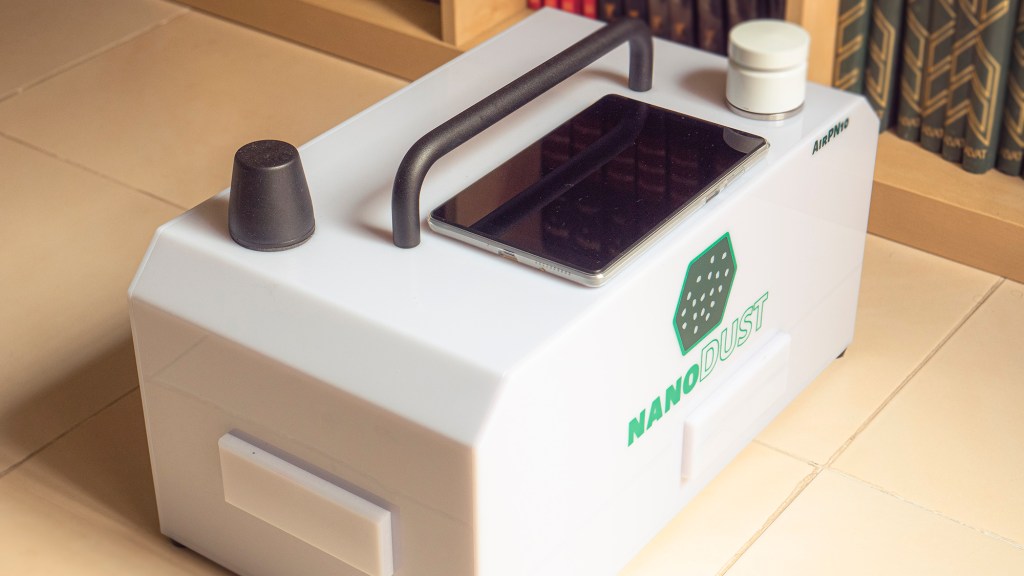
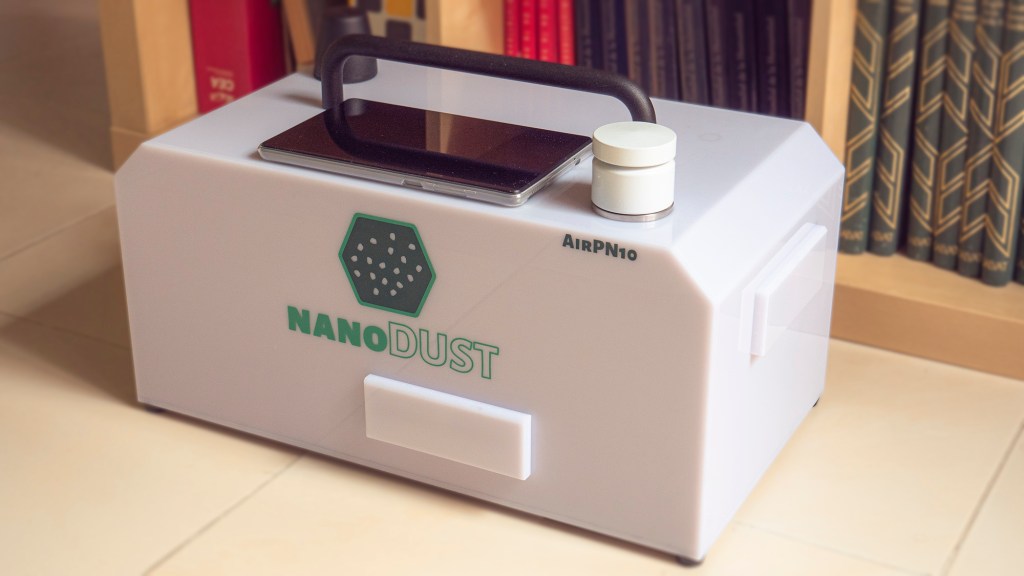
Enter the nanoDUST AirPN10. Designed as a “Plug & Play” solution for monitoring these invisible threats, it promises to bring lab-grade accuracy to the field without the logistical headaches of traditional counters.

Technical Specifications

The nanoDUST AirPN10 is built for high-precision air monitoring. Its standout feature is its independence from working fluids, unlike Condensation Particle Counters (CPC) that require constant refills of butanol or water.

  • Measurement Range: 1,000 to 500,000 particles/cm³
  • Lower Detection Limit: D50 at 10 nm
  • Technology: Advanced Diffusion Charging (ADC)
  • Aerosol Handling: Integrated Aerosol Switching Technology (AST) for solid vs. volatile separation.
  • Weight: ∼9 kg
  • Connectivity: LTE (Cloud), LAN (Ethernet), and USB.
  • Durability: Weatherproofed for outdoor use (when not using the rear USB port).
  • Power Consumption: Typically <100 W
  • Ingress Protection: IP55 Weatherproof
  • Sample Inlet: PM10 Sampling Head
  • Calibration Aerosol: Soot
Read More »

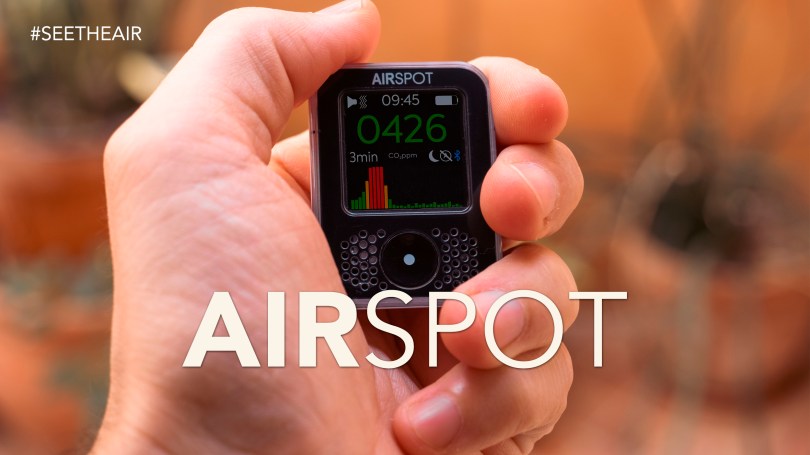
AirSpot Review: The Wearable CO2 Monitor That Delivers Real-Time Clarity

The world of air quality monitoring has long been dominated by bulky, desk-bound units. The AirSpot, a revolutionary small CO2 monitor, shatters that paradigm. Given to me by the CEO of The Safer Air Project, this device is not just a monitor—it’s a truly wearable environmental sensor that brings crucial air quality data right to your wrist or backpack.

Design, Portability, and Hardware

The AirSpot’s most immediate selling point is its diminutive size and featherlight weight. Measuring a mere 3.6cm x 4.8cm x 1.15cm and weighing only 17g (0.6 ounces), it is, to my recollection, the smallest CO2 monitor currently available. This size isn’t just a gimmick; it’s the foundation of its usability.

The device’s true genius lies in its ecosystem of accessories. AirSpot is unique in offering a wide range of mounting options, including a wristband that makes it genuinely wearable. I personally prefer the carabiner-style key ring case, which allowed me to easily clip it onto my backpack or belt—perfect for on-the-go monitoring.

Read More »

Review: AirGradient Open Air

Having had the opportunity to get the AirGradient Open Air (Model O-1PST) at the ASIC 2025 conference in Thailand, complete with its unique engraving, I’ve spent some time with this device, and it’s clear that AirGradient is pushing the boundaries of accessible and reliable outdoor air quality monitoring. This device presents a compelling alternative to existing solutions, particularly for those seeking transparency and robust performance.

Technical Specifications O-1PST

  • WiFi 2.4GHz IEEE 802.11 b/g/n-compliant
  • Bluetooth LE: Bluetooth 5, Bluetooth mesh
  • Status LED
  • Plantower PMS5003T for PM2.5 + ENS210 for T/RH
  • SenseAir S8/S88 CO2 NDIR Sensor
  • Sensirion SGP41 TVOC/NOX Module
  • Enclosure: ASA Plastic, UV Resistant and Weather Proof
  • Mounting Options: Wall or pole mounting options
  • 4m USB-C to USB-A Cable
  • USB-C Power Connector 2A/5V
  • Certifications: CE, RoHS, REACH, FCC

Sensor Selection: A Thoughtful Approach

The Open Air features a well-considered suite of sensors designed for accurate and insightful data. For PM2.5 measurements, it utilizes the Plantower PMS5003T, a sensor known for its reliability and found in other popular monitors like the PurpleAir (though it’s important to note the PMS5003T is a similar but not identical variant).

Read More »

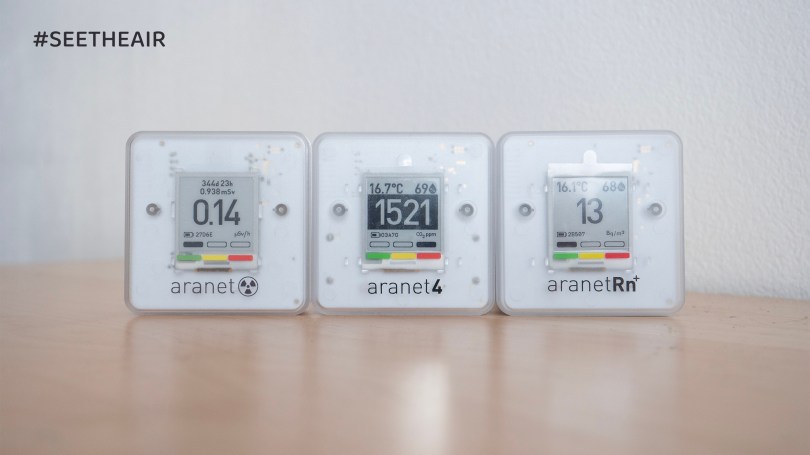
aranet: Comprehensive Environmental Monitoring for a Healthier Home

In an era where indoor air quality and environmental safety are of a high importance, aranet has emerged as one of the leaders in providing reliable and intuitive monitoring solutions. See The Air has thoroughly reviewed several of aranet’s innovative products, each designed to empower individuals with crucial insights into their living spaces. From carbon dioxide levels to radon gas and even radiation, aranet offers peace of mind through precise and accessible data.

Most aranet monitors stand out by providing a holistic view of your environment, often including temperature, relative humidity, and atmospheric pressure alongside their primary measurements. This multi-parameter approach helps users understand the interplay of various factors affecting their indoor comfort and health.

Read More »

Latvia’s Model for Healthy Learning: The MESH Air Quality Project

Latvia has successfully deployed 14,000 CO2 monitors in hundreds of schools, ensuring safer and healthier learning environments for students and teachers. This nationwide initiative, launched by the Ministry of Education and Science of Latvia and implemented by the technology company MESH, addresses concerns about elevated CO₂ levels, which can contribute to the transmission of pathogens and affect concentration. Such successful projects should serve as a blueprint for others aiming to improve indoor air quality and efficiency in public buildings. The data collected from these monitors is freely accessible to the public via the website https://co2.mesh.lv/home/dashboard, providing transparency and peace of mind for parents.

The project, which involved an initial investment of €3.58M, translates to an approximate cost of 12 euros per student. This cost-effective solution was designed to significantly improve cognitive abilities and health, as well as air quality, for 300,000 children across Latvian schools. Even without adding heating control, facility managers were able to optimize energy use by simply analyzing temperature trends available online – leading to smarter manual adjustments and early savings in several municipalities. Following the project, some municipalities further developed the system by integrating automatic regulation of heat nodes, and in one case, the investment was fully recouped within a single heating season.

Read More »

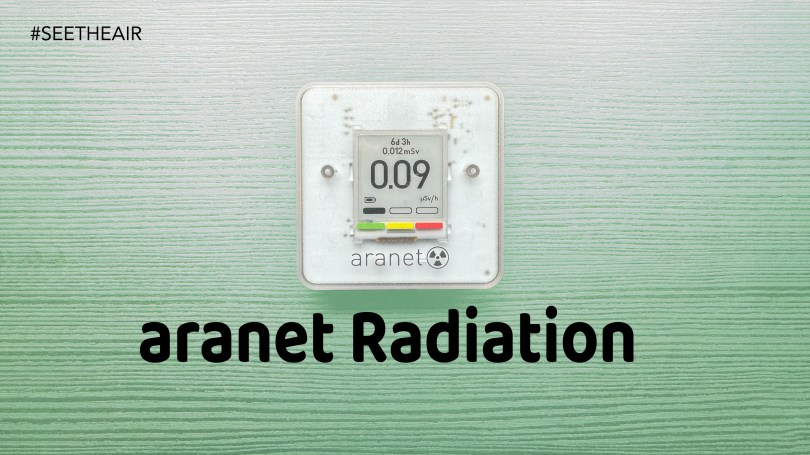
Review: aranet Radiation ☢️

The aranet Radiation tackles a whole new frontier: personal radiation safety. This device promises to empower you by monitoring gamma (γ), beta (β), and x-ray levels, giving you insights into your environment’s radiation for years.

Pros:

  • Peace of Mind: Being aware of radiation levels can be a major stress reliever, especially in areas where radiation concerns might exist like near nuclear power plants.
  • Long-Term Tracking: With a two-year data tracking capability, the Aranet Radiation allows you to identify trends and build a picture of your overall radiation exposure.
  • Battery Life: Aranet devices are known for their impressive battery life, and the Radiation model is likely to follow suit.
Read More »

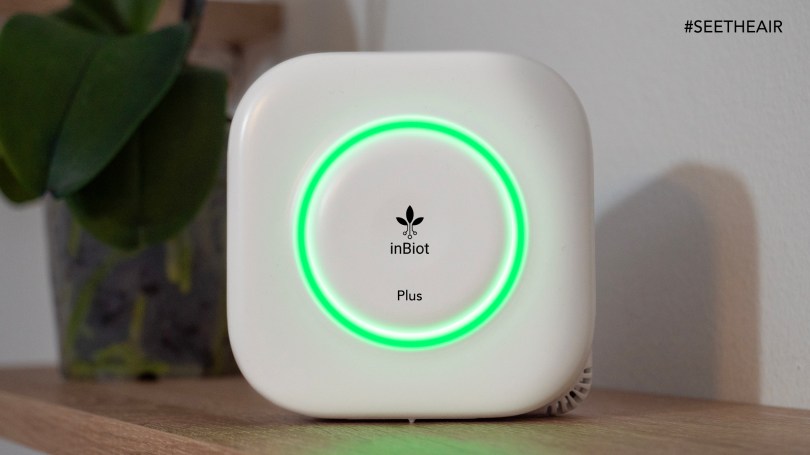
Review: InBiot Mica Plus – A Comprehensive IAQ Solution for Green Buildings and Beyond

The inBiot Mica Plus is a robust indoor air quality monitor designed squarely for the B2B market, catering specifically to buildings aiming for top-tier Indoor Environmental Quality (IEQ) and compliance with stringent green building certifications like WELL, RESET, and LEED. With a promised 10-year lifespan and minimal maintenance thanks to automatic calibration, the Mica Plus is a compelling long-term investment.

Equipped with a comprehensive sensor suite including Temperature, Relative Humidity, CO₂, TVOC, Particulate Matter, and Formaldehyde, the Mica Plus provides a detailed picture of indoor air conditions. Its connectivity options are equally impressive, spanning basic Wi-Fi to advanced protocols like Power over Ethernet (PoE), LoRaWAN, Sigfox, NB-IoT/LTE-M, and local communication options such as Modbus RTU/TCP/IP, API, BACnet, and MQTT, ensuring seamless integration into existing building management systems.

Read More »

Review: µCritAir Development Kit – Gamifying Our Way to Better Indoor Air

For years, I’ve been advocating for the integration of gamification into everyday tools to drive meaningful behavioral change, especially concerning something as vital yet often invisible as indoor air quality. We need engaging ways to keep people motivated to understand and improve their environments. So, when I encountered the µCritAir (it actually found me), I was immediately intrigued. This isn’t just another air quality monitor; it’s an experiment in engagement, using a digital pet – a µCritter – whose health depends directly on the air you breathe. Keep your air clean, and your critter thrives. Let it worsen, and its health suffers. It’s a compelling, tangible connection between data and consequence.

Development Kit

It’s important to set expectations correctly: the µCritAir is currently available as a Development Kit. This isn’t a polished, mass-market product yet. Instead, it’s aimed squarely at enthusiasts, early adopters, and tinkerers who enjoy being part of the development journey. Yes, this means you’ll encounter some unpolished aspects, perhaps a bug here or there, or features still under active development. However, this is also its strength for the right audience. The team behind µCritAir is clearly passionate and actively working on both software and hardware improvements. They genuinely value the feedback from their early users, creating a collaborative dynamic that’s exciting to be a part of.

Read More »

Review: aranetRn+ – A Deep Dive into Radon Awareness

Aranet has carved a niche for itself in the air quality monitoring space, establishing a distinct design language that prioritizes clarity and functionality. The aranet4, their popular CO2 monitor, set the stage with its minimalist aesthetic and intuitive e-ink display. The aranetRn+ builds upon this foundation, tackling the complex issue of radon monitoring while staying true to aranet’s core principles.

The aranetRn+ maintains the familiar clean lines and robust build quality associated with aranet products. However, the nature of radon detection necessitates a deeper profile. The device houses a α-decay event detection using ionization chamber, which contributes to its increased depth. While slightly bulkier, the aranetRn+ remains a discreet and unobtrusive addition to any home.

Read More »