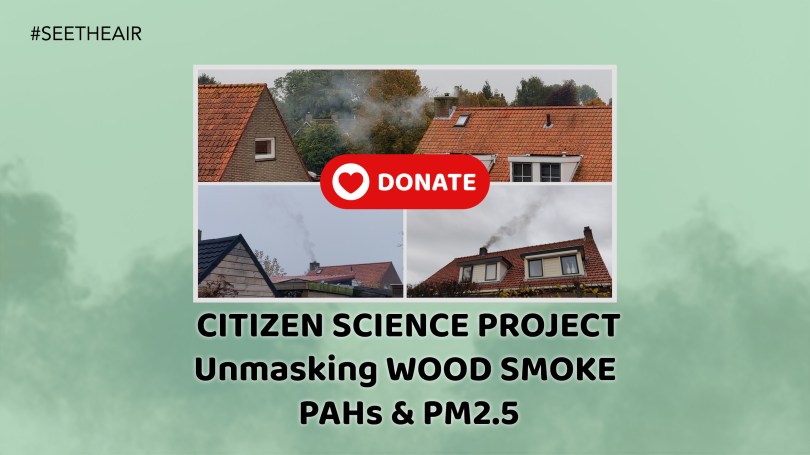
Help Us Breathe Cleaner Air: Citizen Science Project Seeks Donations for Wood Smoke Research

I won’t write a long introduction because this is of urgent matter for people to understand and support. While wood-burning stoves offer a tempting escape from soaring energy costs, they also release harmful substances into our homes and communities. These include fine particulate matter (PM2.5) and Polycyclic Aromatic Hydrocarbons (PAHs), both of which have been linked to serious health issues, including cancer.

Unveiling the Hidden Danger

Despite the known risks, we still lack sufficient data on PAHs concentrations in residential areas where wood burning is common. The location of investigation will be chosen in the Netherlands or Belgium. This is where your help is crucial.

By supporting this citizen science project, you’ll help us gather vital information about the impact of wood smoke on our air quality. The project will measure PAHs and PM2.5 levels in a residential area heavily reliant on wood burning for heating. This data will be invaluable for raising awareness among policymakers and advocating for stronger air quality regulations.

How Your Donation Makes a Difference

Analyzing air for PAHs is a complex process requiring specialized equipment and laboratory analysis. With your support, the project will:

  • Purchase air pumps and ten (10) absorption tubes to collect air samples.
  • Conduct laboratory analysis to identify and quantify PAHs.
  • Measure PM2.5 levels using advanced sensors.
  • Compare PAHs levels in wood-burning areas to background levels.

Join the Fight for Clean Air

Your donation will directly contribute to a healthier community. Together, we can uncover the hidden dangers of wood smoke and work towards cleaner air for everyone. Finally, I want to thank Dieter Pientka for his passion to investigate this crucial subject.

Help us make a difference. Donate today!

Hacking the Herd: How Social Norms Can Inspire You (and Everyone Else) to Change

Social norms are like unwritten rules that a group of people follow. They’re the guidelines for how we behave in certain situations, and they help keep things running smoothly. Social norms are still a powerful tool for inspiring behavior change for a few reasons:

  • Leveraging the Desire to Belong: People are social creatures with a natural desire to fit in with their groups. Social norms highlight what behaviors are expected and accepted, nudging people to conform to avoid social disapproval.
  • Focus on Prevalence: Social norms campaigns can emphasize that the desired behavior is actually more common than people think. This can counteract the feeling of being alone in adopting a new behavior.
  • Positive Reinforcement: Seeing others engage in the positive behavior can provide encouragement and a sense of community around the change.

Here’s how social norms can be applied to air pollution:

  • Highlighting Eco-Friendly Choices: Campaigns can showcase people using public transport, carpooling, or opting for sustainable products. This reframes these actions as the norm, making them more likely to be adopted by others.
  • Community Recognition: Programs that recognize individuals or businesses for their efforts to reduce air pollution can create positive social pressure and inspire others to follow suit.
  • Countering Misconceptions: Social norms campaigns can address the misconception that individual actions don’t make a difference. By highlighting the collective impact of many small changes, they can motivate people to take action.

For example, a campaign might feature a slogan like “Most people in our community use heat pumps – Join the Movement for Cleaner Air!” This approach uses social norms (descriptive norm – what people actually do) to encourage alternative heating to wood burning stoves (desired behavior).

By framing eco-friendly behaviors as the social norm, communities can create a more sustainable environment and improve air quality for everyone.

Ventilation Challenges and Pathogen Spread in High-Polluted Environments

Indoor air quality (IAQ) is a crucial aspect of human health and well-being. However, achieving adequate ventilation in homes and other indoor spaces can be challenging, particularly when outdoor air pollution levels are elevated due to smoke from wood-burning stoves. This article explores why poor ventilation in polluted environments poses a heightened risk of pathogen spread.

Factors Hindering Ventilation in Polluted Environments

Wood-burning stoves, used for heating and cooking, release particulate matter (PM), nitrogen oxides (NOx), and carbon monoxide (CO) into the atmosphere. These pollutants can accumulate in extended areas, especially under certain weather conditions. Normally, warm air rising from the ground carries pollution upwards, dispersing it into the atmosphere. However, during the winter, a warm layer of air can settle over a city like a lid, trapping cold air and pollutants near the ground. This phenomenon, known as a thermal inversion, occurs when a warm air mass above restricts the upward movement of cold, denser air, trapping it along with pollutants close to the surface. Thermal inversions are particularly prevalent in cities like Los Angeles, Mumbai, Granada, and Mexico City, where cold, dense air gets confined within mountain basins or valleys.

Read More »

Cozy Fireplaces, Clouded Lungs: Why Wood Burning Stoves are a Holiday Health Hazard

The holidays conjure up images of crackling fires, warm hearths, and cozy evenings. But for many, especially those living in communities with widespread wood burning, this idyllic picture masks a grim reality: a significant decline in indoor and outdoor air quality. Wood burning stoves, while charming and nostalgic, are a major contributor to indoor and outdoor air pollution, posing serious health risks to both the occupants of the house and the surrounding community.

Indoor Air: A Smoky Trap

Burning wood releases a cocktail of harmful pollutants, including fine particulate matter (PM2.5), carbon monoxide, nitrogen oxides, and volatile organic compounds (VOCs). These microscopic particles can easily infiltrate the lungs and bloodstream, causing a range of health problems:

Read More »

Wood Burning Patterns!

I live in an area where wood burning is an unfortunate “cozy” habit for the people around me. So, I decided to see if patterns appear after monitoring the ambient air quality for 30 days in order to identify if there is any window that will allow me to open the windows and get some fresh & clean air. For the sake of simplicity, I will use only PM2.5 values.

I don’t mind if I have to wake up at 3:00 AM in order to allow some outdoor air to come inside and dilute some VOC and CO2 that build up. Indoors, PM2.5 concentrations are kept well under 5μg/m3 because I run the air purifiers 24/7. By the way in a recent, poster the position of the air purifier inside the house plays an important role in how well particles are captured.

Anyway, let’s jump into the data I collected and analyzed.

Read More »

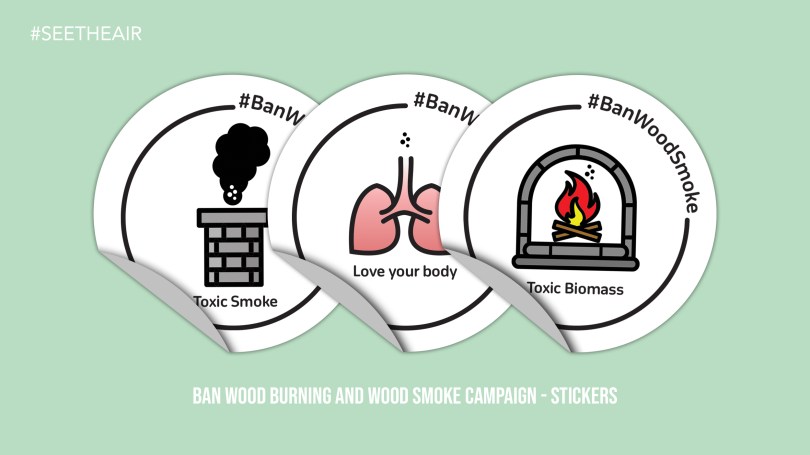
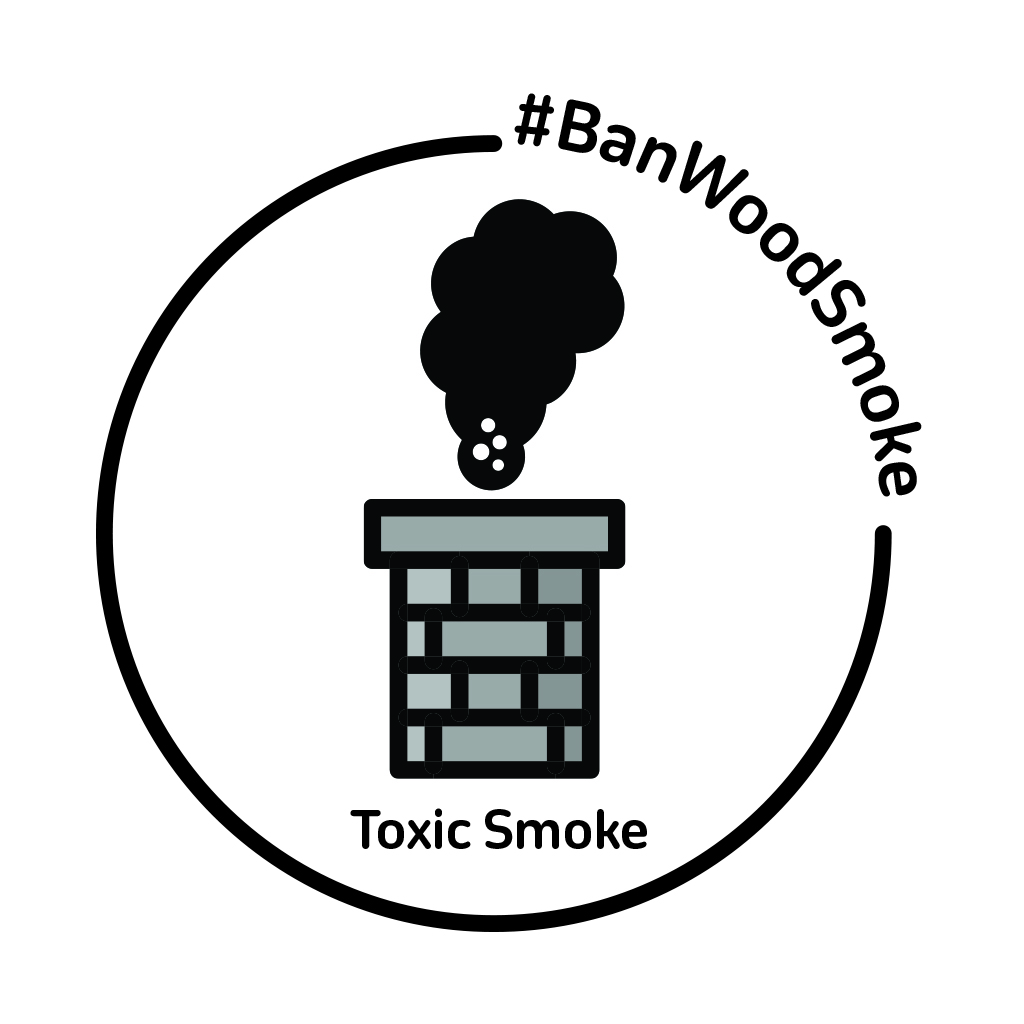
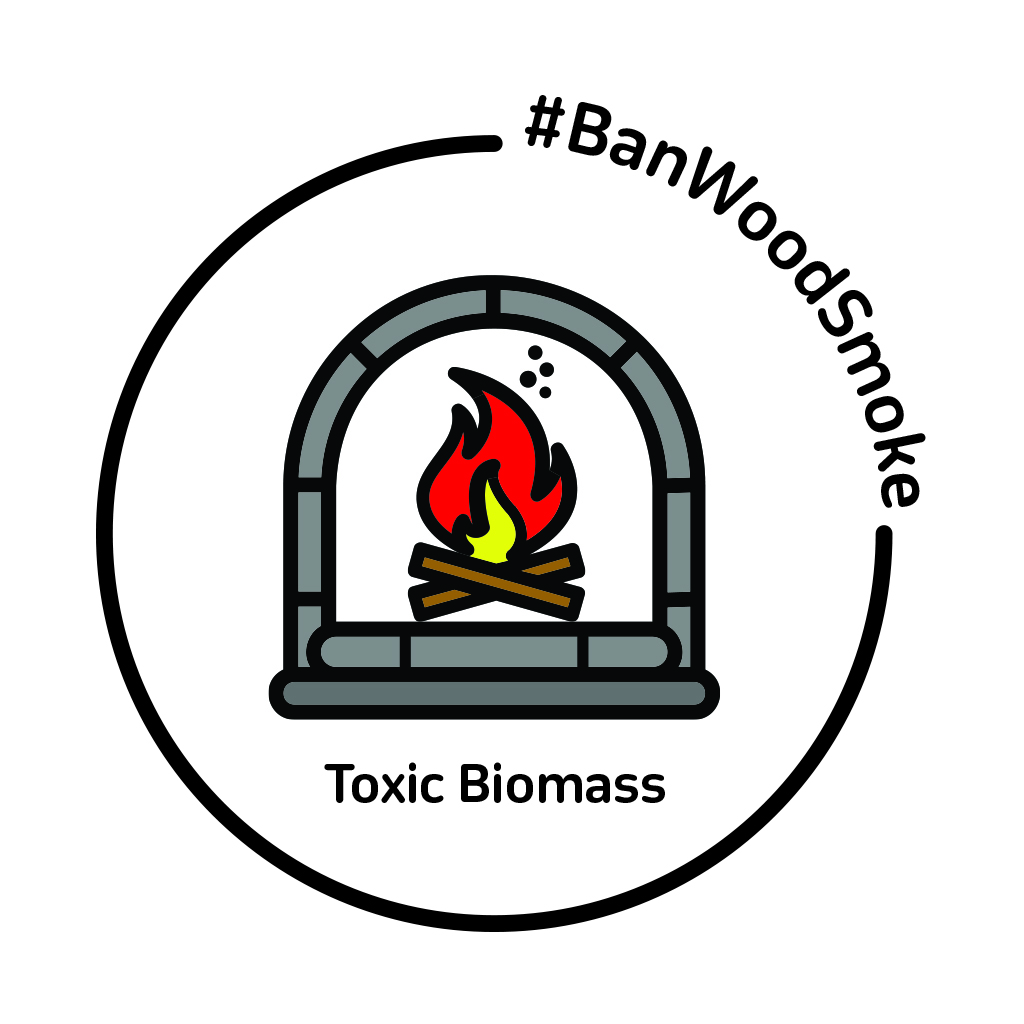
Ban Wood Smoke – Stickers

In my effort to help clean air communities to raise awareness (I am not only words), I decided to design three simple circular stickers which I will distribute to the communities once the poll is closed and you have selected the best sticker.

Choose one between the three of them and apply to get stickers once the poll is closed. You can apply for the winning sticker via the contact page. Thank you!

Read More »

Op-ed: Wood-Burning Season is ON and the Zombies return!

Although some people claim that the wood-burning season doesn’t exist anymore because people never stop burning stuff (and this is true in some regions), the vast majority of the population can’t wait for cold weather to arrive in order to light the “cozy” wood stoves and unconsciously chock the village with toxic smoke.

Yes, wood-stoves even the ECO friendly or low-emissions or EPA certified or you name it, are huge polluters! They emit lots of particulate matter (commonly known as PM2.5) and a huge array of toxic chemicals that sometimes linger in the air for many days. Air pollution kills 13 people every minute worldwide and scientists at Harvard University found that dwellers who live in polluted areas are 15% more likely to die from COVID-19 than those who do not!

The atmospheric conditions and the geographical location of a village or city work in a complex way sometimes in favor of the dwellers but most of the time against the dwellers. When a city is surrounded by hills and mountains air pollution tends to stay there for a long time, like in Murcia, Spain. In that case, people’s lungs work as purifiers and trap all the pollutants, as a result, we have more hospital admissions and more chances to suffer severe health effects due to the air pollution which is deposed inside our bodies. The cost to maintain public health also increases.

By comparison, wood smoke from stoves and boilers carries the highest concentration across all pollutants. One eco-certified wood stove is rated at 3.1grams/h of particulate matter which is equal to six heavy-duty lorries which are rated at 0.5grams/h of particulate matter each.

Read More »

Report: Air Quality Results from my 4000 km Road Trip – I was surprised by the PM2.5 concentrations

In August 2021 (summer in Northern Hemisphere), I travelled from Spain to Greece in order to visit my parents as I hadn’t see them for a long time due to the pandemic. I visited 10 countries and I evaluated the air quality with a portable air quality monitor (Atmotube PRO) but as well as the behavior of the people in these countries as they tend to have different customs when it comes to cooking or transporting around the cities.

This evaluation is very narrow because of the fact that I didn’t stay longer than a day or two in each city so take it with a pinch of salt. Also, the climatological conditions were entangled to the summer month of August and high temperatures were expected in the Mediterranean coastline. Wildfires are more likely to occur during the dry month of August and indeed I witnessed a few in the Balkans.

Read More »