Having had the opportunity to get the AirGradient Open Air (Model O-1PST) at the ASIC 2025 conference in Thailand, complete with its unique engraving, I’ve spent some time with this device, and it’s clear that AirGradient is pushing the boundaries of accessible and reliable outdoor air quality monitoring. This device presents a compelling alternative to existing solutions, particularly for those seeking transparency and robust performance.
Technical Specifications O-1PST
- WiFi 2.4GHz IEEE 802.11 b/g/n-compliant
- Bluetooth LE: Bluetooth 5, Bluetooth mesh
- Status LED
- Plantower PMS5003T for PM2.5 + ENS210 for T/RH
- SenseAir S8/S88 CO2 NDIR Sensor
- Sensirion SGP41 TVOC/NOX Module
- Enclosure: ASA Plastic, UV Resistant and Weather Proof
- Mounting Options: Wall or pole mounting options
- 4m USB-C to USB-A Cable
- USB-C Power Connector 2A/5V
- Certifications: CE, RoHS, REACH, FCC
Sensor Selection: A Thoughtful Approach
The Open Air features a well-considered suite of sensors designed for accurate and insightful data. For PM2.5 measurements, it utilizes the Plantower PMS5003T, a sensor known for its reliability and found in other popular monitors like the PurpleAir (though it’s important to note the PMS5003T is a similar but not identical variant).
CO2 measurements are handled by the SenseAir S8/S88 (NDIR), a high-quality non-dispersive infrared sensor, which is crucial for understanding localized emission sources outdoors, despite CO2 being more commonly associated with indoor air quality and ventilation. The inclusion of the Sensirion SGP41 for TVOC and NOx trend measurements adds another layer of environmental insight, allowing users to track potential gaseous pollutants.
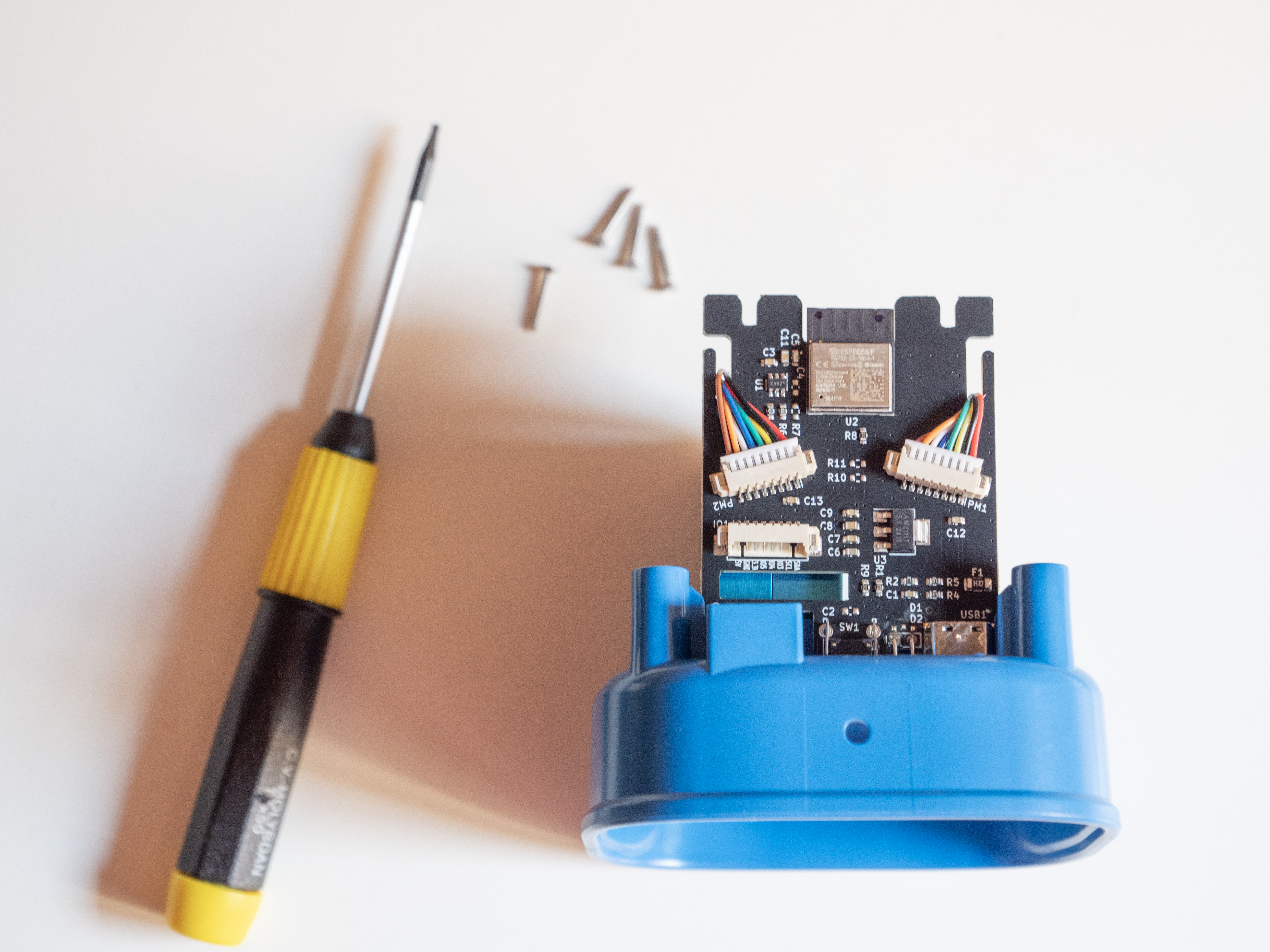
One particularly innovative aspect is the use of the ENS210 sensor to take measurements inside the PMS5003T module. This clever integration is designed to enhance PM accuracy by providing localized temperature and humidity data for compensation algorithms. While I have some reservations about the primary temperature and humidity readings coming from this internal sensor (more on that later), its role in refining PM accuracy is commendable and speaks to AirGradient’s commitment to data integrity.


Design and Build Quality: Ready for the Elements
The Open Air is constructed from quality ASA plastic, a material renowned for its UV resistance and weatherproofing capabilities. This ensures the device can withstand the rigors of outdoor deployment, a critical factor for long-term air quality monitoring. Beyond the material, the design boasts more robust and optimized wall or pole mounting options, including convenient zip tie holders and extension possibilities for accessories like solar cells. This thoughtful engineering makes installation straightforward and adaptable to various outdoor environments. The inclusion of a USB-C power input (2A 5V) is a welcome modern upgrade, offering greater convenience and universal compatibility compared to older power solutions. A visible status LED provides quick visual feedback on the device’s operational state.
Furthermore, the integration of an external hardware watchdog with the TPL5010 Nano Timer is a significant enhancement. This low-power timer, primarily used for system wake-up in battery-powered IoT applications, adds a layer of reliability, ensuring the device remains operational even in challenging conditions.


Openness: A Refreshing Philosophy
The open approach of the AirGradient Open Air is, without a doubt, a major selling point and a refreshing contrast to many proprietary solutions on the market. This openness extends beyond just the hardware, with air quality data being made available through the OpenAQ platform. This commitment to public data access is crucial for democratizing air quality information and fosters trust, unlike some platforms that have a history of monetizing user data. While the company’s website mentions users have access to a 24-month AirGradient data platform with a map, implying a potential shift to self-hosting (e.g., Home Assistant) after this period, their current transparency and commitment to open data are highly encouraging.
Dashboard
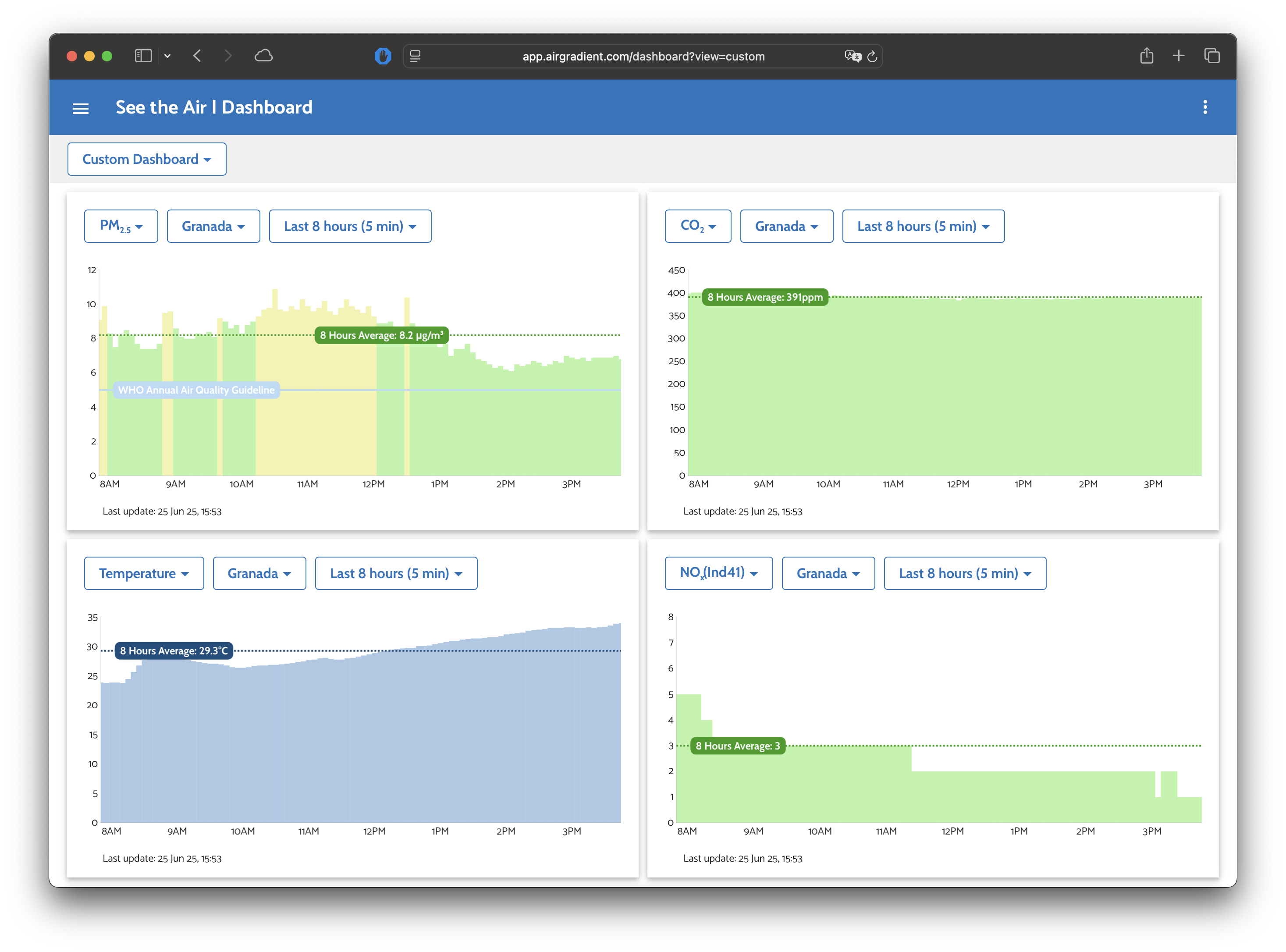
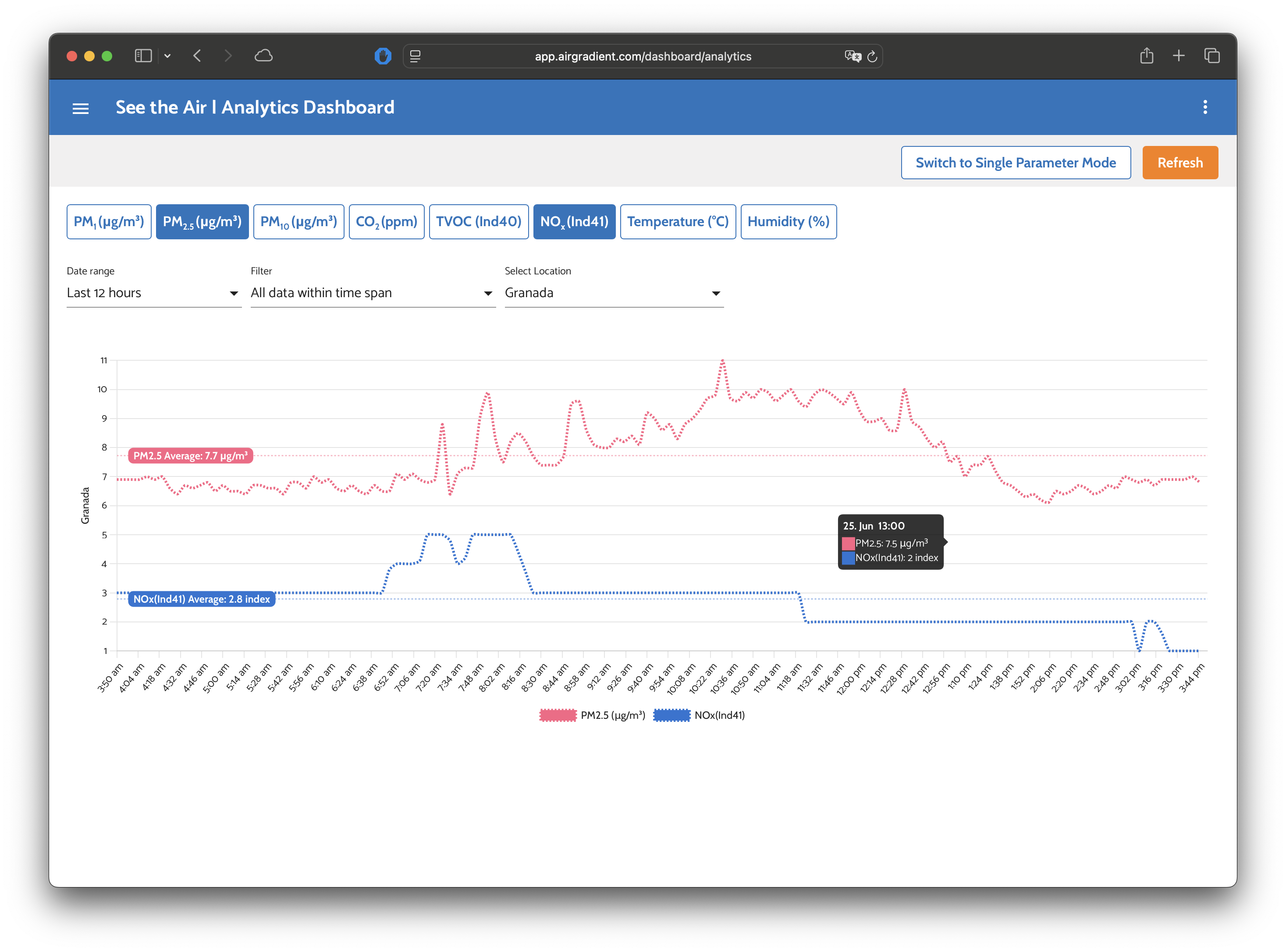
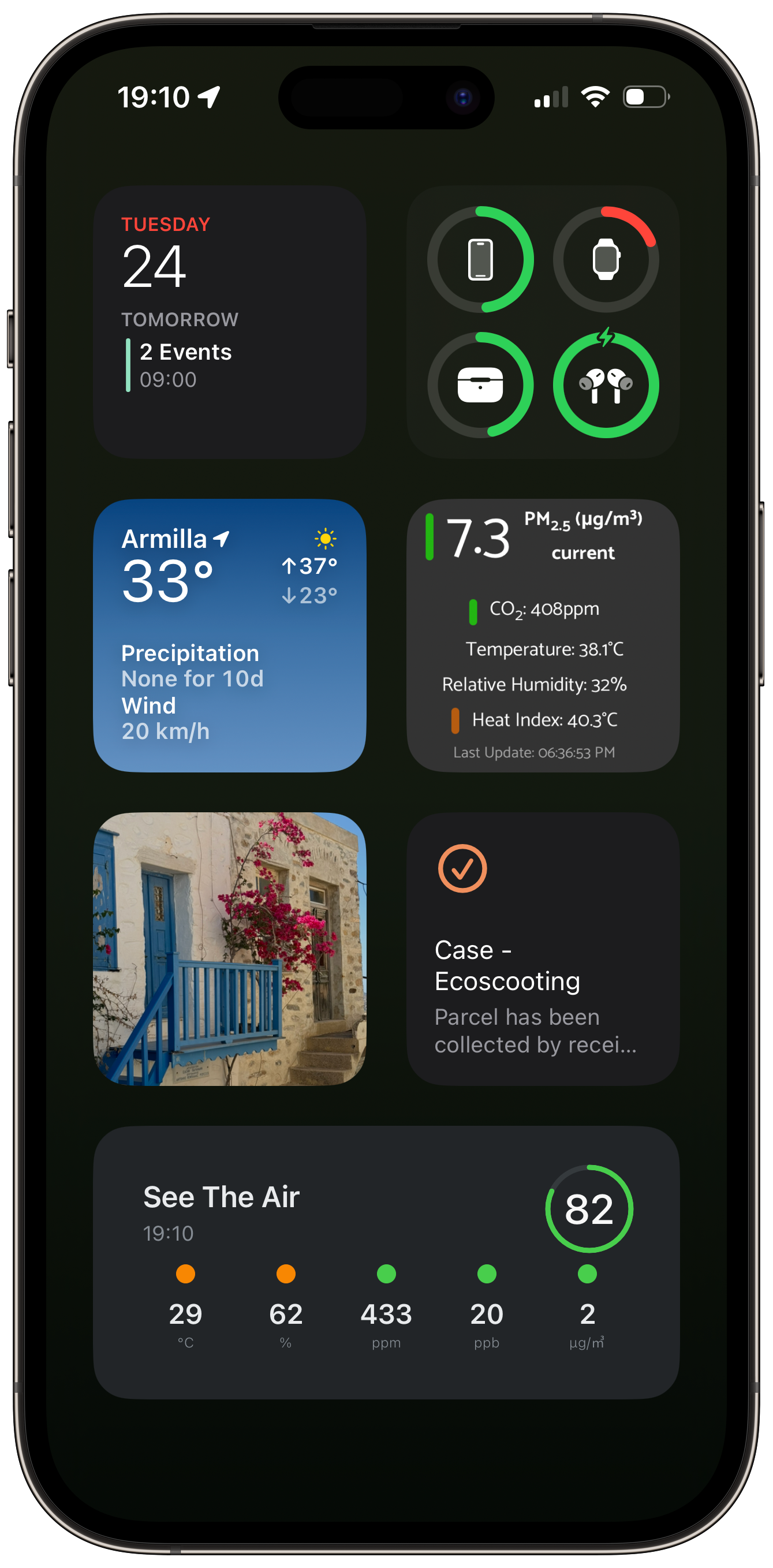
The AirGradient Dashboard stands out as a comprehensive and highly functional platform for managing air quality monitors and data. It provides users with a robust set of tools, mirroring capabilities found in other sophisticated dashboards, including seamless air quality data download for analysis, convenient firmware upgrades to keep devices up-to-date, and customizable notifications and alerts to stay informed about significant air quality changes. Furthermore, the dashboard simplifies administrative tasks through effective user and location management. A particularly favored feature is the Website Widget, which empowers users to embed an air quality widget on any website, and for a more personalized mobile experience, integrate it directly onto their phone’s home screen using an app like Widget Web, ensuring real-time air quality information is always at their fingertips.


Points of Consideration and Minor Disappointments
My primary disappointment lies with the temperature and humidity data largely coming from the ENS210 sensor inside the PM sensor module. For me, accurate environmental parameters are important as they directly influence the behavior of low-cost sensors, especially when relative humidity exceeds 75%. My previous experience with PurpleAir, where I had to relocate the T/RH sensor outside the unit to address heat influence from internal components, highlighted this critical issue. While I understand AirGradient’s priority is to utilize this internal T/RH data for a compensating algorithm to improve PM accuracy, it comes at the cost of providing precise ambient temperature and humidity readings to the user. Heat emitted by nearby electronic components can significantly skew T/RH readings, and while offsetting algorithms can be attempted, they often fall short in fluctuating ambient conditions, as heat can physically prevent humidity from reaching the sensor.
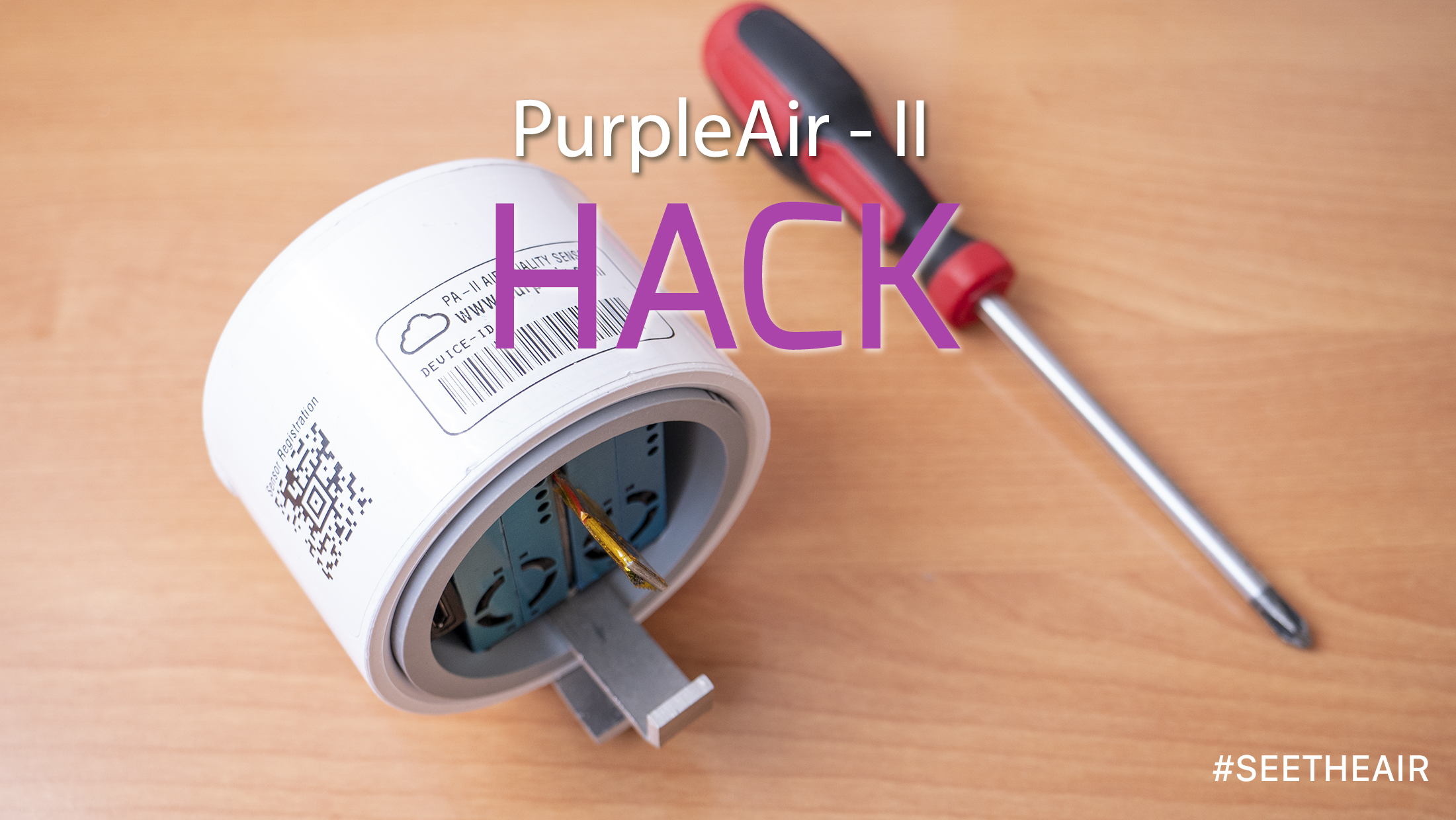
Interestingly, upon opening the device, I discovered two slots for PM sensors, similar to the PurpleAir, though only one is currently utilized. This suggests future expansion possibilities or perhaps a design choice for redundancy in different models.
While CO2 measurements are often associated with indoor environments, their inclusion in an outdoor monitor is valuable. As noted, they can provide valuable information about local emission sources, thereby boosting the overall understanding of PM measurements.
AirGradient’s dedication to constant research and collocations in the field of PM2.5 measurements is highly commendable. This proactive approach to data validation and accuracy instills confidence in their products.
Finally, the device’s support for Home Assistant is a definite plus for enthusiasts looking to integrate it into their smart home ecosystem. I also noted efforts to implement HomeKit, although I’m not entirely certain of its current 100% support due to potential version limitations. For personal use, HomeKit integration is extremely important as it allows for glanceable information about air quality conditions without needing to access dedicated apps, websites, or platforms, offering a seamless and intuitive user experience.
Conclusion
The AirGradient Open Air (Model O-1PST) is a significant step forward in consumer-grade outdoor air quality monitoring. Its robust build, thoughtful sensor selection, and commitment to open data set it apart. While the internal placement of the primary T/RH sensor for PM compensation is a trade-off I’m still grappling with, the overall package offers exceptional value and reliability. The company’s dedication to research and community engagement further strengthens its appeal. For anyone serious about understanding their outdoor air quality, the Open Air is a highly recommended and forward-thinking choice.

Update
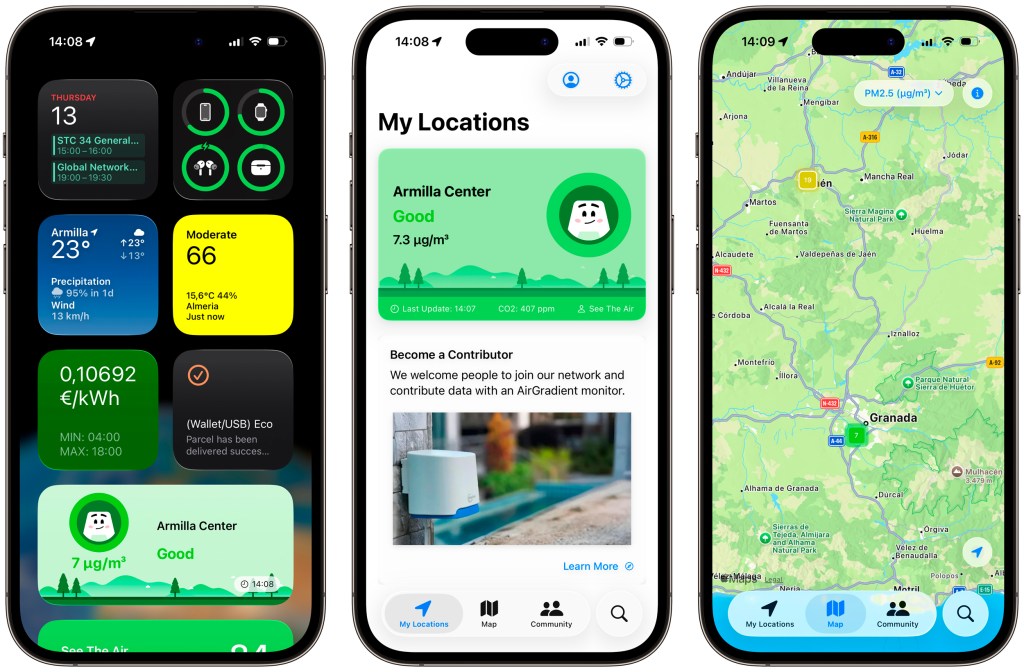
Since I wrote the review (some months ago), the company has made an exciting leap forward with the successful development and launch of their new iOS and Android applications.
This update brings the entire experience into the mobile sphere with a slick and modern interface. The design is intuitive and visually appealing, making navigation effortless and enjoyable.
What truly stands out and elevates the user experience is the incorporation of their new Widget. This feature is a game-changer, allowing users to see key information—like the air quality—with just a glance at their phone’s home screen, eliminating the need to even open the app.
Discover more from See The Air
Subscribe to get the latest posts sent to your email.
 See The Air