US EPA Finalizes New Standards for Harmful Particulate Matter (PM2.5)

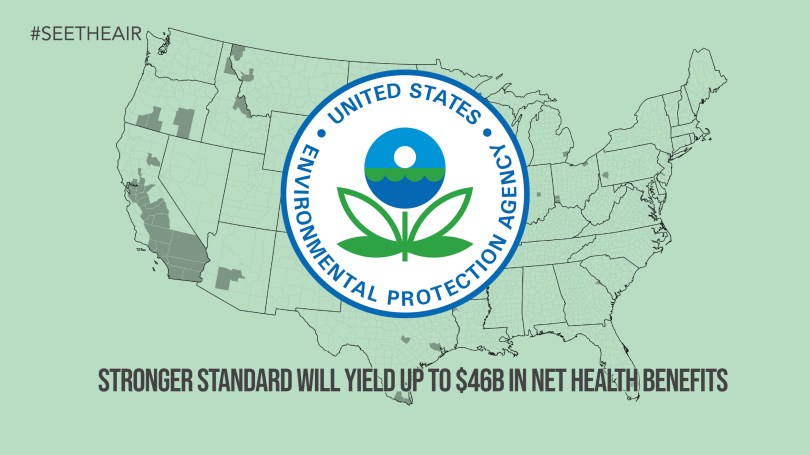
In a landmark decision, on February 7th, 2024 the Environmental Protection Agency (EPA) unveiled stricter regulations for fine particulate matter, a major air pollutant linked to numerous health problems. This marks the first update to the EPA’s standards in over a decade, and officials anticipate it will save thousands of American lives annually. Fine particulate matter, often referred to as “soot,” penetrates deep into lungs and even enters the bloodstream, posing significant health risks.

Read More »

Let’s Talk about the Elephant in the Room, Carbon Dioxide (CO2)

As an indoor generation, we spend our lives between walls, making the quality of the air we breathe there essential for our health and well-being. While many pollutants lurk within our buildings, carbon dioxide (CO2), often associated with climate change, might be closer than you think – impacting not just the environment, but also your cognitive abilities.

In low concentrations, CO2 is naturally present in the air we breathe, primarily released from our own respiration. However, poorly ventilated indoor spaces can lead to a buildup of this colorless, odorless gas, potentially reaching levels detrimental to occupants. The effects go beyond drowsiness or headaches, potentially impacting our ability to think clearly and perform tasks effectively.

Studies have shown a clear link between elevated CO2 levels and declines in cognitive function. In one study, researchers exposed healthy adults to various CO2 concentrations while they performed cognitive tasks. They found that even at moderate levels (around 1,000 parts per million, ppm), compared to fresh air conditions, participants experienced:

Read More »

Air Pollution Chronicle (Granada, Spain Edition)

They say that good air quality is a fundamental right for all, and at the same time, they say that 99% of the population worldwide is exposed to air pollution above WHO Air Quality Guidelines. Mixed messages here. Even though I have already shared the story on a Tweet thread, I decided to write an article as well because of the permanence of the article and because it is easier to share.

December 17th, 2023

I arrived in Granada, Spain for the holidays. A blanket of smoke was covering Granada and the small towns around with a total area of over 100 km2. Although I was super tired, the intense smell of smoke inside the apartment and the fact that I knew that there was a lot of particulate pollution indoors didn’t permit me to sleep well.

Read More »

Cozy Fireplaces, Clouded Lungs: Why Wood Burning Stoves are a Holiday Health Hazard

The holidays conjure up images of crackling fires, warm hearths, and cozy evenings. But for many, especially those living in communities with widespread wood burning, this idyllic picture masks a grim reality: a significant decline in indoor and outdoor air quality. Wood burning stoves, while charming and nostalgic, are a major contributor to indoor and outdoor air pollution, posing serious health risks to both the occupants of the house and the surrounding community.

Indoor Air: A Smoky Trap

Burning wood releases a cocktail of harmful pollutants, including fine particulate matter (PM2.5), carbon monoxide, nitrogen oxides, and volatile organic compounds (VOCs). These microscopic particles can easily infiltrate the lungs and bloodstream, causing a range of health problems:

Read More »

Holiday Cheer, Hazy Air: How Festive Practices Can Harm Indoor Air Quality

The holidays are a time for celebration, filled with the warmth of family gatherings, delicious meals, and festive decorations. However, amidst the joy, some seemingly harmless traditions can have unintended consequences for our indoor air quality.

1. Culinary Combustion: The Peril of Holiday Feasts

Holiday dinners often involve hours spent in the kitchen, with ovens cranking and stoves blazing, filling the air with a medley of aromas. While tempting, this culinary combustion releases volatile organic compounds (VOCs) from cooking oils, burning meat, and even vegetables. VOCs can irritate eyes and lungs, exacerbate respiratory issues, and contribute to poor air quality. Keep ventilation on!

2. Fragrant Fumes: The Unseen Threat of Candles and Incense

Candles and incense are staples of holiday decor, adding warmth and ambience to our homes. Unfortunately, their burning releases pollutants like particulate matter and volatile organic compounds, impacting air quality. For those with asthma or allergies, these irritants can trigger unpleasant reactions. Say no to candles and incense burning!

Read More »

Holidays and Air Quality Presents 🎁❤️

I know it sounds very consumeristic, but we all have to give some kind of a gift to friends and family as this is the social norm. Why not give something that will also help people be aware of the air quality in the ambient they spend most of their time, indoors?

Air Quality Monitors

You can find air quality monitors for all wallets. The most important thing to consider is not the amount of sensors the monitor has, but the effectiveness of the monitor in communicating the air quality information to the users and always consider products that are meant to last. Super cheap products are not a good investment for your wallet and the environment. e-waste is a real issue on a global scale.

Read More »

BS 40102 – A Two Part Standard on Health, Wellbeing, Thermal Comfort, and Indoor Air Quality

The BS 40102, a fresh standard introduced in 2022 (draft released) by the British Standards Institute, focuses on assessing the health, wellbeing, and indoor environmental quality (IEQ) of buildings. It incorporates an updated best-practice method for addressing thermal comfort, indoor air quality, and overheating in buildings.

Regarding the new exposure limits, they are derived from various sources, including the DEFRA Daily Air Quality Index, WHO Air Quality Guidelines 2021, BREEAM and WELL Guidelines, and British Standard BS EN 16798-1.

Part 1 – Health and Wellbeing in Buildings

  • BS 40102-1 gives recommendations for the measuring, monitoring and reporting of the well-being and IEQ performance of an occupied building and the associated building services.
  • BS 40102-1 provides an evaluation and rating system (IEQ performance score), the aim of which is to enhance IEQ, to create healthier buildings and improve the well-being of building occupants; including but not limited to staff, visitors, tenants and customers. 
Read More »

Interview with Change The Air Foundation

Our outdoor and indoor air is filled with particulate matter (PM) that consists of tiny solid and liquid particles that are often invisible to the naked eye. 

But just because we can’t always see these particles, doesn’t mean they aren’t there and negatively affecting our health. In fact, the tinier the particle, the deeper into our bodies it can go! 

The good news is there are steps you can take to improve your indoor air quality.

Be sure to check out this interview to learn more about how everything from your gas stove to your humidifier can be contributing to poor indoor air quality and how you can take steps today to improve the air inside your home!

Read More »

Understanding ASHRAE Standard 241: A Boon for Building Occupants

Understanding ASHRAE Standard 241: Control of Infectious Aerosols

ASHRAE, the American Society of Heating, Refrigerating and Air-Conditioning Engineers, is a global professional organization committed to advancing the arts and sciences of heating, ventilation, air conditioning, refrigeration and their allied fields. They have recently introduced a new standard, ASHRAE 241-2023, which focuses on the ‘Control of Infectious Aerosols.’ This new standard is a significant step forward in addressing the transmission of airborne diseases in non-healthcare settings.

The Genesis of ASHRAE 241

The genesis of ASHRAE 241 was during the COVID-19 pandemic, where there was a widespread realization that ventilation rates in non-healthcare settings were not designed to mitigate airborne disease transmission. The pandemic highlighted the inadequacies of our buildings’ ventilation systems, and organizations scrambled to upgrade their systems without a clear understanding of ‘how much’ ventilation was needed.

Read More »

Correlation Between Air Pollution Exposure, Dementia Risk, and Blood Concentrations of Vitamin B and Amino Acids

A recent study has unveiled a potential link between exposure to air pollution, the risk of developing dementia, and the levels of certain nutrients in the blood. The research, published in the journal Neurology, suggests that individuals with blood certain concentrations of vitamin B related amino acids (Homocysteine and Methionine) may be more susceptible to dementia after exposure to air pollution.

The study, led by a team of researchers, analyzed data from over 2,500 adults participants aged 60 and above. The participants’ blood samples were examined for levels of certain amino acids, while their exposure to air pollution was assessed using their residential history and air quality data.

Read More »