Ranking of Cities by Air Pollution! Nope!

English


I have come to the conclusion that rankings of cities by air pollution are not accurate and they don’t reflect the real situation in large communities because if you are unlucky enough to have a careless neighbor that burns wood/garbage/etc or you live outside the Low Traffic Neighborhoods (LTNs) and official AQ stations are far away from you then you are screwed!

Basically, your health is a subject of what others want, and there is little you can do to protect yourself. You can always stay indoors with purifies all over the house 24/7 and unable to open a window for oxygenated air to come inside. That is not correct as your freedom to open a window or walk outside your house and the right to breathe clean air are taken from you.

There are many studies talking about inequality in low-income communities. In a recent study researchers have even identified the fact that there are less trees around poor communities than in high-income ones.

Politicians marginalize the work-class constantly by refusing to find solutions to their problems. Some laws protect us from air pollution but they are not enforced. So far scientists have gathered hundred of evidence that tells us firmly that air pollution kills – more than 7 million people have died prematurely worldwide due to air pollution. Personally, death doesn’t scare me, but living a life with many medications and unable to function as a human being (Alzheimer’s among some of the most common diseases) is my biggest fear and air pollution can decrease the quality of life. It is hard to quantify morbidity which means the condition of suffering from a disease or medical condition. This is not the future I want for myself and the people around me and you shouldn’t too.

Read More »
Podcast Ep1: See The Air | Real Life Stories

I am very happy to announce that I am launching a new series of Podcast episodes where people from all around the world will be able to share their experience with air pollution and how it affects their lives.

The episodes will be available in all big Podcast distributional channels like Apple Podcast, Google Podcast, Spotify, and Spreaker.

Episode 1 : London, UK – Traffic Pollution and LTNs

In the first episode, we will hear Ediz from London, UK. Ediz is a clean air campaigner and he and his family members have to breathe lots of traffic-related air pollution as his neighborhood is jammed by hundreds of cars every day.

Read More »

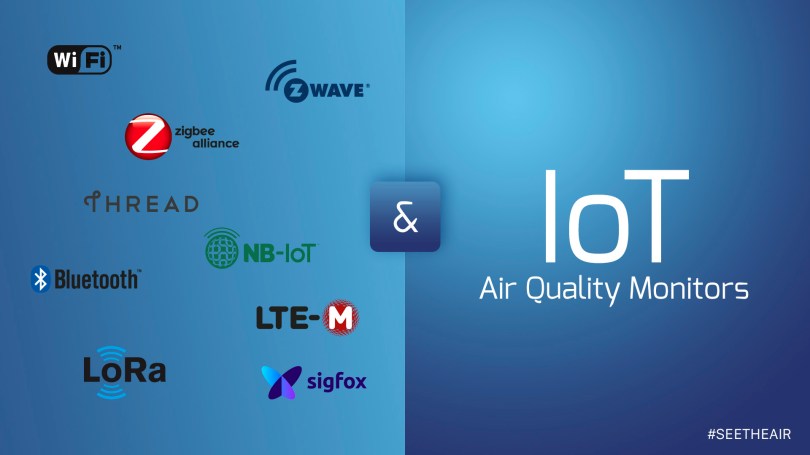
Let’s talk: IoT Wireless Network Protocols for Air Quality Monitors

The Internet of Things (IoT) describes the network of electronic devices (air quality monitors, purifiers, motion detectors, cameras, etc.) that are embedded with sensors, software, and other technologies for the purpose of connecting and exchanging data with other devices over the Internet.

In this article, I am going to describe some of the available networks and physical layers that are used by Air Quality Monitors (AQM), mainly for consumer-based products, and discuss which technologies make more sense in 2021+ for Smart Homes/Buildings and Businesses.

Wi-Fi IEEE 802.11

IEEE 802.11 is part of the IEEE 802 set of local area network (LAN) protocols and specifies the set of media access control (MAC) and physical layer (PHY) protocols for implementing wireless local area network (WLAN) Wi-Fi computer communication in various frequencies including 2.4 GHz, 5 GHz, and 6GHz.

IEEE 802.11a/b/g/n

This standard wireless network protocol is among the most common protocols for communication between the devices and the internet/cloud. Most devices even today use the ~20 years old 802.11b or 802.11g with a linkrate between 1 to 54 Mbit/s and a frequency of 2.4 GHz for power conservation reasons and good wall penetration. The 802.11n transmits the highest data throughput, but at the cost of high-power consumption at 5GHz.

IoT AQMs do not need a high-speed data throughput because the information they transfer is very little and in the range of a few kilobytes. So protocols like the IEEE 802.11ac and IEEE 802.11ax don’t make a lot of sense because they demand energy and they don’t offer good wall penetration in order to cover an entry house/apartment.

IEEE 802.11ax aka WiFi 6 or 6e

There are some claims that IoT devices will adopt the new WiFi 6e (e stands for enhanced) but I don’t think we will see that happening as bandwidth isn’t relevant for AQMs but the range is more essential and the WiFi 6e is designed to cover approximately 30m/98ft indoors. The 6e operates at 6Ghz, as a result, the highest the frequency the shortest the distance a signal can travel within walls. A positive feature of this protocol is that it supports a Low Power Indoor (LPI) mode. In the multi-user scenario, the WiFi 6 module consumes only one-third of that of the Wi-Fi 4 (802.11n) module and they achieve that by shortening wake-up time.

Read More »

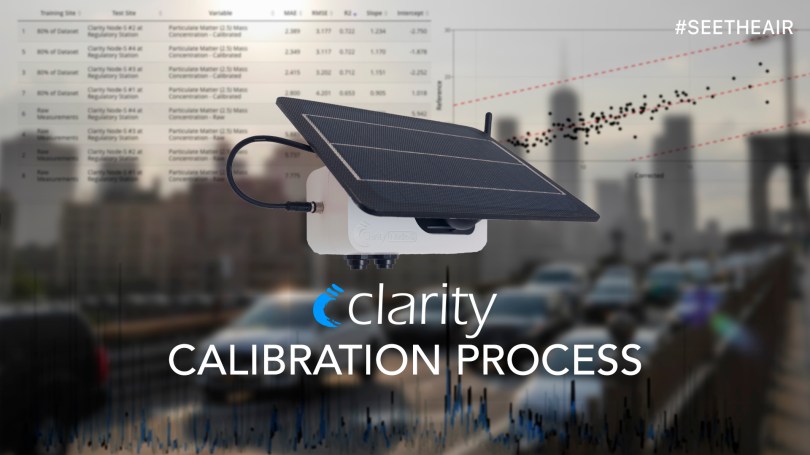
Clarity Node-S Remote Calibration Process

When you use low-cost monitors for professional reasons, you need to calibrate them in order to obtain the best possible measurements. This process makes data less vulnerable to environmental conditions and more valuable to scientists and policymakers.

Clarity takes this process really seriously, and they dedicate a lot of resources to making sure their devices will measure accurate data (for more on how to assess air quality sensor accuracy, see this blog). I ask Clarity to perform a remote calibration on my Node-S and guide me through the entire the process.

I have discovered something interesting during that process about the local air quality station.

As you may already know from my previous articles, my local air quality station ES1393A is placed inside a park and it is almost surrounded by trees. Trees act as a barrier, and they block pollutants from reaching the monitors. The Clarity team told me that this was an especially complicated calibration. I suspect it has to do with the location of the station and how trees may interact with low-cost sensors.

The type of trees in my city is a variation of a ficus called ficus retusa l. var nitida. These trees release a resin from their leaves which can create interference to the low-cost sensors that do not have a filter to keep them out as the scientific-grade monitors do. Most outdoor scientific-grade monitors come with a debris screen inlet or an Inlet Heater which may capture the resin from the trees.

The problem is not the trees but the location of the air quality station that shouldn’t have been there.

Read More »

Review: Envirosuite – Air Quality Management Platform

In today’s marketplace, there are many ambient air quality monitors capable of measuring multiple environmental parameters and pollutants in real-time. However, air quality monitors aren’t useful unless they are paired with an intelligent software platform in order to extrapolate the information and make it serviceable to operators and communities.

 Envirosuite has succeeded in embedded 30+ years or experience working with complex air quality and meteorology challenges directly into an advanced software platform. Users can make operational decisions based on insights from real-time air quality data and emissions modeling. Furthermore, they can identify the likely sources of air quality pollution from past incidents. 

The platform is currently used by over 500 industrial operations such as mines, oil refineries, maritime ports, construction sites but also for municipal authorities in cities. Noise management capabilities are also used at 200 of the world’s major airports.

Key modules and their functionalities

Envirosuite does just that and it is a global leader in Environmental Intelligence, using proprietary technology and real-time localized data to help industries grow sustainably and communities to thrive. The platform integrates with pre-existing monitoring devices that are capturing data on multiple air quality parameters. It is offered as SaaS (software-as-a-service) subscription supported by AWS cloud technology and is segmented into modular solutions for to assist with specific air quality challenges.

Read More »

Top Free Air Quality Index (AQI) Apps

Globally, climate change has driven many catastrophic events like the huge wildfires in Australia and on the USA west coast. More and more people reached my blog to collect information about which Air Quality Monitor should invest in and which app should they download to get information about the air quality in their area.

Here are the TOP 6 Air Quality Index Apps that have helped me and others see the air, and they are free.

#1 Breathe

iOS by Tobias Tiemerding | 24MB | Free
v3.0 (beta)

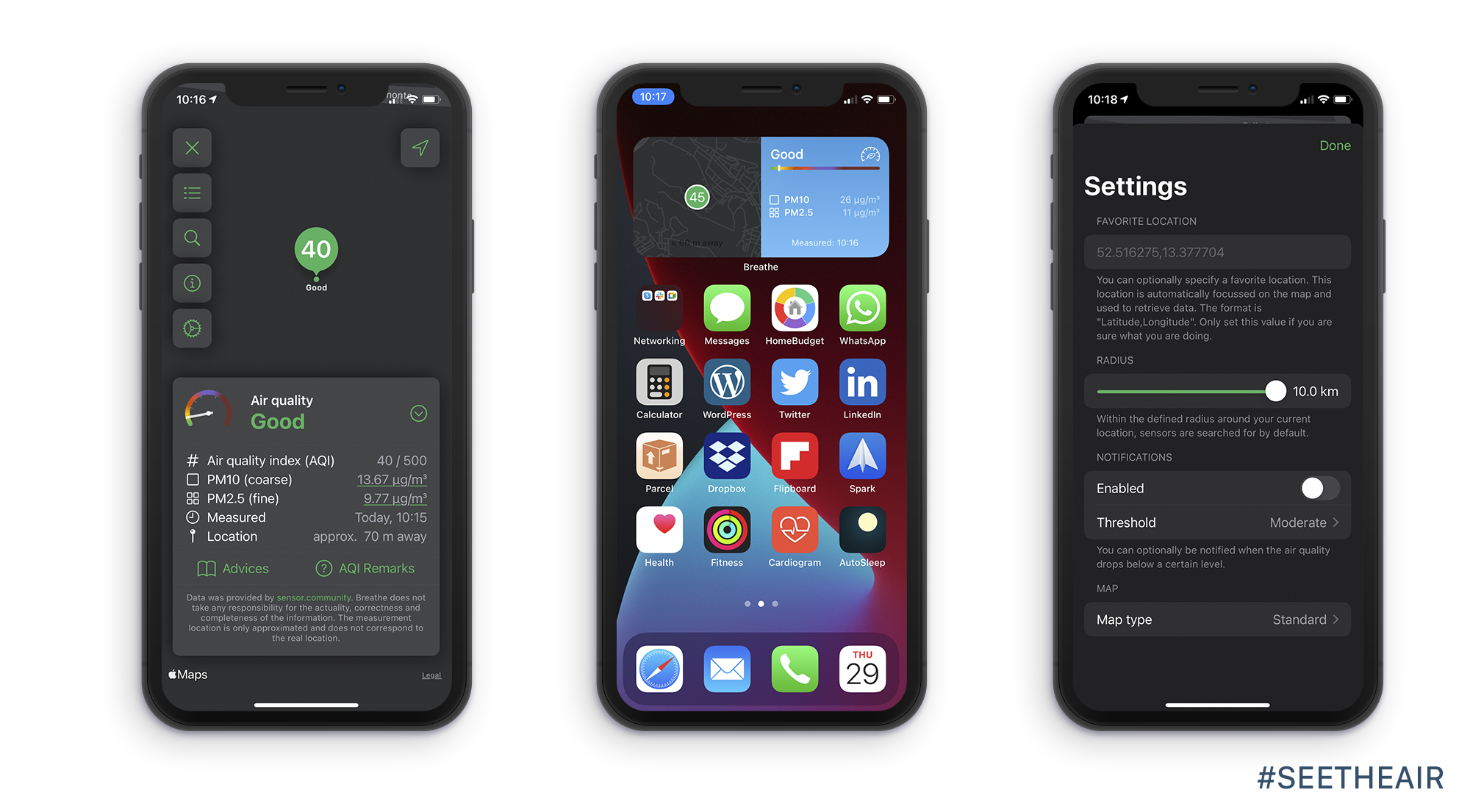
Breathe is a great app for European citizens as it will pull data from the Sensor Community (formerly known as Luftdaten) server and will inform you in an instant about the Air Quality near you. You don’t have to own a monitor as long as there is one available in a radius of 10Km, and in case there are many monitors then it will pull data from the nearest from you. Thanks to the new update, it supports iOS 14 Widgets so you don’t even need to launch the app anymore, just place a tile into your home screen and you are ready.

#2 Local Haze

iOS by HumanLogic | 20MB | Free
v1.5.0

Local Haze is another great app similar to the Breathe, but it combines information from many sources including the Sensor Community with over 12,000 sensors, PupleAir, and uRad Smoggies. Also, it is available globally. You can choose your favorite monitor, and it also provides the confidence rating, that way we know which measurement to trust more.

#3 BreezoMeter

iOS & Android by BreezoMeter | 71MB | In-App Purchases
v3.5.1

BreezoMeter is the app with the most experience in the field of air quality, as the company behind it is leading the industry. Apart from air pollution data, it offers a pollen forecast for those who suffer from seasonal allergies. It uses its propitiatory AQI algorithm called BAQI to give a better insight of the air pollution in your area. Finally, it offers an air quality forecast for up to 6 hours.

#4 Plume Labs

iOS & Android by Plume Labs | 283MB | Free
v3.2.2

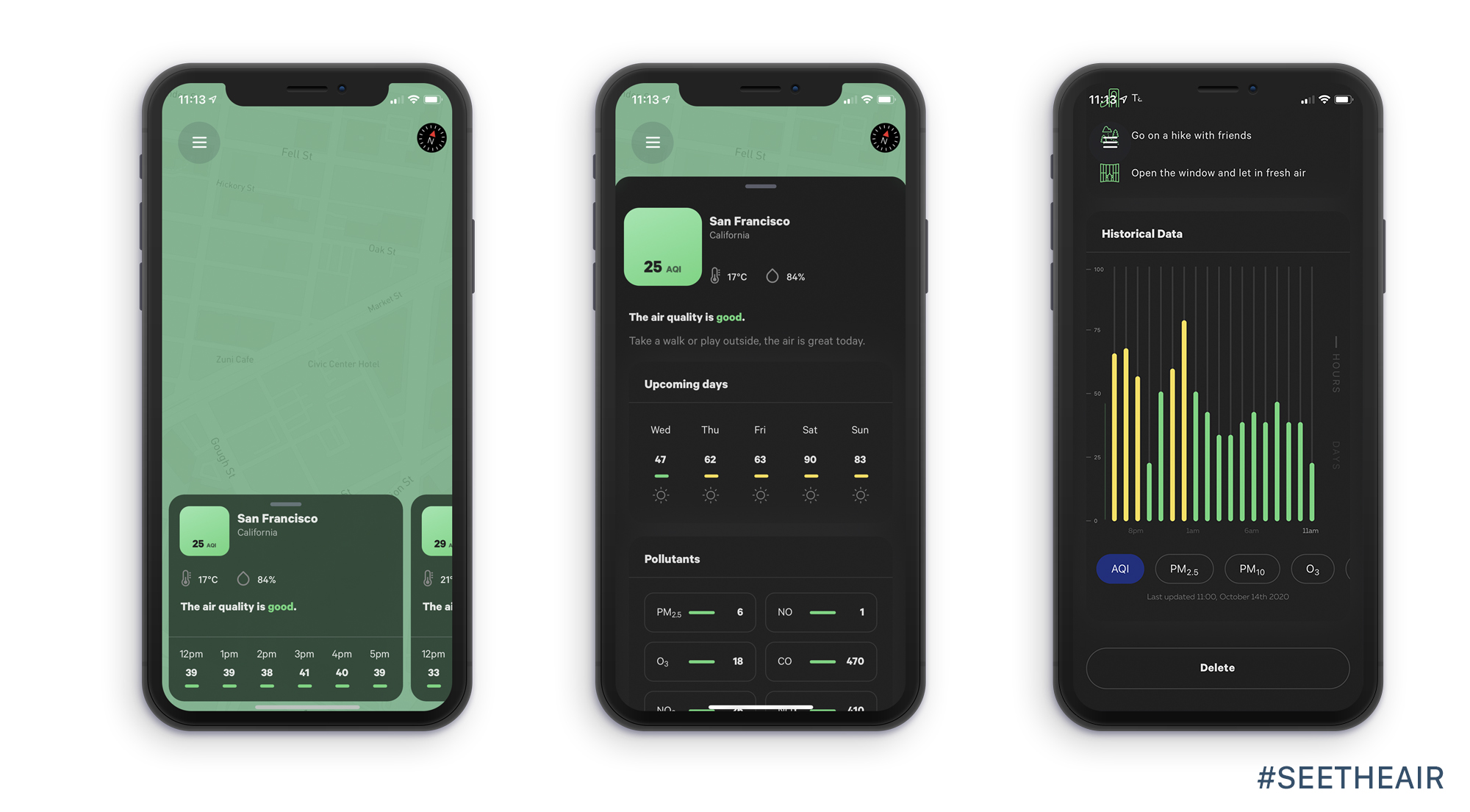
Plume Labs is another app with great experience in the field of air quality. It also uses a propitiatory AQI algorithm called PAQI but the company allows users to switch between one of the major AQI algorithms like US EPA AQI, Europe CAQI, China AQI, and Abu Dhabi ADAQI. Another feature that distinguishes Plume Labs is the air quality forecast for up to 4 days. Finally, it supports dark mode.

#5 Airly

iOS & Android by Airly | 25MB | Free
v1.13.2

Although Airly app was designed to support the Airly air quality monitors, it also supports PupleAir monitors and EPA stations and it is powered by Dark Sky service which was recently bought by Apple Inc. It supports dark mode and it is compatible with the US EPA AQI and the European AQI CAQI. Very fast responding app and visually pleasing.

#6 Live Air

iOS & Android by Origins Technology Limited | 50MB | Free
v3.1

Live Air (formerly known as Kaiterra Global Air Quality) is designed as a host app for the air quality monitors of the company (Kaiterra Laser Egg series). However, the company also focuses on ambient air quality data, and with the latest update, they have managed to combine both sources of air quality information (indoor and outdoor) elegantly.

Review: Airly PM + Gas

There is an enormous demand for air quality monitors in cities near forests that are susceptible to wildfires. Climate change has driven huge increases in wildfire area burned over the past few decades, and air quality data can help us protect public health more than ever.

Watch out! Wildfires are not the only source of air pollution in cities. Urban lifestyle with huge diesel/petrol SUVs and delivery trucks moving all around the city all day long emit huge amounts of toxic pollutants (NO2, CO, UFP, etc…) and during winter season wood stoves emit extra 12 times more PM2.5 pollution into the air we all breathe as a result they create an unhealthy environment for all.

Airly is an aspiring company that tries to empower individuals and communities with knowledge about the air they breathe by offering three different monitors that will meet the needs of a different situation. The Airly PM with is the basic version and measures particulate matter PM10, PM2.5, and PM1.0, the Airly PM + Gas (NO2 + O3), and finally, the Airly PM + Gas (SO2 + CO).

For this review, I will present to you the Airly PM + Gas (NO2 + O3) as I believe it represents better the urban environments free from industrial sites. In my city, the number one pollutant is ground level ozone as there is a huge production and transportation of vegetables and fruit all around Spain and Europe and plenty of sunlight.

Keep in mind, ground ozone forms from the interaction of nitrogen dioxide and some other pollutants with UV radiation from the sunlight.

Read More »

Series of Innovators: SPEC Sensors

Introduction

SPEC Sensors was founded in 2012 in the USA (California) by Dr. Joseph Stetter and Ed Stetter. Their gas sensors, analog and digital, are one of a kind as the technology and hard work has allowed them to minimize the sensor size to only 20x20x3 mm in order for gas sensing to become a part of our everyday lives. The company has foreseen that sensors of all types are going to be integrated into smartphones and other wearable devices, becoming an integral part of our everyday lives and building the Internet of Things (IoT).

IoT low-cost sensors are in my DNA as I believe they will allow us to understand environmental issues otherwise, we would have dismissed or we would not be aware.

Let’s read together what they have to share with us and reach a conclusion at the end.

Interview

  • Tell us a bit about your motivation in developing air quality sensors?

We saw the need and opportunity for low cost electrochemical sensors with good performance – before SPEC, high performance sensors were too expensive and too big to enable new applications in wearables and distributed monitors. SPEC was born out of the research driven by Eco Sensors / KWJ Engineering, Inc. led by Dr. Joseph Stetter.  We were able to build SPEC Sensors using modern technology in a new high performance plastic package.Read More »

When is the best time to Exercise Outdoors in England?

Based on 2019 data I analyzed the concentration of Nitrogen Dioxide (NO2) and Particulate Matter (PM2.5), when available, as they are two of the most common pollutants in urban environments due to vehicle traffic and household heating.

In a recent study, scientists selected 140,072 adults and after following them for an average of 2 years, they found that physical activity, even in high PM2.5 levels, is an important high blood pressure (hypertension) prevention strategy as the markers remained stable.

This is a great piece of news. However, I prefer to avoid pollution in the first place and not playing the constant game of good and bad. In our lives, many other factors contribute to health issues, and by eliminating air pollution you make sure that the eternal battle of survivor leans towards your favor.

Let’s take some random locations from across England and see which day and time of the week is the best to exercise outdoors. All data are from the official monitoring network (AURN).

London

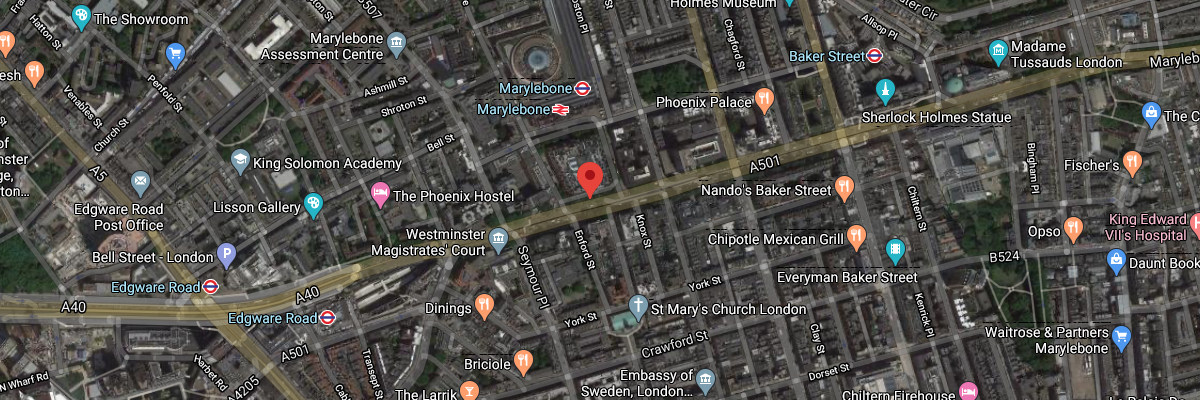
I randomly chose to analyze data from the London Marylebone Road (MY1), which is an urban traffic station.

London Marylebone Road (MY1)

Based on the NO2 data, from Tuesday to Friday I don’t recommend anyone to run near that area as the highest concentrations are registered those days especially between 07:00 to 21:00 throughout the year. Remember the annual safe mean according to WHO is set to 40 μg/m3. Weekends and late nights between 00:00 to 06:00 in the morning seem to be adequate to exercise as traffic seems to calm down a lot. January, February, March, and June are the worst months too.Read More »

Dear city of Almeria (Spain) or any other city in the world (English/Español)

(Scroll down for the Spanish version/Desplácese hacia abajo para la versión en español)

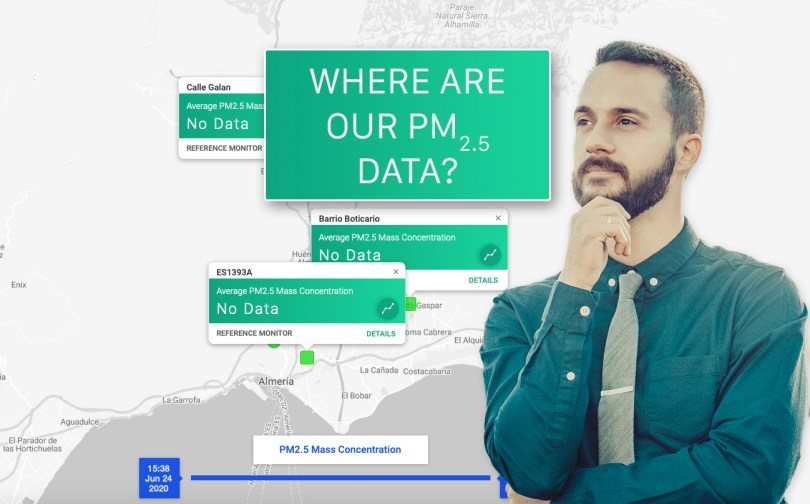
I am writing this article because I would like to help you understand the importance of the issue as the whole province and consequently my city Almeria doesn’t have an official air quality station with a sensor capable of measuring particulate matter with an aerodynamic diameter of 2.5 μm or less (PM2.5) in real-time.

What is Particulate Matter (PM)?

Particulate Matter (PM) are solids material (sometimes liquid too) that float in the air. Some PM is released directly from a specific source − combustion in Diesel engines − while others form in complicated chemical reactions in the atmosphere.

Particles in the PM2.5 size range can travel deeply into the respiratory tract, reaching the lungs. Studies also suggest that long term exposure to fine particulate matter may be associated with increased rates of chronic bronchitis, reduced lung function and increased mortality from lung cancer, and heart disease. People with breathing and heart problems, children and the elderly may be particularly sensitive to PM2.5.

The Problem

In the province and city of Almeria, there are three Air Quality Stations that measure many pollutants one of which is PM2.5. Unfortunately, these sensors are outdated and the results we get are ONE daily average value which is basically useless in my opinion. Apart from that, we need to wait for a month to get the results back after filing a form. I guess the same thing applies to the 68 stations all around Andalucia in total.

Citizens need real-time data in order to take action and reduce their exposure to air pollution. They also need better tools and maps where they can visualise where pollution is in order to avoid harmful exposure. There are already many studies supporting the correlation between air pollution and COVID-19 cases.Read More »