How to Eliminate Odors from Indoor Spaces

Let me tell you from the beginning it is not an easy task. Odors are VOCs, sulfur-containing compounds, and nitrogen-containing compounds. In most cases, odors come from rotten food inside the garbage bin or off-gassing materials that are new and of a low-quality like furniture, paint, and flooring.

Sulfur-containing compounds like hydrogen sulfide (rotten eggs smell), dimethyl sulfide (rotten cabbage smell), etc are produced during the anaerobic breakdown of food waste. They have a low odor threshold, which means that we can smell them even in only very small amounts.

Nitrogen-containing compounds like putrescine (rotting meat smell), trimethylamine (fishy smell), etc have a low odor threshold. Unlike ammonia (pungent smell) which is produced in large quantities, it has a higher odor threshold, so doesn’t contribute to indoor smell as much.

Another source of unpleasant odor indoors is the combustion of cigarettes/wood as the chemicals released from the burning biomass can infuse inside the walls and textiles. They call it thirdhand smoke as the residual contamination from smoke lingers indoors, and the cancer-causing substances such as formaldehyde can harm us.

What NOT to do!

Read More »

Real Life Experiment – Indoor vs Outdoor Air Quality

There are countless times that I stretch the importance of monitoring and managing indoor air quality by keeping an eye on the outdoor air quality/conditions.

In this experiment, I want to demonstrate that it is hard to manage indoor air. I want to state that indoor spaces should be subject to 24/7 monitoring and not a periodic inspection.

The graph below demonstrated that indoor AQ gets influenced by outdoor air and on top of that, the polluted air lingers for a longer time indoors unless there is a mitigation plan (aka filtration) in place.

Read More »

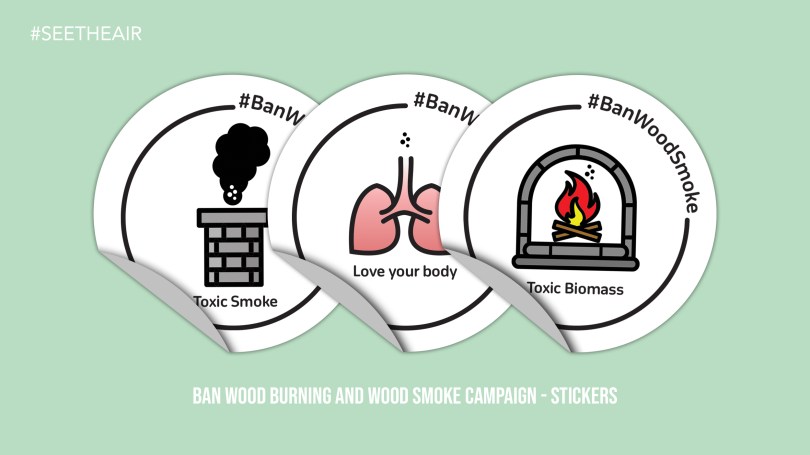
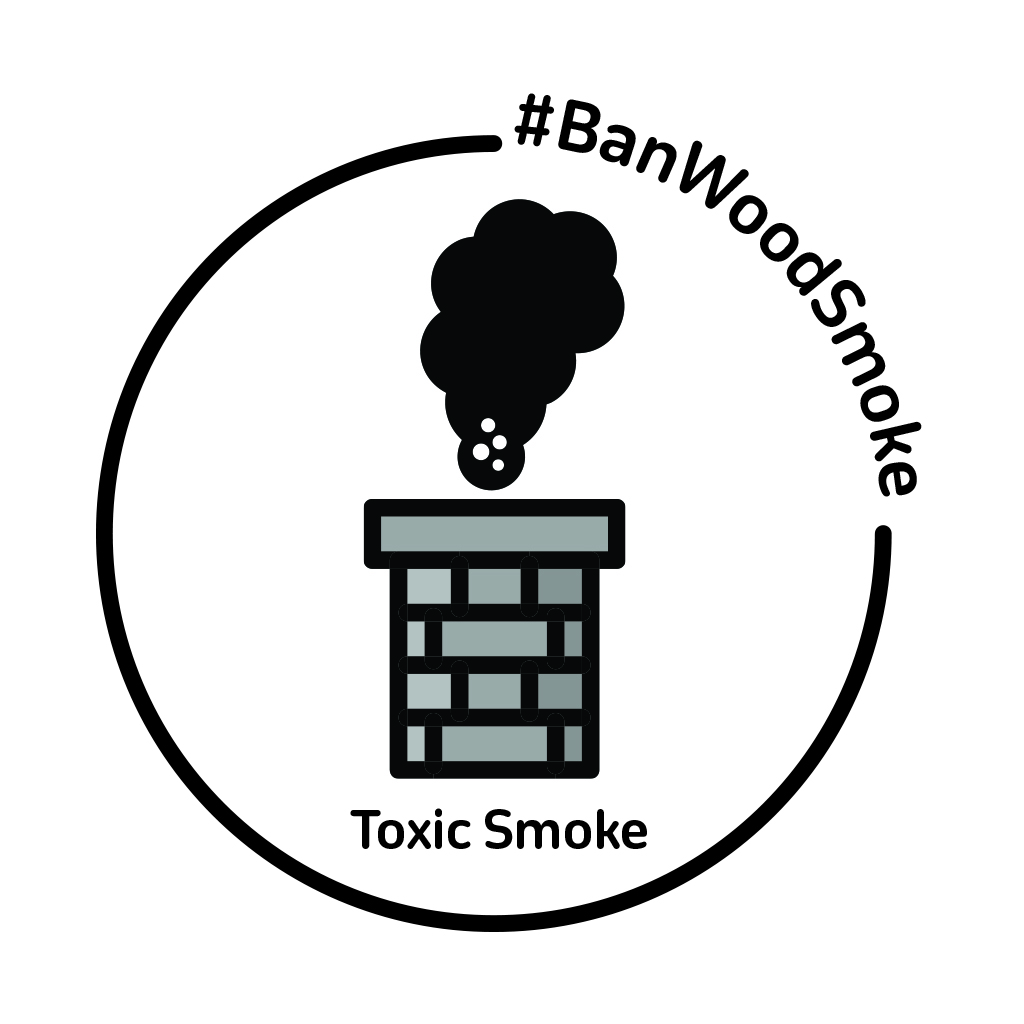
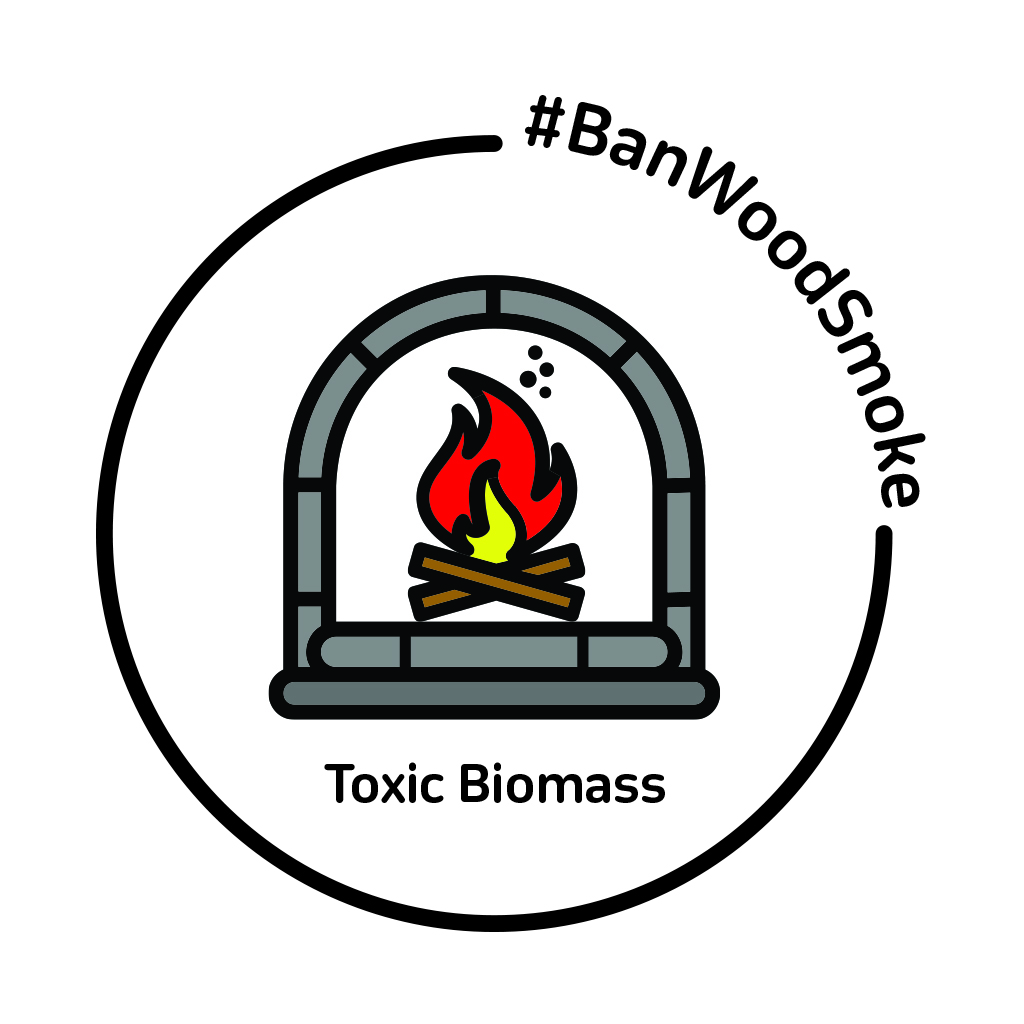
Ban Wood Smoke – Stickers

In my effort to help clean air communities to raise awareness (I am not only words), I decided to design three simple circular stickers which I will distribute to the communities once the poll is closed and you have selected the best sticker.

Choose one between the three of them and apply to get stickers once the poll is closed. You can apply for the winning sticker via the contact page. Thank you!

Read More »

Size Matters: Why is important to know the Particle Size Distribution?

In a constant effort to educate the community, I highly recommend you to attend my upcoming webinar “Size Matters: Why is important to know the Particle Size Distribution“. The webinar is scheduled for the16th of November, 2022 at 8am EST.

Although it is a business oriented webinar, I will also try to educate in simple terms the attendees on what is PM2.5 and why it falls short as it doesn’t reveal in detail the make up of air pollution.

Read More »

The Dark Side of the Wood Stove Industry

You probably have seen “cozy” images of fireplaces or wood stoves with happy people, a blanket around them, and a hot beverage and you may have thought that’s something very appealing, I want that! Well, I would suggest thinking twice before taking that decision and if you have already taken it, maybe it’s time to undo your mistake.

You see, people get sick thanks to these “cozy” elements in houses. It’s very hard to undo the brain wash the wood stove industry has done all of these years but we have to realize that wood burning is neither sustainable nor healthy.

Many claims that biomass is sustainable but this is a myth. A story designed to push people into spending money for status or simple ineffective heating. You see, clean energy (wind, solar, etc) doesn’t require the user to buy fuel, logs, or pellets every season. It is there for us but doesn’t generate constant revenue for the companies.

Read More »

Modern Houses & Indoor Air Quality 🏡

One will think that the more modern the house, the better the indoor air quality. However, that’s not always the truth as recently I discovered that many houses have inadequate appliances that will create harmful air pollutants and some of them will falsely mitigate contaminants by creating a false sense of remediation.

Example #1

Gas cooktops are a must according to good chefs as the pans are able to heat immediately and you have more control of the heat. That’s not true as the new induction cook tops are able to heat the bottom of the pans as fast without releasing harmful pollutants like Nitrogen dioxide.

Read More »

The Truth about Indoor Air Quality

Not lots of people are ready to accept the truth or understand it. We dismiss important information when it is not visible “out of sight, out of mind” and we get influenced when something is shiny and pretty.

Productivity

Poor air quality won’t kill you (at least not immediately and depending on the pollutants), but do you want to be an average employee, athlete, parent, student, or the best? Do you want your employees to work in mediocre conditions and perform poorly, or do you want them to be vibrant and productive?

Read More »

Have you noticed Climate Change?

I have this simple question. Have you noticed Climate Change?

I believe the summer heat has helped many in the northern hemisphere to notice that something is going on. However, climate change is not only extreme heat but a lot more.

Lots of news are covering the record temperatures that are registered in places never seen before. Lots of articles are talking about the deaths these high temperatures cause. All of them are true, but no one mentions the effects on the environment that supports our food chain and the animals that live on this planet too. Crops and animals, suffer a lot, and they don’t have an air conditioner to cope with the heat or an air purifier to cope with the air pollution.

Ozone (O3)

Ground-level ozone causes more damage to plants and trees than any other air pollutant. Ozone penetrates leaves through stomata (tiny openings present on the epidermis of leaves) during gas exchange. Ozone is a strong oxidant, and it causes several types of symptoms, including chlorosis (yellowing of leaf) and necrosis (the death of the tissue).

Read More »

Low-Cost Sensors, Do They Hold Up To The Hype?

Low-cost sensors have helped communities see the air quality, but experts are still debating whether data are accurate or not. In many cases, monitor manufacturers have to turn to data manipulation in order to get accurate results, but it is time to step up by deploying better sensor technology.

The technology exists and we should take advantage of it as soon as possible. Almost always, the first thing I am asked about sensors is how accurate they are. Well, this question has a very tricky answer. In many cases, we measure accuracy by comparing a low-cost sensor with a reference monitor, which worths thousands of dollars. However, the comparison is not always fair. For example, if the XYZ company sends their monitor for evaluation during a high humidity season then unless they have a heater or dryer at the inlet to remove humid droplets of water from the samples before measurement then the results from the correlation would be catastrophic.

Read More »

Fireworks are Bad New for your Body

Fireworks or pyrotechnics are used heavily to this day in many places around the world to celebrate various events. People have them associated with fan and parties, so they are not very open on hearing that they are bad for our health. Fireworks elevate air levels of particulate matter with several metallic components and gases during their explosion. Studies show that hospital admissions with respiratory issues increase during similar events all around the world.

The color of the fireworks is subject to the metals they mix, and while these metals heat from the explosive materials, they produce various color hues.

Read More »