A DIY Ventilation Solution for Renters

Renting an apartment often means limited control over modifications, especially when it comes to essential systems like ventilation. Poor indoor air quality can significantly impact health and well-being, but drilling holes for traditional ventilation systems is usually out of the question. This article presents a simple, affordable DIY project using a standard air purifier to bring fresh, filtered air into your rented space without any permanent alterations.

The Problem: Stale Indoor Air and Renting Restrictions

Old apartments but also modern, energy-efficient apartments can sometimes suffer from poor ventilation, leading to a buildup of indoor pollutants like CO2, volatile organic compounds (VOCs), and particulate matter. While opening windows is a simple solution, it’s not always practical due to weather, noise, or outdoor air pollution. Renters often face the added challenge of not being allowed to make structural changes, ruling out traditional ventilation installations.   

The DIY Solution: Air Purifier Ventilation

This project uses a standard standalone air purifier in a novel way to introduce fresh, filtered outdoor air. The key components are:

  • A Standard Air Purifier: Choose one with a HEPA filter for particulate matter and a carbon filter for gases. Programmable models are highly recommended for automation.
  • Flexible Tubing and Window Adapter: These connect the air purifier’s intake to a slightly opened window. You can find suitable tubing and adapters at most hardware stores for around €15.
Read More »

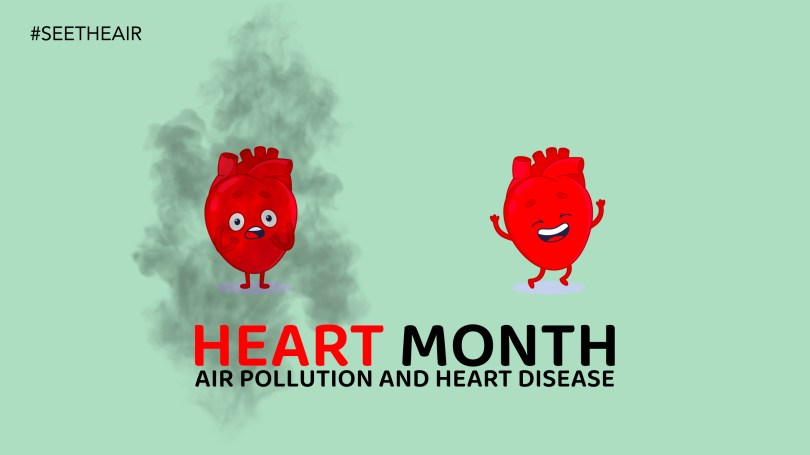
Heart Month: Understanding the Link Between Air Pollution and Heart Disease


February is American Heart Month and Saint Valentine’s Day, a good time to raise awareness about cardiovascular health. While many factors contribute to heart disease, air pollution is a significant and often overlooked risk factor.

The Link Between Air Pollution and Heart Disease

Air pollution is a complex mixture of gases and particulate matter, some of which are particularly harmful to human health. When we breathe in polluted air, these particles can enter our bloodstream and trigger a cascade of negative effects on the cardiovascular system.   

  • Inflammation: Air pollution can cause inflammation in the blood vessels, which can lead to plaque buildup and hardening of the arteries.   
  • Blood Clots: Exposure to air pollution can increase the risk of blood clots, which can lead to heart attacks and strokes.   
  • Arrhythmias: Air pollution can disrupt the electrical activity of the heart, leading to irregular heartbeats.   
  • Heart Failure: Long-term exposure to air pollution can weaken the heart muscle and contribute to heart failure.
Read More »

Book Review: “Indoor Air Quality in Buildings for Well-being: Practical Application Strategies”

A 2023 published book in Spanish, “Calidad del aire interior en los edificios para el bienestar: estrategias de aplicación práctica” (Indoor Air Quality in Buildings for Well-being: Practical Application Strategies), is poised to become an essential resource for improving indoor air quality globally. Authored by Miguel Ángel Campano, Jessica Fernández-Agüera, and Juan José Sendra, this comprehensive guide delves into the critical aspects of indoor air quality (IAQ) and offers practical strategies for creating healthier indoor environments.   

Relevance to Global Initiatives

While currently available in Spanish, this book’s content is highly relevant to international efforts such as the development of Global Open Air Quality Standards (GO AQS). The GO AQS initiative aims to establish universal benchmarks for air quality, and the book provides valuable insights and data that can orient the initiative.

Comprehensive Coverage of Key IAQ Factors

Read More »

Personal Exposure: Tracking Air Quality with Portable Monitors – 6 Months

This article documents my personal experiment tracking air quality exposure for 6 months using two portable, low-cost monitors: one for PM2.5 (particulate matter) and the other for CO2 (carbon dioxide). The experiment aimed to gain insights into personal exposure levels and understand the impact of lifestyle and environmental factors on air quality.

Read More »

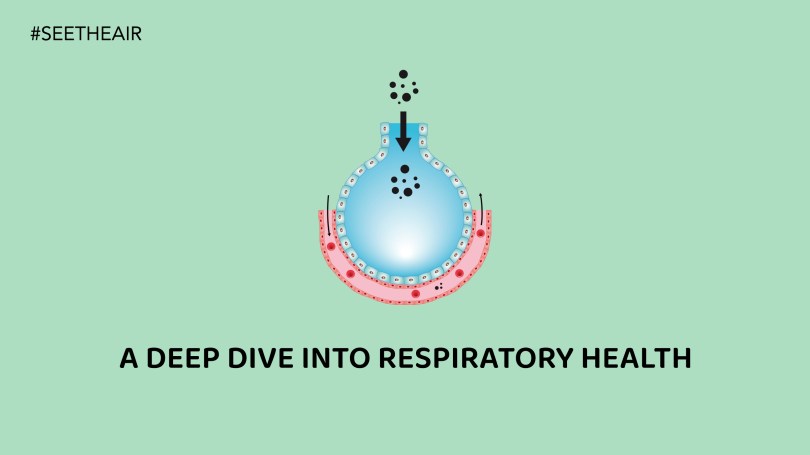
Alveolar Sacs and Particulate Matter: A Deep Dive into Respiratory Health

The respiratory system is a complex network responsible for the vital exchange of oxygen (O2) and carbon dioxide (CO2). At the heart of this system lie the alveoli, tiny air sacs where this gas exchange occurs. However, these delicate structures are also vulnerable to the intrusion of harmful particles, which can have serious health consequences.   

The Journey of Inhaled Particles

When we breathe, we inhale a variety of particles, including dust, smoke pollutants, and pathogens. The size of these particles plays a crucial role in determining how far they travel into our respiratory system. Larger particles are typically trapped in the upper airways, while smaller ones can penetrate deeper into the lungs.   

Read More »

Understanding the Link Between Indoor Ventilation and Radon Levels: Insights from Recent Measurements

January marks Radon Awareness Month, a time when public health officials and environmental agencies emphasize the importance of monitoring and mitigating radon gas, a known carcinogen that can accumulate in buildings. Recent measurements taken in my residential setting have revealed a clear pattern linking radon (Rn) levels to indoor ventilation practices, providing valuable insights into how we can manage this health risk effectively.

Short-Term Analysis (7 Days)

The first screenshot presents data for a 7-day period, from January 1 to January 7, 2025. Here, we observe a significant spike in radon concentration on January 5, where levels reached a peak of 114.0 Bq/m³. This short-term data suggests that there was an event or condition on January 5 that caused an unusual increase in radon levels, possibly due to changes in weather, ground conditions, or indoor activities that disturbed the soil or building structure.

Read More »

Top 5 Smartphone Air Quality Apps: 2025 Guide [Updated]

In today’s world, where air pollution is a growing concern, it’s essential to stay informed about the quality of the air we breathe. Fortunately, a variety of smartphone apps can provide real-time air quality data, helping you make informed decisions about outdoor activities and protect your health. Here are five of the top-rated apps to keep you breathing easy:   

Read More »

2024: Year in Review – See The Air 🔁 2️⃣0️⃣2️⃣4️⃣

A Year of Air Quality Awareness

2024 was a year marked by increased global awareness of air quality issues. Our blog, See The Air, played a pivotal role in disseminating critical information and fostering a community of informed individuals.

With over 196K users visiting our site, primarily through Google Search and LinkedIn, we are proud to have contributed to a more informed and healthier world.

The recent updates to the PM2.5 limits by the European Union and the US EPA signify a significant step forward in prioritizing public health. By lowering the acceptable levels of these harmful fine particulate matter, these regulatory bodies are acknowledging the strong scientific evidence linking PM2.5 exposure to respiratory diseases, heart problems, and premature death. These stricter standards will drive efforts to reduce air pollution from industrial emissions, transportation, and other sources, ultimately leading to cleaner air and healthier populations.

Read More »

A New Children’s Book Empowers Young Readers to Breathe Clean Indoor Air

Nicholas isn’t your average kid. He has a unique superpower: he can see invisible air pollution. When Nicholas notices these harmful particles making his classmates sick, he knows he must take action. But how can you fight something you can’t see?

In this captivating new children’s book, Nicholas Tackles Indoor Air Quality, young readers join Nicholas on an exciting adventure to improve indoor air quality. With the help of his friends, Nicholas learns about the importance of clean air and discovers practical ways to combat air pollution.

Read More »

Why Millions in India Breathe Toxic Air

Air pollution is a major health crisis in India. Millions of people in the country are exposed to unhealthy levels of air pollution every day. This is a serious problem that can lead to a variety of health problems, including respiratory diseases, heart disease, and even cancer.   

There are a number of reasons why air pollution is so bad in India. One reason is the large number of vehicles on the roads. India has a rapidly growing economy, and this has led to a surge in the number of cars, trucks, and motorcycles on the roads. These vehicles emit a lot of pollutants into the air.   

Another reason for air pollution in India is industrial activity. India is a major industrial power, and factories and other industrial facilities emit a lot of pollutants into the air.   

Finally, agricultural burning is also a major source of air pollution in India. Farmers often burn crop stubble after harvest, and this can create a thick haze of smoke that can linger for days.   

The Health Effects of Air Pollution

Air pollution can have a serious impact on human health. Short-term exposure to air pollution can cause respiratory problems, such as coughing, wheezing, and shortness of breath. Long-term exposure to air pollution can lead to more serious health problems, such as heart disease, stroke, lung cancer, and even death.   

Read More »