Elemental Carbon (EC) vs. Black Carbon (BC): A Distinction in Measurement and Terminology

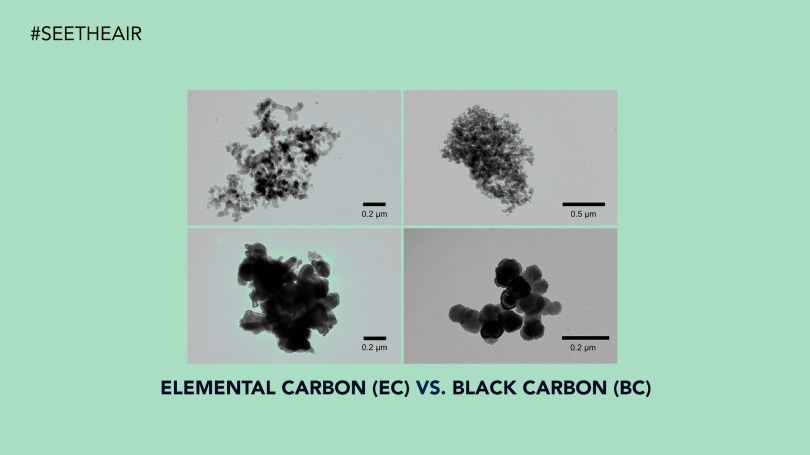
The terms Elemental Carbon (EC) and Black Carbon (BC) are both used to describe the product of incomplete combustion of fossil fuels, biomass, and biofuels, which is a significant component of aerosols (airborne particulate matter). While often used interchangeably in general discussion, they represent distinct concepts primarily tied to their respective measurement methodologies. Understanding this difference is crucial in air quality monitoring, climate science, and health studies.

Elemental Carbon (EC): The Reference Method

Elemental Carbon (EC) is the term associated with the reference method for measuring this specific fraction of carbonaceous aerosol.

  • Measurement Method: EC is quantified using thermal-optical analysis. This technique relies on the sequential heating of a filter sample to different temperatures in different atmospheres (non-oxidizing and oxidizing) to distinguish carbon fractions.
  • Standard Protocol: The EN 16909 standard is a prominent European standard for the determination of EC (and Organic Carbon, OC) in ambient air, often employing the thermal-optical reference technique.
  • Specific Protocol: The EUSAAR_2 thermal protocol is a common, specific thermal-optical protocol used to define the temperature steps and atmospheres for the measurement.
  • Charring Correction: A critical part of the thermal-optical method is the charring correction, typically based on the transmittance (or reflectance) of a laser beam through the filter. This corrects for the formation of “pyrolyzed” or “charred” organic carbon during the heating process, which can otherwise be misclassified as EC.
  • Definition: Conceptually, EC represents the carbon in its pure, elemental form—the refractory, graphitic, or amorphous carbon that is the most stable at high temperatures.
Read More »

Unveiling Urban Health: The ISGlobal Ranking of Cities and its Healthy Urban Design Index (HUDI)

In an era where urban populations continue to swell, understanding the intricate relationship between city design and public health is fundamental. The Barcelona Institute for Global Health (ISGlobal) has emerged as a leading voice in this field with its “ISGlobal Ranking of Cities” and the innovative “Healthy Urban Design Index (HUDI).” This comprehensive tool sheds light on the health impacts of urban exposures like air pollution, noise pollution, and access to green spaces across nearly 1,000 European cities.

The ISGlobal Ranking of Cities is more than just a list; it’s a dynamic project aimed at quantifying the health burdens attributable to urban and transport planning. It evaluates various environmental exposures and their associated mortality, presenting cities from the highest to lowest mortality due to these factors. You can explore the tool directly on the ISGlobal Ranking of Cities website.

At the heart of this initiative is the Healthy Urban Design Index (HUDI). The HUDI is a composite score that meticulously assesses the extent to which the configuration of European cities supports the health and well-being of their inhabitants. It examines 13 key indicators across four domains: urban design, sustainable transport, environmental quality, and green space accessibility. These indicators include factors such as urban compactness, housing density, walking and cycling infrastructure, public transport availability, air pollution levels, capacity to mitigate heat, and accessibility of green spaces. Each city receives a score between 0 and 10 for each indicator, culminating in an overall HUDI score.

Read More »

A Compromised Approach to Indoor Air Quality Assessment

Professionals in the field of indoor air quality sometimes compromise the accuracy of their assessments by opting for short-term sampling periods. While quick measurements can provide preliminary insights, they may not accurately reflect the dynamic nature of indoor air quality. Factors such as occupancy patterns, ventilation systems, and external influences can significantly impact pollutant concentrations over time. By relying on brief sampling periods, professionals risk drawing incorrect conclusions about long-term exposure risks and the effectiveness of mitigation strategies. To obtain a comprehensive understanding of indoor air quality, it is essential to employ continuous monitoring techniques or extended sampling periods that capture the full range of variations in pollutant levels.

Common Misconceptions about Air Quality Monitoring

A prevalent misconception in the field is the practice of taking short-term air samples, often lasting 10 minutes or an hour, to assess indoor air quality. While this approach might provide a snapshot of conditions at a specific moment, it fails to capture the full picture of air quality fluctuations over time. Such limited data can lead to inaccurate conclusions and potentially miss critical issues that may arise during occupied or unoccupied periods or under different operational conditions.

Comprehensive Air Quality Monitoring: A Holistic Approach

To effectively evaluate indoor air quality, a more comprehensive approach is required. Continuous monitoring systems equipped with sensors capable of measuring various pollutants, including carbon dioxide, volatile organic compounds (VOCs), particulate matter, and temperature and humidity, offer a more accurate and insightful assessment.

These systems can collect data at regular intervals, providing real-time insights into air quality trends and enabling timely interventions to address any issues that may arise.

Specific Pollutants and Monitoring Techniques

Different pollutants require specific monitoring techniques:

  • Particulate Matter: Regulatory limits for PM2.5 are commonly specified for 24-hour or annual averages. Consequently, sampling protocols should be designed to capture these temporal scales. The World Health Organization (WHO) has established guideline limits of 5 μg/m³ for the annual mean and 15 μg/m³ for the 24-hour mean of PM2.5.
  • Radon: Radon limits are based on annual concentrations. To accurately assess the average annual radon level in a home, it’s crucial to strategically place radon measurement devices in areas where occupants spend the most time, such as bedrooms, living rooms, and basements. The measurement period should ideally be at least 91 days to ensure a reliable estimate of the average annual exposure. However, to ensure an accurate assessment of the average annual radon level in a home, Health Canada recommends conducting radon tests over a period of 3 to 12 months. This timeframe allows for a comprehensive evaluation of radon fluctuations throughout the year and provides a reliable estimate of long-term exposure.
  • Gases: In many cases a diffusion tube, which is a scientific instrument designed to passively measure the concentration of specific gases (VOCs, NO2, etc.) in the air, is commonly used to track average air pollution levels over periods ranging from days to approximately a month. It’s important to note that longer sampling times generally improve the detection limits for low-concentration analytes, but they can also increase the risk of breakthrough, where analytes exceed the adsorbent capacity of the tube. Therefore, the optimal sampling time should be determined based on the specific analytical requirements and the characteristics of the sampling site. Additionally, continuous sensors, such as electrochemical, metal oxide, and UV absorption sensors, are employed to measure indoor gas concentrations. To ensure appropriate assessment against regulatory standards, the sampling duration should align with the specific timeframes established by these standards. For example, WHO has set a 24-hour limit of 25 μg/m³ for nitrogen dioxide (NO₂) and an 8-hour limit of 100 μg/m³ for ozone (O₃).
  • Carbon dioxide (CO2): CO2 monitoring in indoor spaces is essential for maintaining optimal ventilation rates and occupant well-being. An absolute threshold of around 800 or 1000 ppm has been established as a guideline for safe CO2 levels. To accurately assess CO2 concentrations, measurements should be taken when the room is fully occupied. This is because CO2 levels are primarily influenced by human activity, and empty spaces will not provide meaningful data. By monitoring CO2 levels during periods of maximum occupancy, we can ensure that the established threshold is not exceeded, reducing the risk of negative health impacts associated with poor indoor air quality. In certain cases, activities like cooking or burning candles can also contribute to elevated CO2 levels, necessitating additional monitoring considerations.

Air quality within buildings is not static; it fluctuates throughout the day due to various factors such as occupancy, activities, materials used, and environmental indoor and outdoor conditions like temperature, humidity, and air pressure. By understanding the dynamic nature of indoor air quality and employing appropriate monitoring techniques, building occupants can enjoy healthier and more productive environments.

Benchmarking: The Ultimate Catalyst for Better Air Quality Through Global Standards

This article first appeared on www.goaqs.org

Air quality is an invisible yet pervasive factor influencing our health, productivity, and overall well-being. While awareness of air pollution is growing, translating that awareness into actionable behavioral change remains a significant challenge. The key to unlocking this transformation lies in the power of benchmarking—a potent tool that, when coupled with global standards like the proposed Global Air Quality Standard (GO AQS), can empower individuals and communities to breathe cleaner air.

The Power of Comparison: Learning from Other Fields

The effectiveness of benchmarking as a driver for improvement is not a new concept; it has long been a cornerstone of success in diverse fields. Consider the world of athletics: elite athletes constantly benchmark their performance—speed, strength, endurance—against competitors in their category. This isn’t about shaming, but about identifying areas for improvement. A runner who sees their sprint times lagging behind others in their age group knows exactly where to focus their training. Similarly, in healthcare, patients track metrics like blood pressure or cholesterol against established healthy ranges or anonymized data from similar patient populations. This comparison provides a clear understanding of their health status, prompting necessary lifestyle changes or medical interventions.

A practical, personal example vividly illustrates this point: as an individual tracking my resting heart rate through an app that allows comparison against +56,000 users worldwide. Seeing a “superb” rating, indicating excellent heart aging, provides tangible positive reinforcement and validates my health efforts. Conversely, a less favorable comparison would flag a problematic area, encouraging focused action. This simple yet powerful mechanism of comparison fosters accountability and motivates behavioral adjustments.

Read More »

GO AQS and ASIC 2025 on Technology & Air Quality (Join Us in Thailand!)

For too long, the focus on air quality has primarily been on the outdoor environment. But the truth is, we spend the vast majority of our time indoors – in our homes, offices, and schools. That’s why the arrival of the Global Open Air Quality Standards (GO AQS) marks a monumental shift. This initiative is the first of its kind to establish a set of limits specifically for indoor air quality, with the primary goal of safeguarding human health. We’re excited to announce that GO AQS will be presenting our work at the ASIC 2025 conference in Thailand, and we invite tech companies and air quality experts to join us there to learn more.

GO AQS recognizes that the air we breathe within our buildings has a direct and significant impact on our well-being, productivity, and even our long-term health. But how can buildings effectively monitor and manage their indoor air to meet these new standards? The answer lies in the advancements of air quality technology, particularly the rise of low-cost monitors (LCMs).

Historically, the gold standard for air quality measurement has been reference-grade instruments. While incredibly accurate, these devices come with a hefty price tag, making widespread deployment within buildings economically prohibitive. Furthermore, they are often bulky, noisy, and energy-intensive, rendering them impractical for continuous monitoring in occupied spaces like bedrooms, offices, or classrooms. Crucially, these sophisticated instruments are typically not designed to integrate with building automation systems (BAS), hindering real-time control and response to air quality issues.

Read More »

A DIY Ventilation Solution for Renters

Renting an apartment often means limited control over modifications, especially when it comes to essential systems like ventilation. Poor indoor air quality can significantly impact health and well-being, but drilling holes for traditional ventilation systems is usually out of the question. This article presents a simple, affordable DIY project using a standard air purifier to bring fresh, filtered air into your rented space without any permanent alterations.

The Problem: Stale Indoor Air and Renting Restrictions

Old apartments but also modern, energy-efficient apartments can sometimes suffer from poor ventilation, leading to a buildup of indoor pollutants like CO2, volatile organic compounds (VOCs), and particulate matter. While opening windows is a simple solution, it’s not always practical due to weather, noise, or outdoor air pollution. Renters often face the added challenge of not being allowed to make structural changes, ruling out traditional ventilation installations.   

The DIY Solution: Air Purifier Ventilation

This project uses a standard standalone air purifier in a novel way to introduce fresh, filtered outdoor air. The key components are:

  • A Standard Air Purifier: Choose one with a HEPA filter for particulate matter and a carbon filter for gases. Programmable models are highly recommended for automation.
  • Flexible Tubing and Window Adapter: These connect the air purifier’s intake to a slightly opened window. You can find suitable tubing and adapters at most hardware stores for around €15.
Read More »

Alveolar Sacs and Particulate Matter: A Deep Dive into Respiratory Health

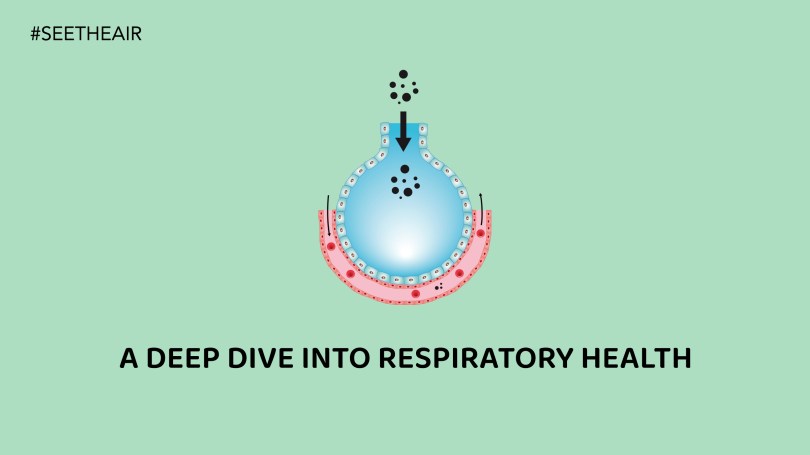
The respiratory system is a complex network responsible for the vital exchange of oxygen (O2) and carbon dioxide (CO2). At the heart of this system lie the alveoli, tiny air sacs where this gas exchange occurs. However, these delicate structures are also vulnerable to the intrusion of harmful particles, which can have serious health consequences.   

The Journey of Inhaled Particles

When we breathe, we inhale a variety of particles, including dust, smoke pollutants, and pathogens. The size of these particles plays a crucial role in determining how far they travel into our respiratory system. Larger particles are typically trapped in the upper airways, while smaller ones can penetrate deeper into the lungs.   

Read More »

2024: Year in Review – See The Air 🔁 2️⃣0️⃣2️⃣4️⃣

A Year of Air Quality Awareness

2024 was a year marked by increased global awareness of air quality issues. Our blog, See The Air, played a pivotal role in disseminating critical information and fostering a community of informed individuals.

With over 196K users visiting our site, primarily through Google Search and LinkedIn, we are proud to have contributed to a more informed and healthier world.

The recent updates to the PM2.5 limits by the European Union and the US EPA signify a significant step forward in prioritizing public health. By lowering the acceptable levels of these harmful fine particulate matter, these regulatory bodies are acknowledging the strong scientific evidence linking PM2.5 exposure to respiratory diseases, heart problems, and premature death. These stricter standards will drive efforts to reduce air pollution from industrial emissions, transportation, and other sources, ultimately leading to cleaner air and healthier populations.

Read More »

Why Millions in India Breathe Toxic Air

Air pollution is a major health crisis in India. Millions of people in the country are exposed to unhealthy levels of air pollution every day. This is a serious problem that can lead to a variety of health problems, including respiratory diseases, heart disease, and even cancer.   

There are a number of reasons why air pollution is so bad in India. One reason is the large number of vehicles on the roads. India has a rapidly growing economy, and this has led to a surge in the number of cars, trucks, and motorcycles on the roads. These vehicles emit a lot of pollutants into the air.   

Another reason for air pollution in India is industrial activity. India is a major industrial power, and factories and other industrial facilities emit a lot of pollutants into the air.   

Finally, agricultural burning is also a major source of air pollution in India. Farmers often burn crop stubble after harvest, and this can create a thick haze of smoke that can linger for days.   

The Health Effects of Air Pollution

Air pollution can have a serious impact on human health. Short-term exposure to air pollution can cause respiratory problems, such as coughing, wheezing, and shortness of breath. Long-term exposure to air pollution can lead to more serious health problems, such as heart disease, stroke, lung cancer, and even death.   

Read More »

Breathe Easy Together: Register Now for The Safer Air Project Report Launch!

Creating a world where everyone can breathe safely indoors.

The pandemic has highlighted a critical truth: many diseases spread through the air we breathe. This makes clean indoor air essential for minimizing the risk of infection in our shared spaces, especially for those most vulnerable to airborne illnesses. Everyone deserves the right to access public spaces safely, and that right starts with clean air.

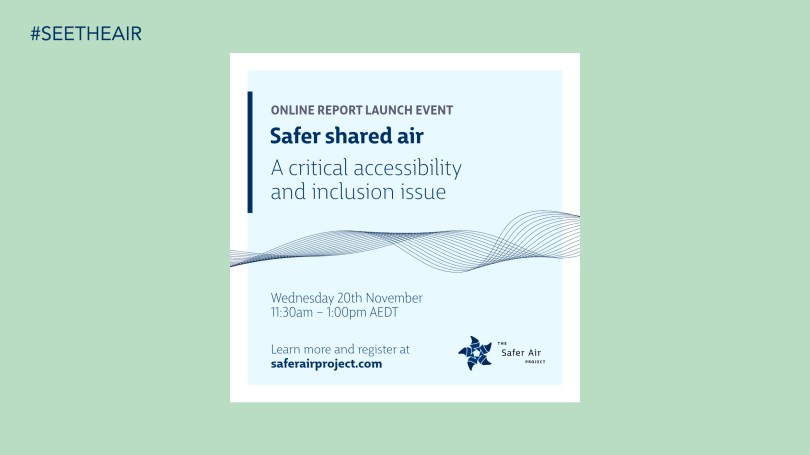
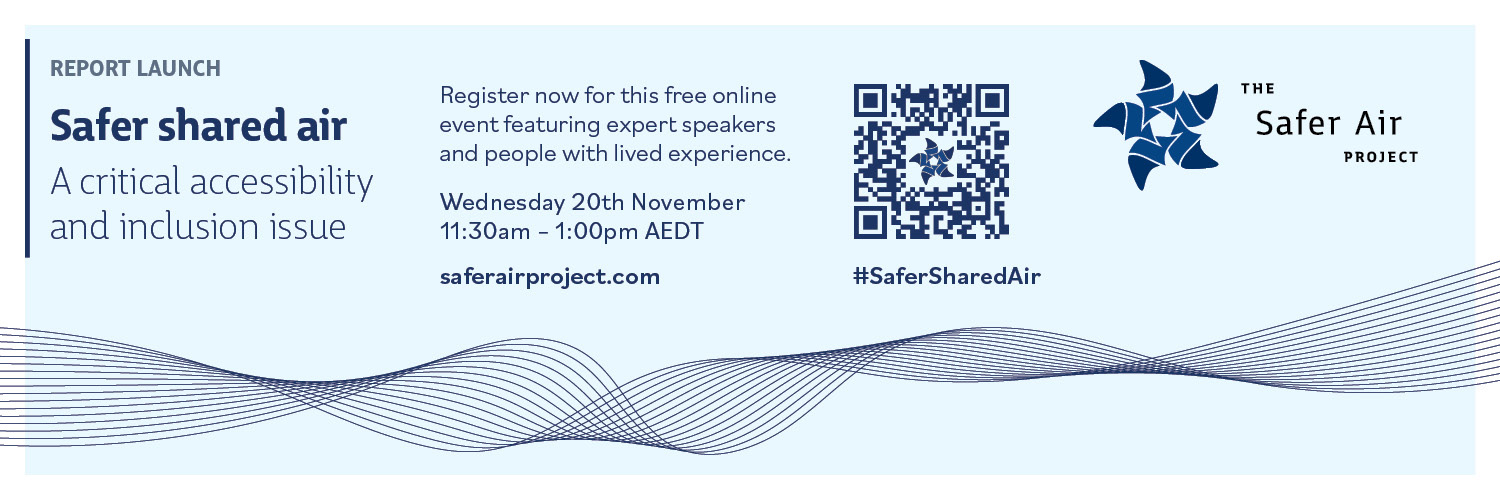
The Safer Air Project is excited to invite you to the online launch of our groundbreaking report, Safer Shared Air: A Critical Accessibility and Inclusion Issue. Join us to explore the importance of clean indoor air for public health and accessibility.

Here’s what you can expect:

  • Discover why safer shared air is a critical accessibility and inclusion issue.
  • Learn how we can work together to ensure healthier indoor air for everyone.
  • Gain insights from our report on the impact of poor indoor air quality and its connection to public health and inclusion.

This event is free and open to everyone!

Register now: https://www.saferairproject.com/

Together, we can create a world where everyone breathes safely indoors. Don’t miss this important discussion!