5 European Cities Air Quality

Air Quality Report from 5 Major European Cities

European cities are showing significant progress in combating air pollution, according to data collected from active official traffic air quality stations. There are positive trends which translate to cleaner air for residents, with reductions in harmful pollutants like PM2.5 and NO2. This article explores the known strategies that these cities have implemented to achieve such remarkable improvements, offering valuable insights for other urban centers striving for a healthier future.

These are the 5 cities and traffic air quality stations that I have analyzed data from.

  • Berlin DEBE068 (B Mitte, Brückenstraße)
  • Madrid ES0118A (Escuela Aguirre)
  • Rome IT1906A (Arenula)
  • Paris FR04012 (Place Victor Basch)
  • Athens GR0003A (Aristotelous)
European Air Quality Network – Active and Inactive Air Quality Stations
Read More »

The European Union Agreed on New Rules & PM2.5/NO2 Limits for Cleaner Air

On February 20, 2024, the Council of the EU released a press release that discusses the agreement reached by the Council and Parliament to strengthen air quality standards in the EU. The new standards are expected to improve air quality and reduce premature deaths. They will be reviewed regularly and could be further strengthened in the future.

EU lawmakers have joined forces to strengthen air quality standards by 2030. These new, stricter limits and targets align more closely with World Health Organization (WHO) recommendations and will be subject to regular review. The updated directive tackles a range of air pollutants, including fine particles (PM2.5 and PM10), nitrogen dioxide (NO2), sulphur dioxide (SO2), and even toxic metals like arsenic and lead. Each pollutant has its own specific standard, with the most significant reductions targeting those posing the greatest health risks. For example, annual limits for PM2.5 and NO2 will be more than halved, dropping from 25 µg/m³ to 10 µg/m³ and 40 µg/m³ to 20 µg/m³, respectively.

Read More »

Saving Lives, Breath by Breath: Learn about WHO AirQ+ (Free Software)

Air pollution hangs heavy over many parts of the world, silently claiming millions of lives each year. Researchers and policymakers are locked in a crucial battle against this invisible enemy, and WHO AirQ+ software serves as a powerful weapon in their arsenal. Available for macOS, MS Windows, and Linux in English, French, German, Russian and Spanish.

This free, user-friendly software, developed by the World Health Organization (WHO), quantifies the health impacts of air pollution. It’s not just about measuring harmful particles or gases; it translates those numbers into real-world consequences, shedding light on the human cost of poor air quality.

How AirQ+ Works:

  • Estimates Health Effects: Enter air pollution data for a specific location, and AirQ+ calculates the burden of diseases attributed to various pollutants like particulate matter (PM), ozone, and nitrogen dioxide. This includes premature deaths, respiratory illnesses, and other health problems.
  • Short-Term & Long-Term Impact: Analyze both immediate effects from spikes in pollution and the accumulated burden from chronic exposure.
  • Future Scenarios: Model the potential health benefits of interventions like reducing emissions or switching to cleaner fuels. Imagine thousands of lives saved, just by seeing the numbers.
Read More »

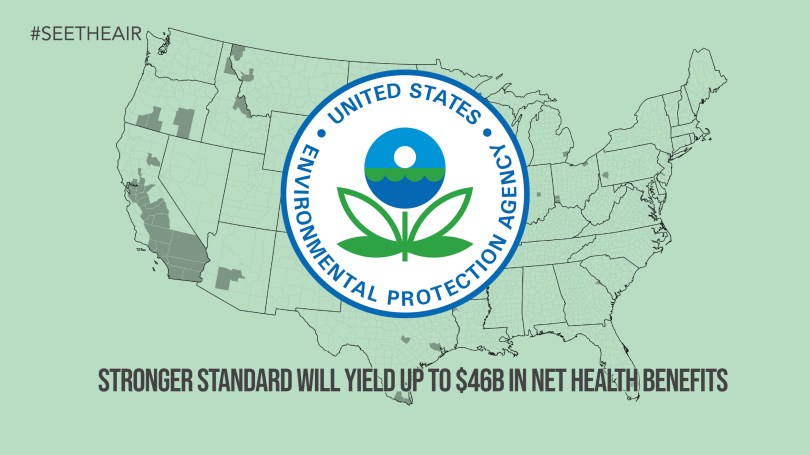
US EPA Finalizes New Standards for Harmful Particulate Matter (PM2.5)

In a landmark decision, on February 7th, 2024 the Environmental Protection Agency (EPA) unveiled stricter regulations for fine particulate matter, a major air pollutant linked to numerous health problems. This marks the first update to the EPA’s standards in over a decade, and officials anticipate it will save thousands of American lives annually. Fine particulate matter, often referred to as “soot,” penetrates deep into lungs and even enters the bloodstream, posing significant health risks.

Read More »

Ventilation Challenges and Pathogen Spread in High-Polluted Environments

Indoor air quality (IAQ) is a crucial aspect of human health and well-being. However, achieving adequate ventilation in homes and other indoor spaces can be challenging, particularly when outdoor air pollution levels are elevated due to smoke from wood-burning stoves. This article explores why poor ventilation in polluted environments poses a heightened risk of pathogen spread.

Factors Hindering Ventilation in Polluted Environments

Wood-burning stoves, used for heating and cooking, release particulate matter (PM), nitrogen oxides (NOx), and carbon monoxide (CO) into the atmosphere. These pollutants can accumulate in extended areas, especially under certain weather conditions. Normally, warm air rising from the ground carries pollution upwards, dispersing it into the atmosphere. However, during the winter, a warm layer of air can settle over a city like a lid, trapping cold air and pollutants near the ground. This phenomenon, known as a thermal inversion, occurs when a warm air mass above restricts the upward movement of cold, denser air, trapping it along with pollutants close to the surface. Thermal inversions are particularly prevalent in cities like Los Angeles, Mumbai, Granada, and Mexico City, where cold, dense air gets confined within mountain basins or valleys.

Read More »

Air Pollution Chronicle (Granada, Spain Edition)

They say that good air quality is a fundamental right for all, and at the same time, they say that 99% of the population worldwide is exposed to air pollution above WHO Air Quality Guidelines. Mixed messages here. Even though I have already shared the story on a Tweet thread, I decided to write an article as well because of the permanence of the article and because it is easier to share.

December 17th, 2023

I arrived in Granada, Spain for the holidays. A blanket of smoke was covering Granada and the small towns around with a total area of over 100 km2. Although I was super tired, the intense smell of smoke inside the apartment and the fact that I knew that there was a lot of particulate pollution indoors didn’t permit me to sleep well.

Read More »

Cozy Fireplaces, Clouded Lungs: Why Wood Burning Stoves are a Holiday Health Hazard

The holidays conjure up images of crackling fires, warm hearths, and cozy evenings. But for many, especially those living in communities with widespread wood burning, this idyllic picture masks a grim reality: a significant decline in indoor and outdoor air quality. Wood burning stoves, while charming and nostalgic, are a major contributor to indoor and outdoor air pollution, posing serious health risks to both the occupants of the house and the surrounding community.

Indoor Air: A Smoky Trap

Burning wood releases a cocktail of harmful pollutants, including fine particulate matter (PM2.5), carbon monoxide, nitrogen oxides, and volatile organic compounds (VOCs). These microscopic particles can easily infiltrate the lungs and bloodstream, causing a range of health problems:

Read More »

Warming Up your Vehicle in Winter is Dangerous for your Health & Illegal (US Version)

As we face the frigid temperatures brought by polar vortexes in the US, the last thing anyone wants is to enter a freezing cold car. However, it is important to note that in many states, warming up your vehicle by letting it idle is actually illegal.

Regardless of the duration, idling is considered an automatic misdemeanor in most states. Surprisingly, even using the automatic start feature on your car can be against the law in some states. The penalties for idling vary depending on the jurisdiction. For example, in Washington D.C., you could face a $5,000 fine if your car idles for just three (3) minutes. However, some states are more lenient, like Pennsylvania, where idling is allowed for up to twenty (20) minutes when the temperature is below 40ºF (4ºC).

Read More »

Outdoor Air Quality Monitors 2023Q4

What’s new? Well, some clean up of discontinued monitors and some updates. In this list you will find ambient air quality monitors for experts who want to supervise and monitor air pollutants in cities and industrial sites, and commercial outdoor air quality monitors for homeowners who want to check the air quality outside their houses/apartments. 

Air pollution can cause a range of health problems, including respiratory and cardiovascular diseases (CVD), and even premature death. By monitoring ambient air quality, governments and individuals can take steps to reduce exposure to harmful pollutants and protect public health.

Read More »

Interview – Airport Series: #2 Living With Airport Pollution: A Remote Community’s Struggle with Military Operational Area

For privacy reasons the name of the interviewee has been changed.

Jake lives in a remote desert community located in a Military Operational Area (MOA) in the southwestern United States. His town is 90-120 miles away from two major military airports that are the main source of noise and air pollution in our area.

His family moved there in 2021, attracted to the quiet and scenic landscape. However, they soon noticed increased aviation activity, especially overnight flights that interrupt sleep multiple times a night. Although he can’t confirm an increase in flights, the noise pollution seems worse, with persistent droning lasting for hours in the early mornings and evenings. The noise easily penetrates our brick home.

The worst pollution comes from noisy C130s cargo planes, fighter jet passes, and helicopters, often conducting night training and looping for hours across vast distances. He has calculated these planes can be heard indoors from over 20 miles away. The noise affects his sleep, requiring daytime naps which in turn impact his work. He has experienced vestibular symptoms and severe vibration sensitivity both of which were induced by low-flying military helicopters at his old residence where he had around 10 flyovers a day. Each flyover could be multiple helicopters. from the noise exposure. Weekend nights are a respite they look forward to.

Read More »