UNE 171380:2024 − Continuous Measurement of CO2 Indoors to Improve the Health and Well-being of Users

The Spanish Association for Standardization presented the new UNE 171380 standard on CO2 monitoring for health prevention. The University of Seville has played a significant role in the development of these regulations through the Architecture, Heritage and Sustainability Research Group: Acoustics, Lighting, Optics and Energy, represented by researchers Samuel Domínguez and Miguel Ángel Campano.

This standard is a great achievement in the prevention of airborne disease transmission, based on everything learned after the SARS-CoV-2 health emergency, and transparent information to the public about the air quality of establishments.

Read More »
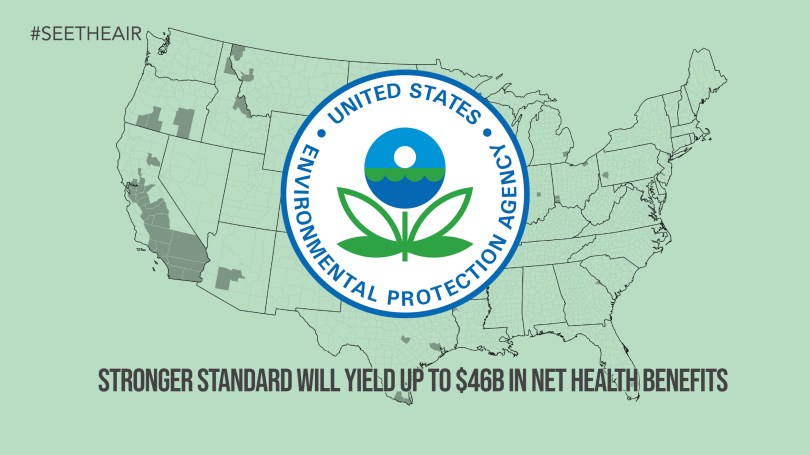
US EPA Finalizes New Standards for Harmful Particulate Matter (PM2.5)

In a landmark decision, on February 7th, 2024 the Environmental Protection Agency (EPA) unveiled stricter regulations for fine particulate matter, a major air pollutant linked to numerous health problems. This marks the first update to the EPA’s standards in over a decade, and officials anticipate it will save thousands of American lives annually. Fine particulate matter, often referred to as “soot,” penetrates deep into lungs and even enters the bloodstream, posing significant health risks.

Read More »

BS 40102 – A Two Part Standard on Health, Wellbeing, Thermal Comfort, and Indoor Air Quality

The BS 40102, a fresh standard introduced in 2022 (draft released) by the British Standards Institute, focuses on assessing the health, wellbeing, and indoor environmental quality (IEQ) of buildings. It incorporates an updated best-practice method for addressing thermal comfort, indoor air quality, and overheating in buildings.

Regarding the new exposure limits, they are derived from various sources, including the DEFRA Daily Air Quality Index, WHO Air Quality Guidelines 2021, BREEAM and WELL Guidelines, and British Standard BS EN 16798-1.

Part 1 – Health and Wellbeing in Buildings

  • BS 40102-1 gives recommendations for the measuring, monitoring and reporting of the well-being and IEQ performance of an occupied building and the associated building services.
  • BS 40102-1 provides an evaluation and rating system (IEQ performance score), the aim of which is to enhance IEQ, to create healthier buildings and improve the well-being of building occupants; including but not limited to staff, visitors, tenants and customers. 
Read More »