

Over-the-range hood microwaves offer the convenience of a combined microwave and “ventilation” system. However, a common misconception is that they effectively remove cooking fumes and pollutants from the kitchen. While they do have a fan system, it’s crucial to understand their limitations.
Recirculation vs. True Ventilation:
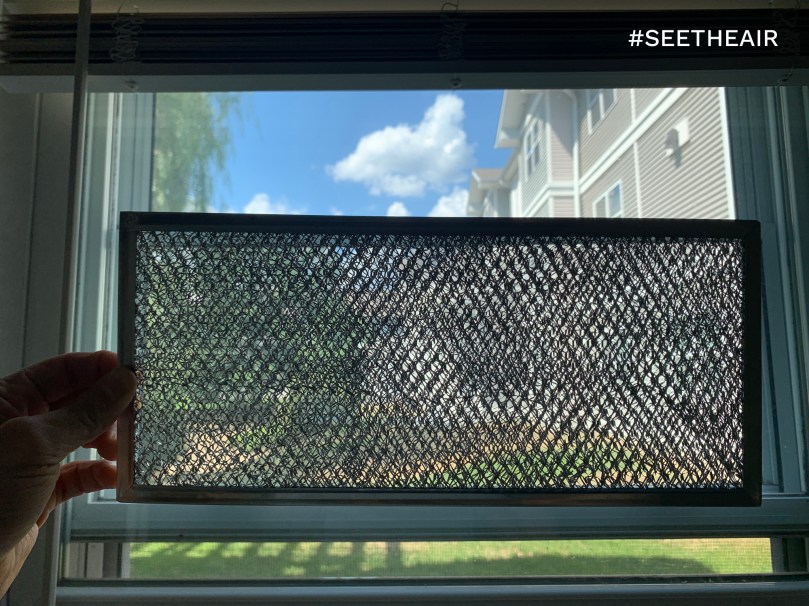
Unlike range hoods that vent exhaust outdoors, most over-the-range microwaves utilize a recirculation system. This means they draw in cooking fumes, grease, and moisture through a metallic mesh filter with holes bigger than a Swiss cheese, then release the “treated” air back into the kitchen.
Air Quality Concerns:
The concern lies in the limited effectiveness of these built-in filters. Standard filters in over-the-range microwaves primarily capture grease droplets. While they may help somewhat with odors, when equipped with carbon filters, they are not designed to effectively remove harmful pollutants like smoke, nitrogen dioxide, and fine particulate matter (PM2.5).
Impact on Health:
Studies have shown that recirculated air from microwaves can still contain significant levels of PM2.5, a major health hazard. Exposure to these pollutants can exacerbate respiratory problems like asthma and increase the risk of cardiovascular diseases.
Addressing the Issue:
- Utilizing Range Hoods: For efficient removal of cooking fumes and improved indoor air quality, a properly vented range hood is recommended. Look for models with strong CFM (cubic feet per minute) ratings, indicating higher air filtering capacity.
- Maintaining Filters: Over-the-range microwaves with recirculation systems still require regular filter cleaning or replacement as per the manufacturer’s instructions. Neglected filters become clogged and lose effectiveness.
Additional Tips:
- Open windows while cooking: Increase ventilation by opening windows whenever possible to allow fresh air to enter the kitchen and help dissipate fumes.
- Consider countertop air purifiers: Air purifiers specifically designed to capture PM2.5 can offer an extra layer of filtration, especially in homes with frequent cooking activity.
Conclusion:
Over-the-range microwaves provide a convenient solution for space-saving kitchens. However, it’s essential to acknowledge that their built-in ventilation systems are severe limited to a point that they create hazardous indoor environments for occupants. Consumers should be aware that these appliances primarily recirculate air and may not adequately address the issue of indoor air quality, particularly regarding PM2.5. Manufacturers must advertise the limitations of their products (in most cases they are misleading) and governments need to control such appliances with proper regulations. For effective removal of fumes and pollutants, opting for a properly vented range hood remains the recommended solution.
Discover more from See The Air
Subscribe to get the latest posts sent to your email.
 See The Air
[…] This method is less effective at removing moisture and pollutants. Recirculated air can contain significant levels of fine particulate matter (PM2.5). This poses a major health hazard. Exposure to these pollutants can worsen respiratory problems and […]
LikeLiked by 1 person