
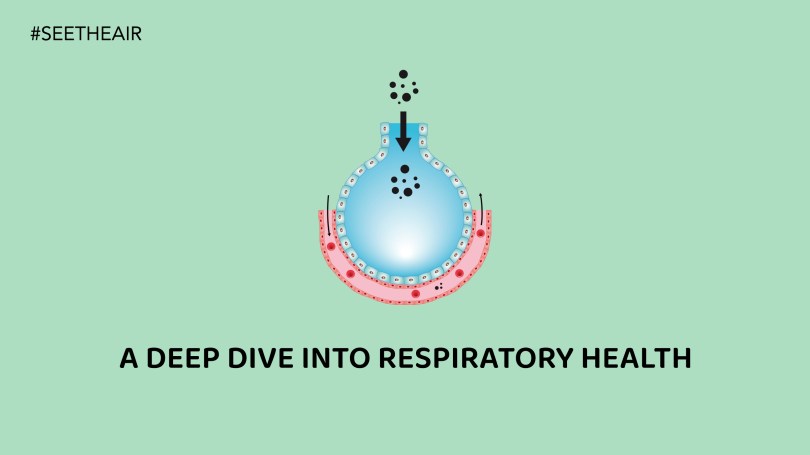
The respiratory system is a complex network responsible for the vital exchange of oxygen (O2) and carbon dioxide (CO2). At the heart of this system lie the alveoli, tiny air sacs where this gas exchange occurs. However, these delicate structures are also vulnerable to the intrusion of harmful particles, which can have serious health consequences.
The Journey of Inhaled Particles
When we breathe, we inhale a variety of particles, including dust, smoke pollutants, and pathogens. The size of these particles plays a crucial role in determining how far they travel into our respiratory system. Larger particles are typically trapped in the upper airways, while smaller ones can penetrate deeper into the lungs.
Particles with an aerodynamic diameter of about 0.003 to 5 µm (aka fine and ultra-fine particles) are of particular concern as they can reach the tracheobronchial and alveolar regions. The primary mechanism for their deposition in these areas is sedimentation. As the air flow slows down in the lower respiratory tract, these particles settle out.
Alveolar Sacs: Almost the Final Destination
The alveolar sacs are the terminal air spaces in the lungs, where the crucial exchange of O2 and CO2 with the bloodstream takes place. Their thin walls and rich capillary network facilitate this exchange. However, this close proximity to the bloodstream also makes them susceptible to particulate matter.
When small particles reach the alveoli, they can penetrate the thin walls and enter the bloodstream. This can trigger a range of adverse health effects, depending on the nature and size of the particles.

Health Implications of Particulate Matter
The entry of particles into the bloodstream can lead to various health problems, including:
- Inflammation: Particles can trigger inflammation in the lungs and other organs, contributing to respiratory diseases like asthma and chronic obstructive pulmonary disease (COPD).
- Cardiovascular Issues: Fine and ultra-fine particles can pass through the lungs into the circulatory system, impacting the heart and blood vessels, potentially leading to heart attacks and strokes.
The Importance of Particle Size in Respiratory Treatment
The size of inhaled particles is also a critical factor in topical respiratory treatments, such as inhalers and nebulizers. To effectively target the lower respiratory tract, these treatments should ideally utilize particles with a mass median aerodynamic diameter (MMAD) between 0.5 and 5 µm. This size range ensures that the particles can reach the alveolar region, where they can exert their therapeutic effects. This is what is known as the breathable fraction of an aerosol.
Protecting Our Body
Understanding the mechanisms by which particles contaminate our lungs highlights the importance of protecting our respiratory health. Avoiding exposure to pollutants, wearing masks in hazardous environments, and maintaining a healthy lifestyle are crucial steps in safeguarding our lungs. Keep in mind, while the lungs are the primary entry point for inhaled particles, the health consequences extend far beyond the respiratory system. Once these particles enter the bloodstream through the alveoli, they can travel to other organs and tissues, causing damage and dysfunction.
References
- Tena, A. F., & Clarà, P. C. (2012). Deposition of inhaled particles in the lungs. Archivos De Bronconeumología, 48(7), 240–246. https://doi.org/10.1016/j.arbr.2012.02.006
- Government of Canada, Canadian Centre for Occupational Health and Safety. (2024, May 10). How do particulates enter the respiratory system? https://www.ccohs.ca/oshanswers/chemicals/how_do.html
Discover more from See The Air
Subscribe to get the latest posts sent to your email.
 See The Air
Great topic thank you
LikeLiked by 1 person