Book Review: The Time Thief by Simon Jones

In The Time Thief — The Broken Promise of Our Buildings and the Fight for the Air We Breathe, Simon Jones presents a sobering “manifesto” that unmasks a silent systemic failure within our modern built environment. While the title might initially evoke a sense of mystery, Simon meticulously explains throughout the narrative that the “Time Thief” is not a metaphor, but a literal description of how poor indoor air quality and structural failures rob us of our literal lifespan. By detailing the physiological and societal toll of the “invisible pollutants” that compromise human health, Simon justifies his chosen title, demonstrating how the very buildings intended to protect us are, in fact, stealing years of our lives.

Throughout the book, Simon anchors his argument in four fundamental truths that challenge our complacency regarding the built environment.

The Truth of the Inhalable Diet

One of the most striking “truths” shared by experts like Tanya Kaur Bedi is the concept of the “inhalable diet”. While society is obsessed with the quality of the 2,000 calories we eat daily, we largely ignore the 10,000 to 15,000 liters of air we consume every single day. This truth highlights a dangerous double standard: we would never accept lead-contaminated tap water, yet we routinely accept air filled with a “transparent chemical soup” of VOCs, particulates, and nitrogen dioxide.

The Truth of Compliance vs. Safety

A central theme discussed by experts like Nathan Wood and Chris Rush is the “race to the bottom” regarding building standards. The book argues that “compliant” does not mean “safe,” as minimum legal standards often become the maximum ambition for developers. This truth reveals a culture where ventilation is treated as a technical add-on or a “toaster” to be plugged in and forgotten, rather than a critical “life-safety system” comparable to a fire alarm.

The Truth of Data and Visibility

The book champions the “Data Truth” as a primary tool for accountability. Experts like Jenny Danson, myself and others emphasize that because poor air quality is invisible, it does not trigger the same visceral response as a visible threat like a mouldy wall. By using low-cost monitors to make the invisible measurable, residents and workers can finally demand healthier environments and move away from “tenant-blaming” toward evidence-based structural changes.

The Truth of Health Inequity

Perhaps the most painful truth Jones explores is the “postcode lottery” of air quality. Experts note that the ability to breathe clean air has become a luxury tied to wealth and geography, creating a “triple jeopardy” where the most vulnerable people often live in the most polluted, poorly maintained environments with the least power to change them. Jones and contributors like José Luis Castro argue that clean indoor air must be defended as a universal human right rather than a premium feature.

The Time Thief is ultimately an urgent call to break the silos between the medical community and the construction industry. It moves beyond technical jargon to present air quality as a moral issue, forcing us to choose between continuing to normalize building failure or taking collective responsibility for the air that literally shapes our lives.

I highly recommend this book for anyone interested in health, architecture, or social justice. It moves beyond technical jargon to present air quality as a moral issue, forcing us to choose between continuing to normalize building failure or taking collective responsibility for the air that shapes our lives.

You can find the book here: The Time Thief on Amazon

Benchmarking: The Ultimate Catalyst for Better Air Quality Through Global Standards

This article first appeared on www.goaqs.org

Air quality is an invisible yet pervasive factor influencing our health, productivity, and overall well-being. While awareness of air pollution is growing, translating that awareness into actionable behavioral change remains a significant challenge. The key to unlocking this transformation lies in the power of benchmarking—a potent tool that, when coupled with global standards like the proposed Global Air Quality Standard (GO AQS), can empower individuals and communities to breathe cleaner air.

The Power of Comparison: Learning from Other Fields

The effectiveness of benchmarking as a driver for improvement is not a new concept; it has long been a cornerstone of success in diverse fields. Consider the world of athletics: elite athletes constantly benchmark their performance—speed, strength, endurance—against competitors in their category. This isn’t about shaming, but about identifying areas for improvement. A runner who sees their sprint times lagging behind others in their age group knows exactly where to focus their training. Similarly, in healthcare, patients track metrics like blood pressure or cholesterol against established healthy ranges or anonymized data from similar patient populations. This comparison provides a clear understanding of their health status, prompting necessary lifestyle changes or medical interventions.

A practical, personal example vividly illustrates this point: as an individual tracking my resting heart rate through an app that allows comparison against +56,000 users worldwide. Seeing a “superb” rating, indicating excellent heart aging, provides tangible positive reinforcement and validates my health efforts. Conversely, a less favorable comparison would flag a problematic area, encouraging focused action. This simple yet powerful mechanism of comparison fosters accountability and motivates behavioral adjustments.

Read More »

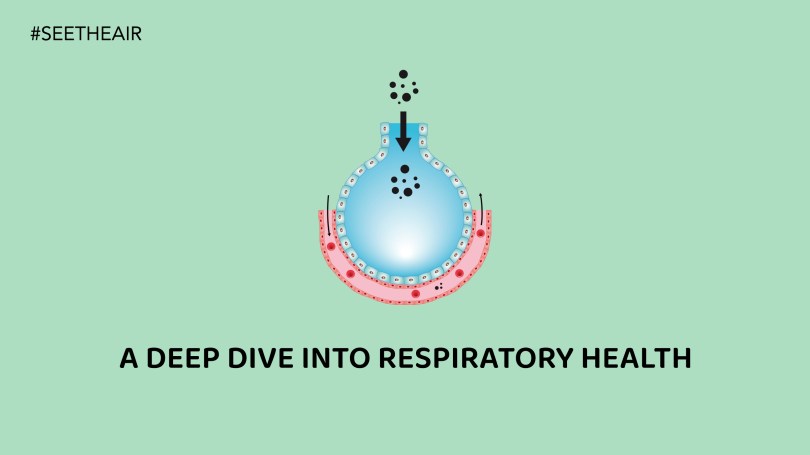
Alveolar Sacs and Particulate Matter: A Deep Dive into Respiratory Health

The respiratory system is a complex network responsible for the vital exchange of oxygen (O2) and carbon dioxide (CO2). At the heart of this system lie the alveoli, tiny air sacs where this gas exchange occurs. However, these delicate structures are also vulnerable to the intrusion of harmful particles, which can have serious health consequences.   

The Journey of Inhaled Particles

When we breathe, we inhale a variety of particles, including dust, smoke pollutants, and pathogens. The size of these particles plays a crucial role in determining how far they travel into our respiratory system. Larger particles are typically trapped in the upper airways, while smaller ones can penetrate deeper into the lungs.   

Read More »

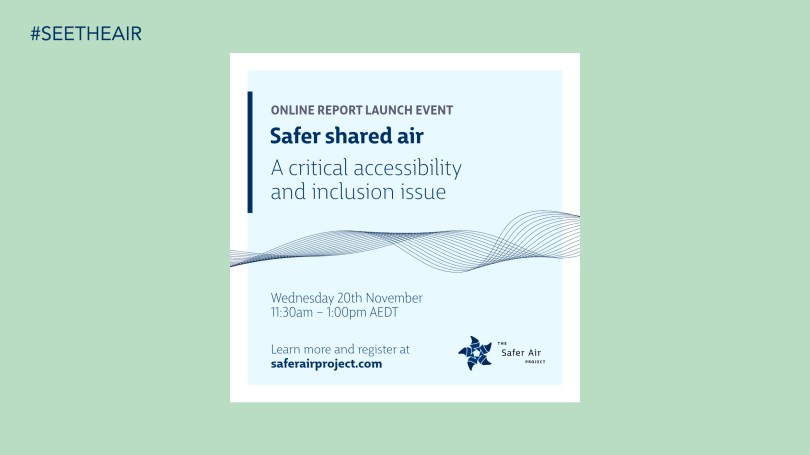
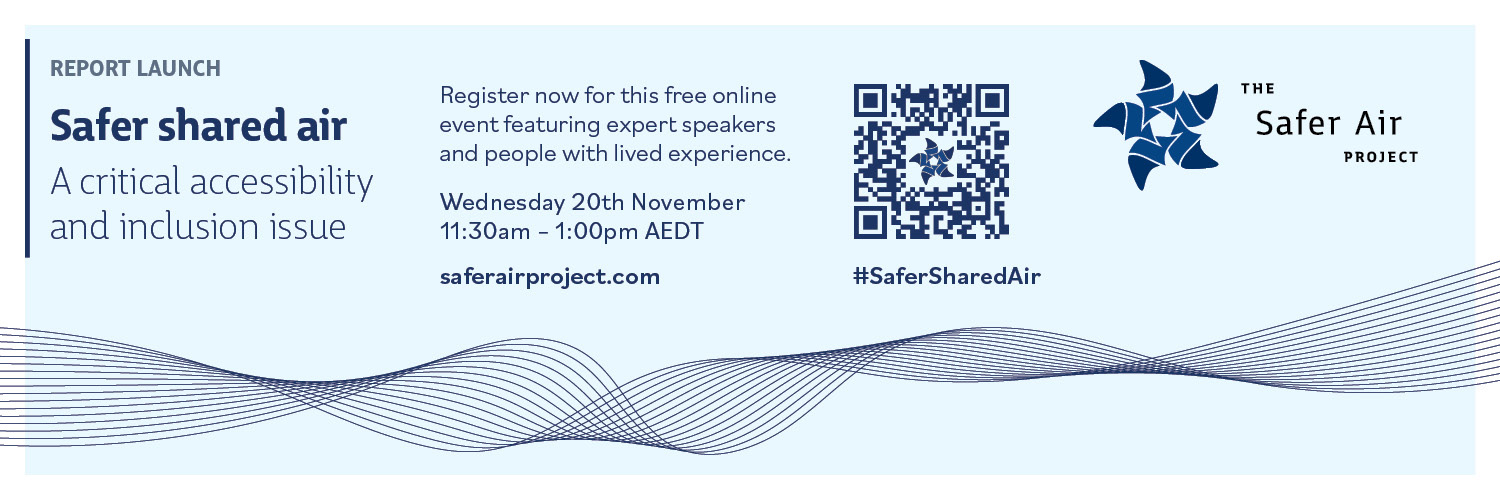
Breathe Easy Together: Register Now for The Safer Air Project Report Launch!

Creating a world where everyone can breathe safely indoors.

The pandemic has highlighted a critical truth: many diseases spread through the air we breathe. This makes clean indoor air essential for minimizing the risk of infection in our shared spaces, especially for those most vulnerable to airborne illnesses. Everyone deserves the right to access public spaces safely, and that right starts with clean air.

The Safer Air Project is excited to invite you to the online launch of our groundbreaking report, Safer Shared Air: A Critical Accessibility and Inclusion Issue. Join us to explore the importance of clean indoor air for public health and accessibility.

Here’s what you can expect:

  • Discover why safer shared air is a critical accessibility and inclusion issue.
  • Learn how we can work together to ensure healthier indoor air for everyone.
  • Gain insights from our report on the impact of poor indoor air quality and its connection to public health and inclusion.

This event is free and open to everyone!

Register now: https://www.saferairproject.com/

Together, we can create a world where everyone breathes safely indoors. Don’t miss this important discussion!