
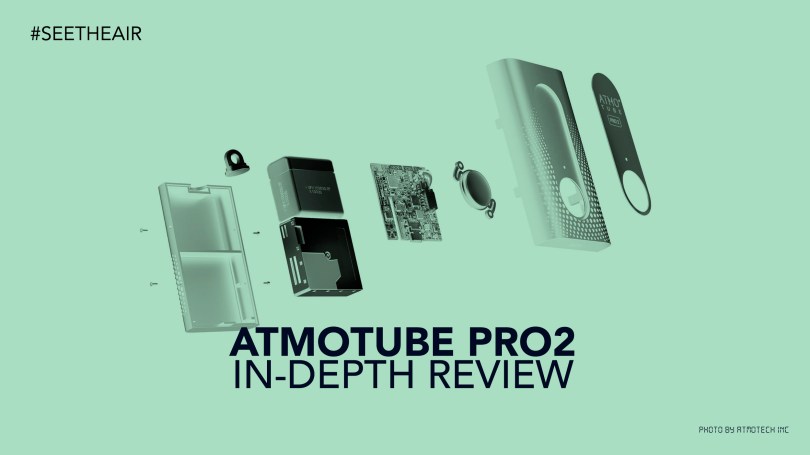
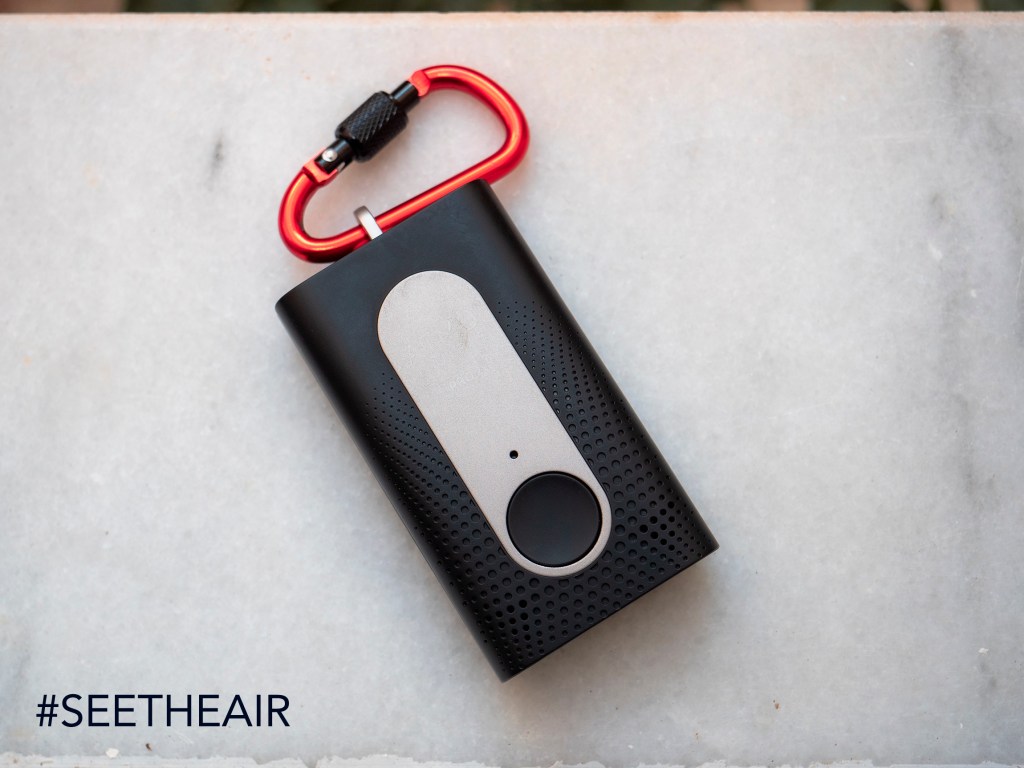
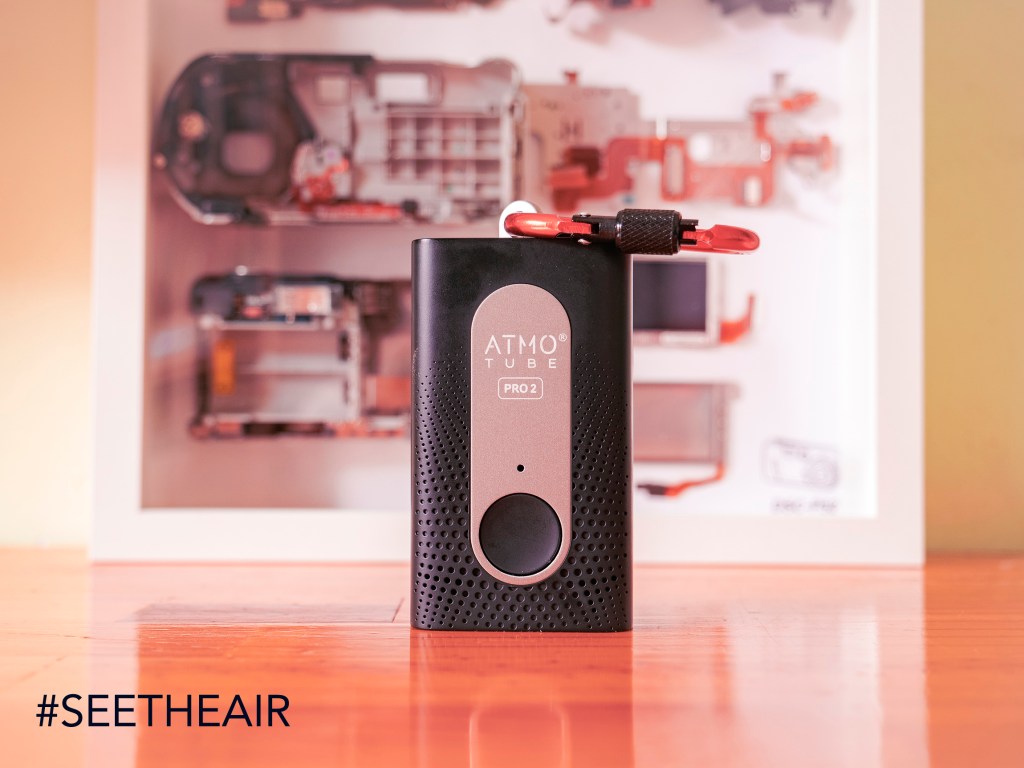
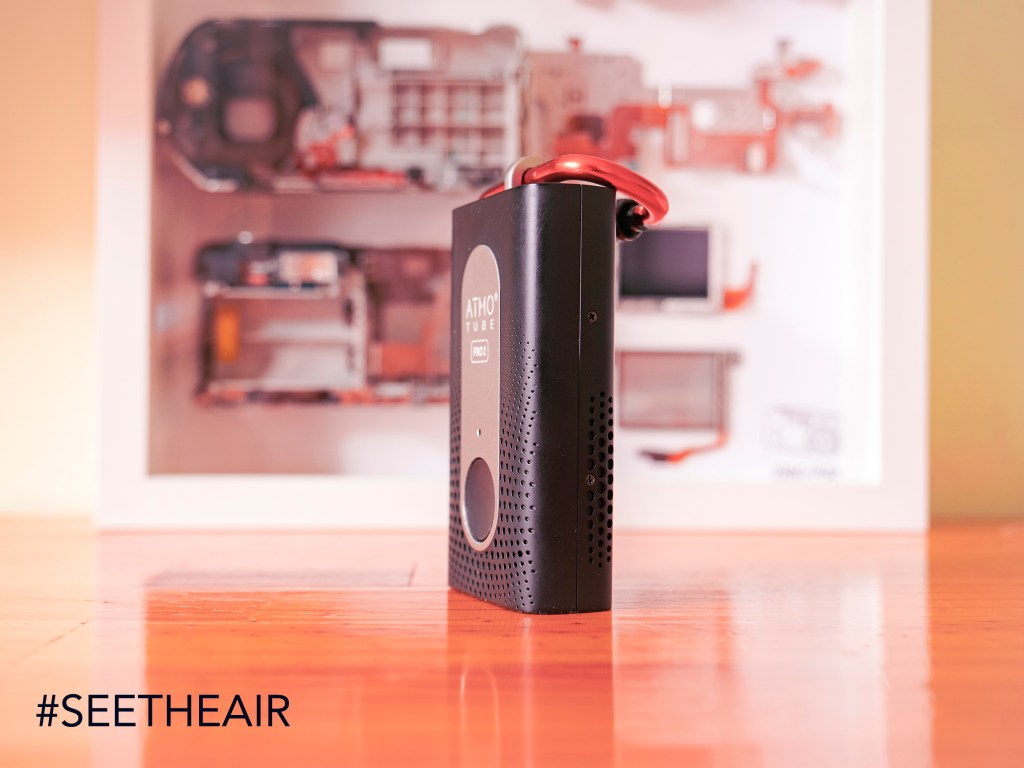
The Atmotube PRO2 marks a significant evolution in the world of personal air quality monitors (PAQMs). While it retains the rugged, familiar aesthetic of the original Atmotube PRO, the internal upgrades transform it from a consumer gadget into a serious scientific tool. Having put this device through a rigorous “field test”, it is clear that ATMO has listened to the research community to solve the most nagging pain points of the first generation.
Technical Specifications: A Scientist’s Toolkit
Here is the breakdown of the sensor suite:
- PM sensor for PM1, PM2.5, PM10, and PCN0.5 (Sensirion SPS30)
- NOx and TVOC sensor (Sensirion SGP41)
- Temperature, Humidity (Sensirion SHT40-AD1B)
- Air Pressure (Infineon DPS310)
- CO2 sensor (Sensirion STCC4)
- Built-in GPS (Allystar TAU1113) and Accelerometer (MiraMEMS da213B)
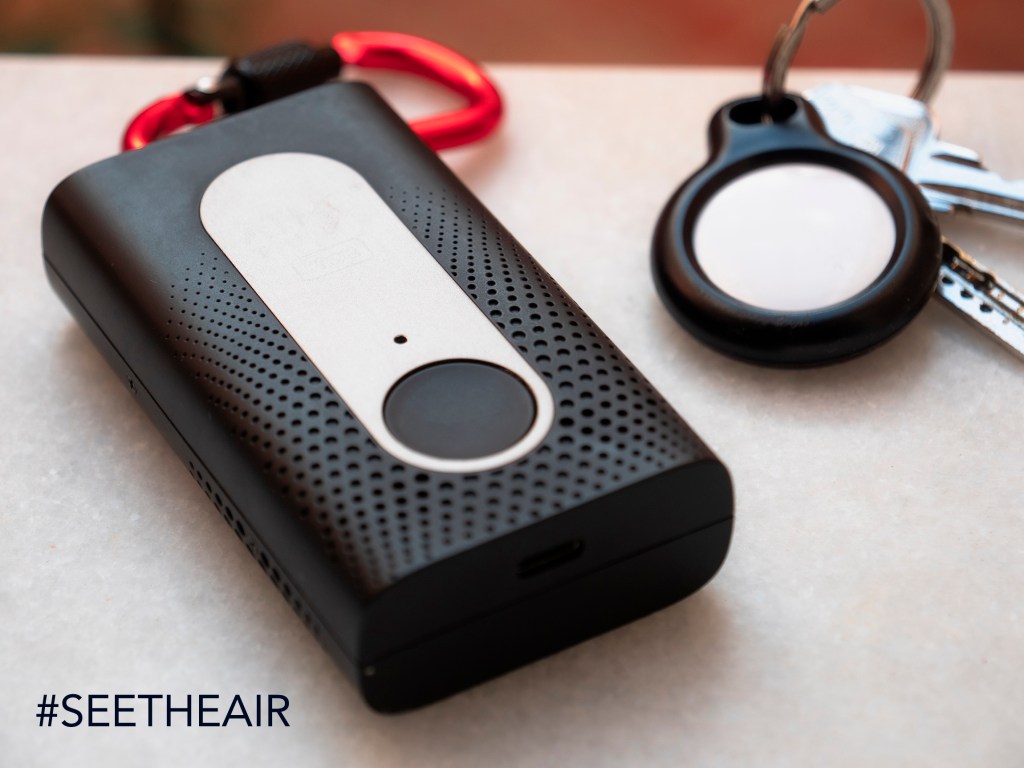
- USB-C data access Sync history data with multiple devices
- Memory size 16MB
- Battery Li-Po 2300 mAh
- Bluetooth 5.0
- Weight: 106 g (3.7 oz)
- Dimensions (H × W × D): 86 x 50 x 22 mm (3.4 x 2 x 0.9 in)
Something important to keep in mind as I found evidence that the device can measure PCN0.5 particle bin. If in the future the Atmotube PRO2 provides a precise particle count for the submicron fraction, which aligning with Global Open Air Quality Standards (GO AQS) recommendations to move beyond standard PM2.5 monitoring, this is crucial because traditional mass concentration (μg/m3) often fails to capture the significant health impacts of these tiny submicron particles.
Game-Changing Features for Deployment
The shift from 256 KB to 16 MB of internal memory cannot be overstated as it provides
up to 45 days worth of data, but it depends on history intervals. By enabling direct data access via the USB-C port, the PRO2 finally removes the “smartphone bottleneck.”
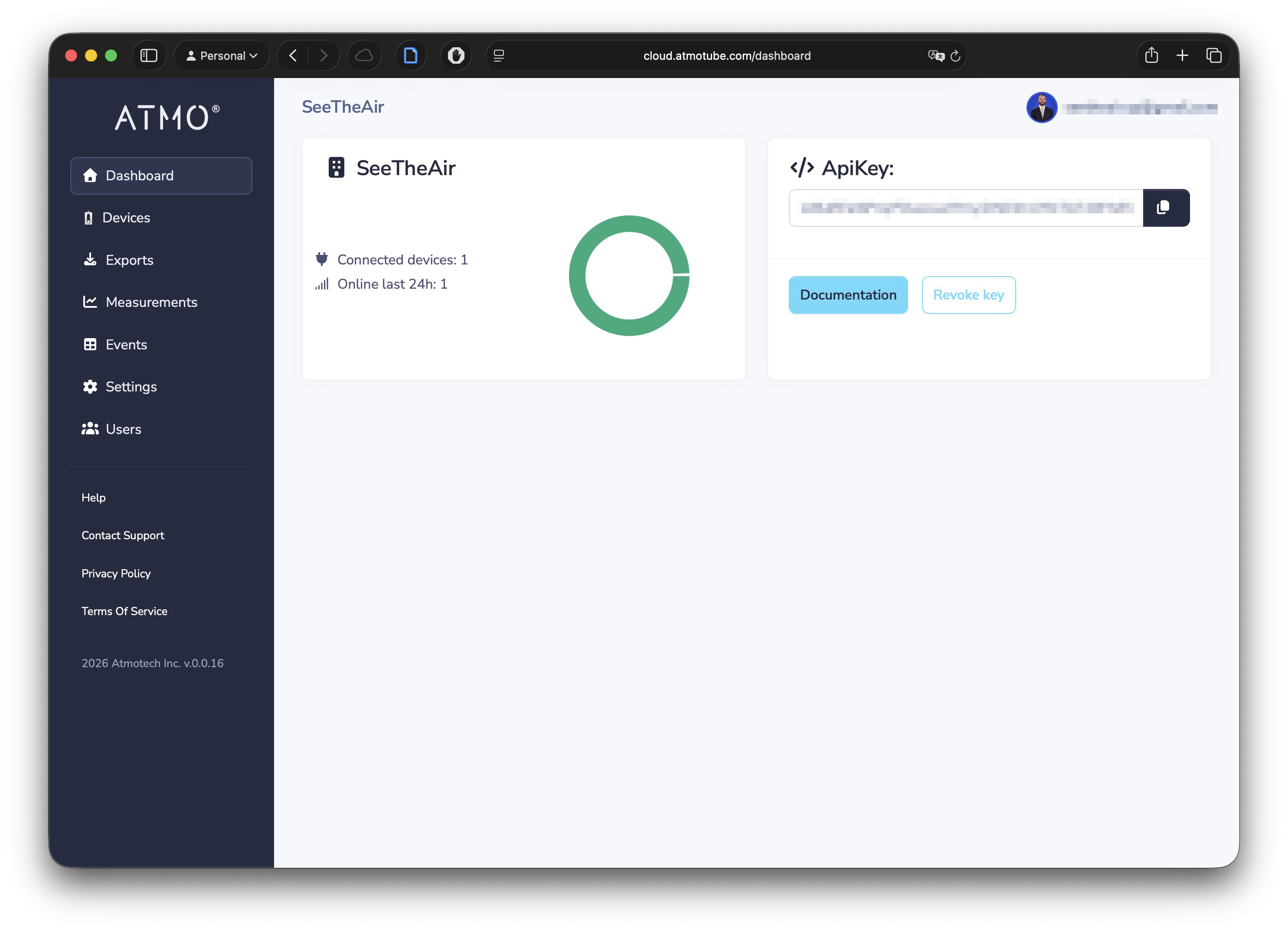
Researchers can now deploy these units independently, retrieve data via cable, and sync across multiple devices using the improved Atmotube Cloud, a feature that directly addresses the data acquisition struggles many of us highlighted in recent peer-reviewed work (the paper is pending review by the journal).
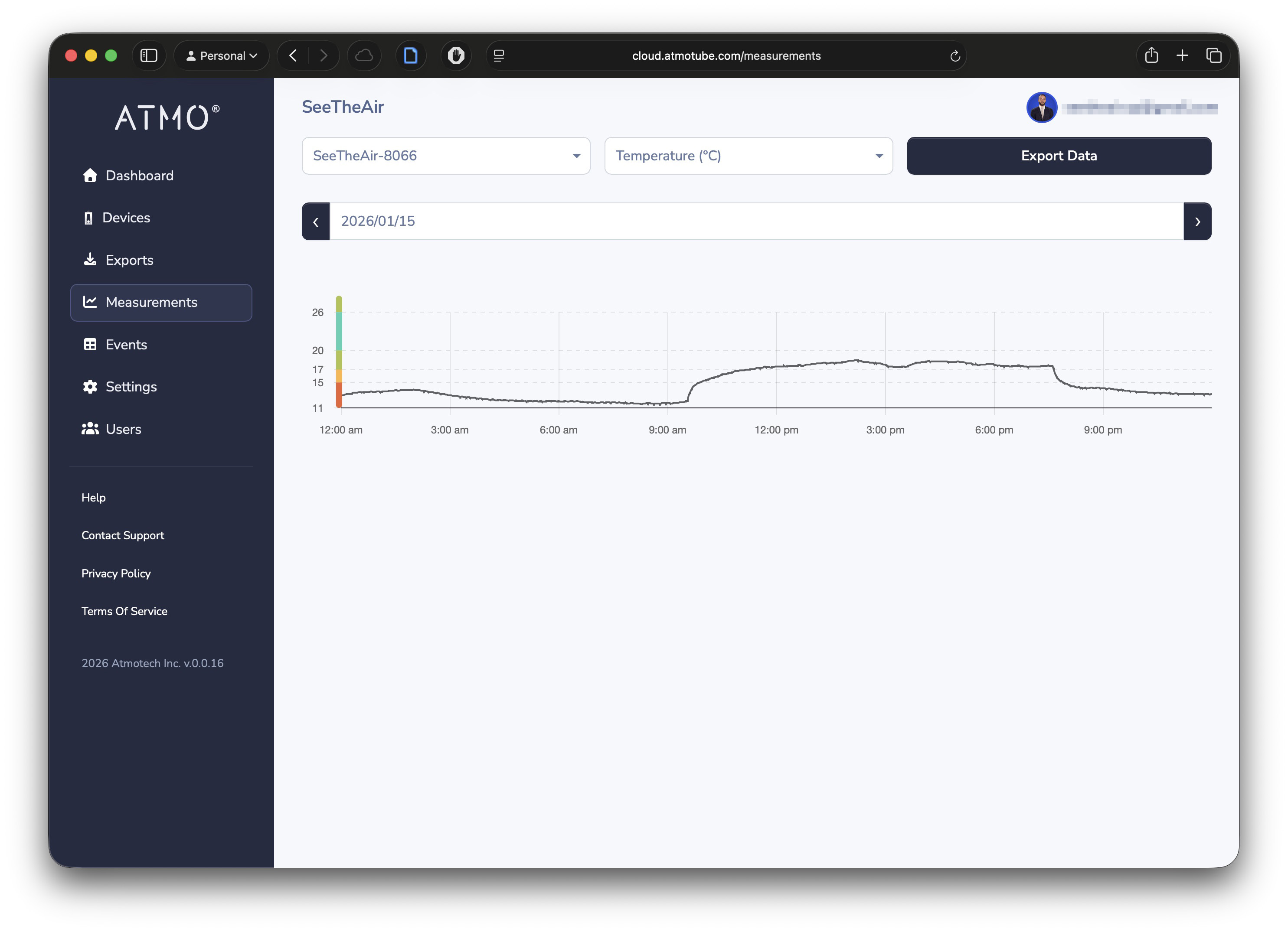
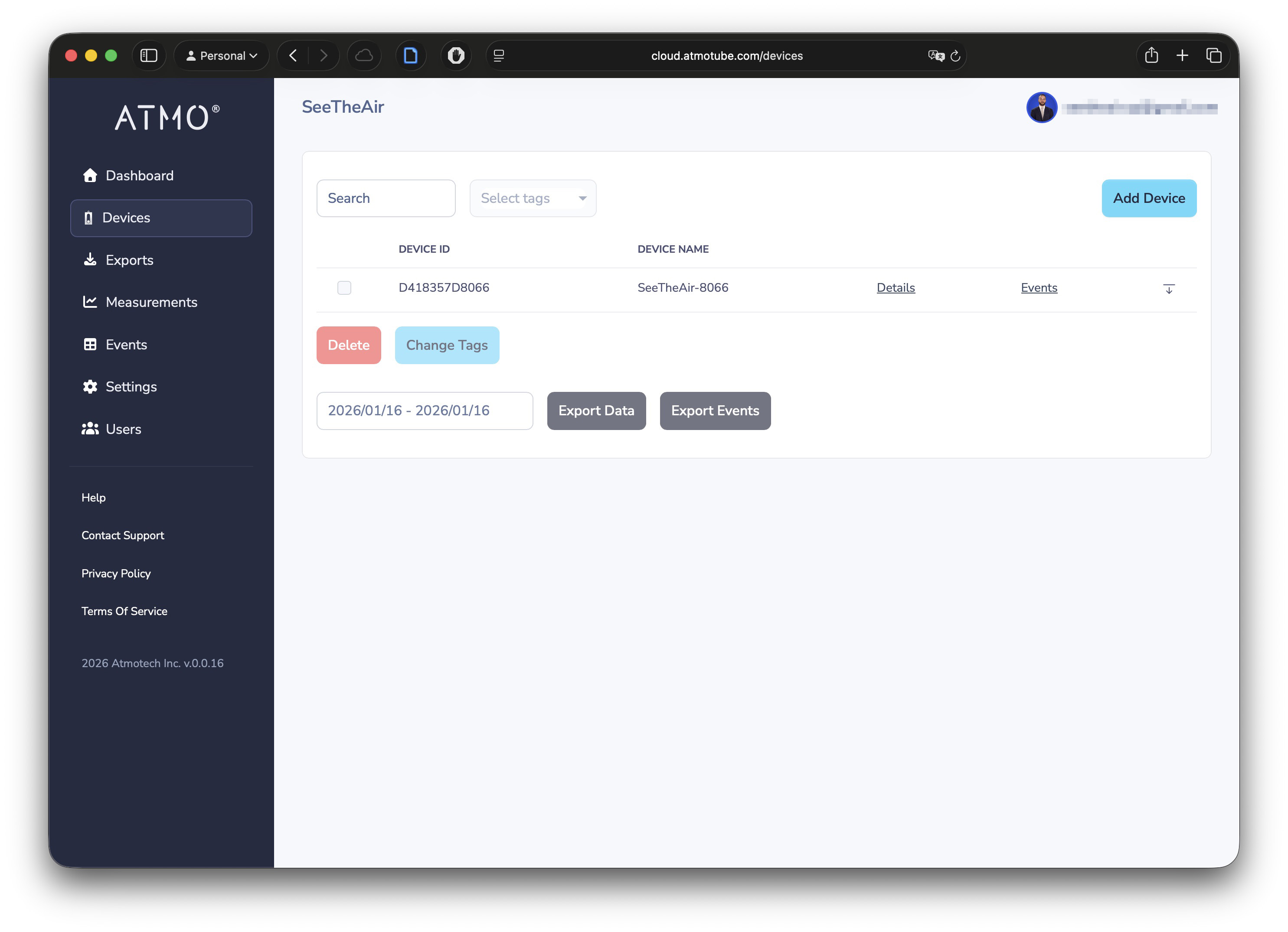
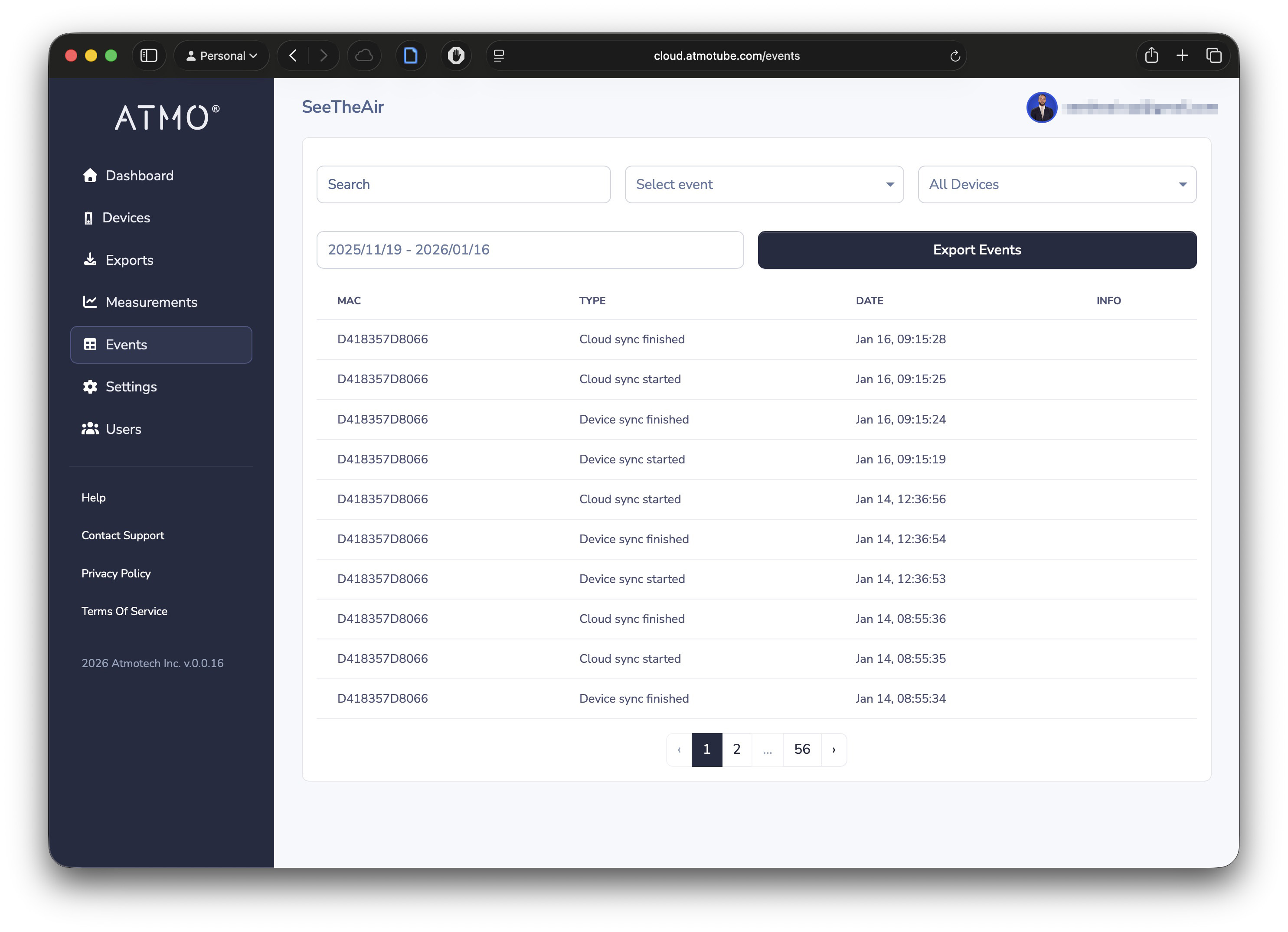
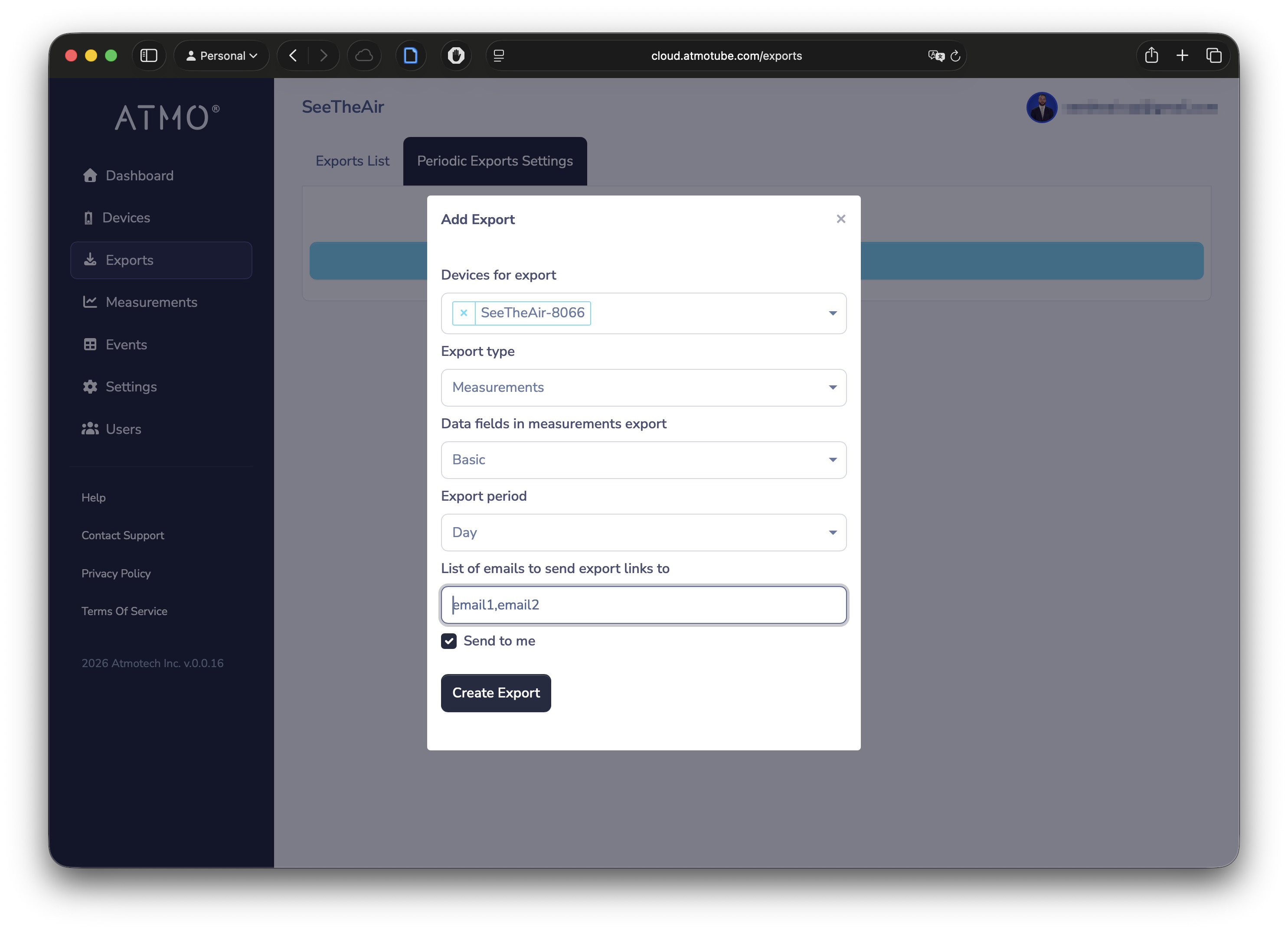
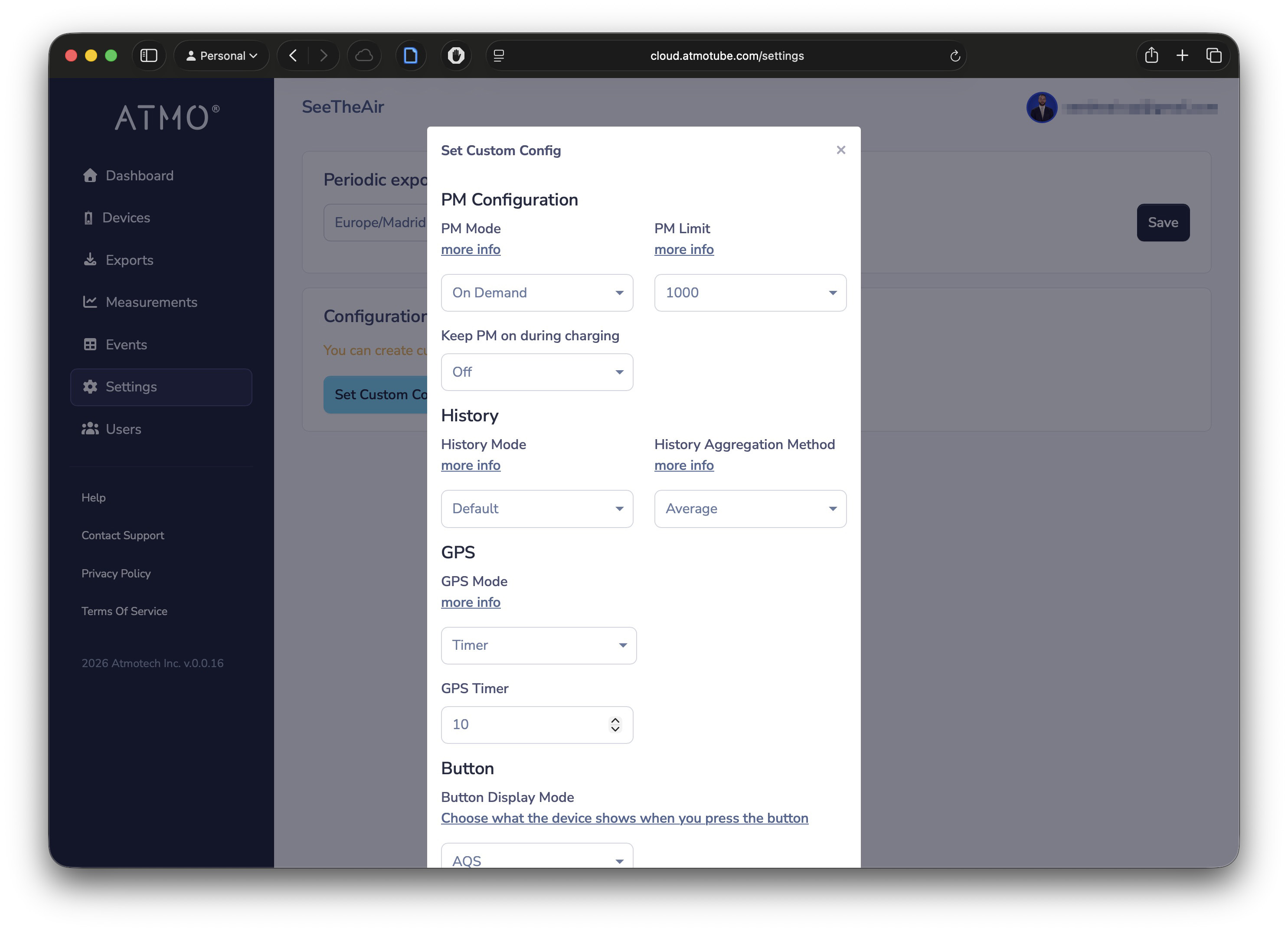
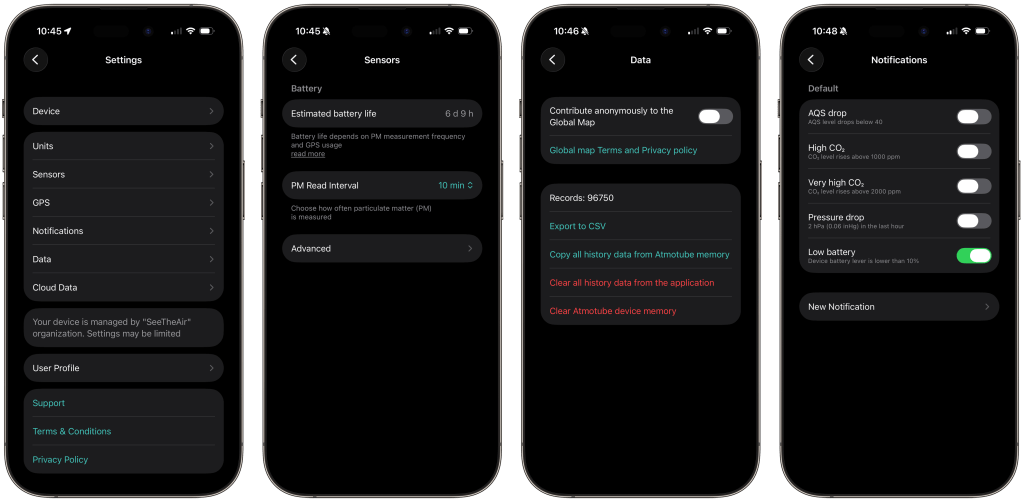
The inclusion of an embedded GPS chip is the other major win. By using an internal accelerometer to wake the GPS only during movement, the device manages to be location-aware without killing the 2300 mAh battery. In my testing, a 10-minute measurement interval provided the “Goldilocks” balance: enough granularity to track PM exposure while traveling without requiring a daily charge.
The App
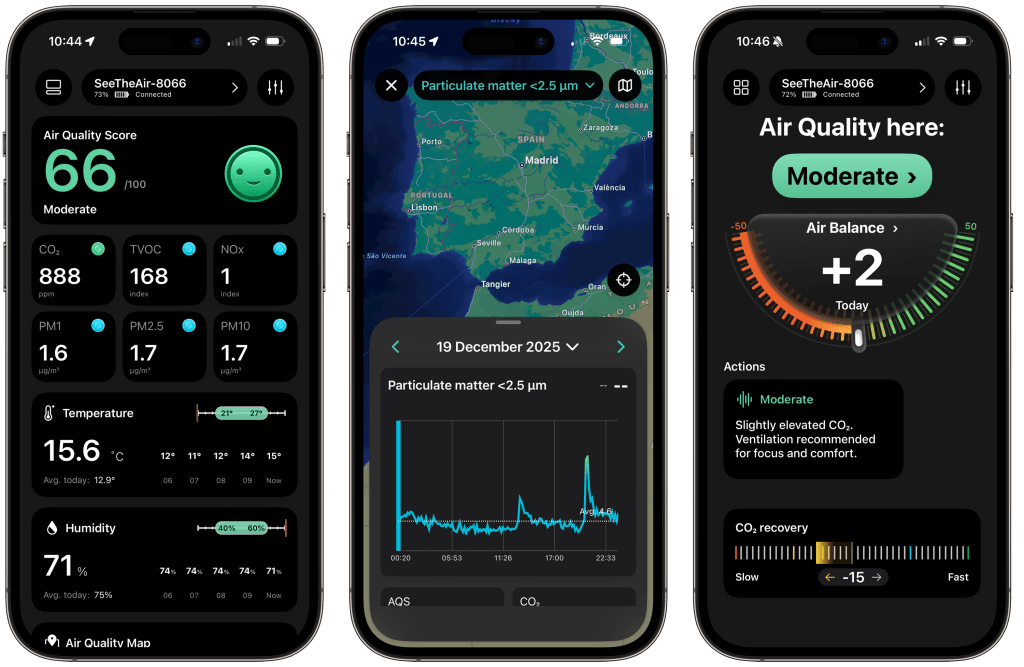
Complementing the hardware overhaul is a significantly more robust mobile app that mirrors the professional-grade capabilities of the Atmotube Cloud. The user experience has been streamlined to accommodate the massive influx of data from the new CO2 and NOx sensors, making historical trends not just accessible but genuinely intuitive to browse. One of the most tangible improvements is the increased data synchronization speed; whereas the previous generation could feel sluggish when offloading days of stored measurements, the PRO2 pairs and syncs with the phone faster. Furthermore, the integration of the internal GPS has transformed the “Air Quality Map” into a high-resolution exposure diary. Users can now scroll through their timeline and watch as the map marker moves in tandem, pinpointing exactly where a specific NOx spike occurred, whether at a busy intersection or during a flight layover, providing a level of geospatial context that was previously impossible without a tethered smartphone.
Accuracy & Adjustment
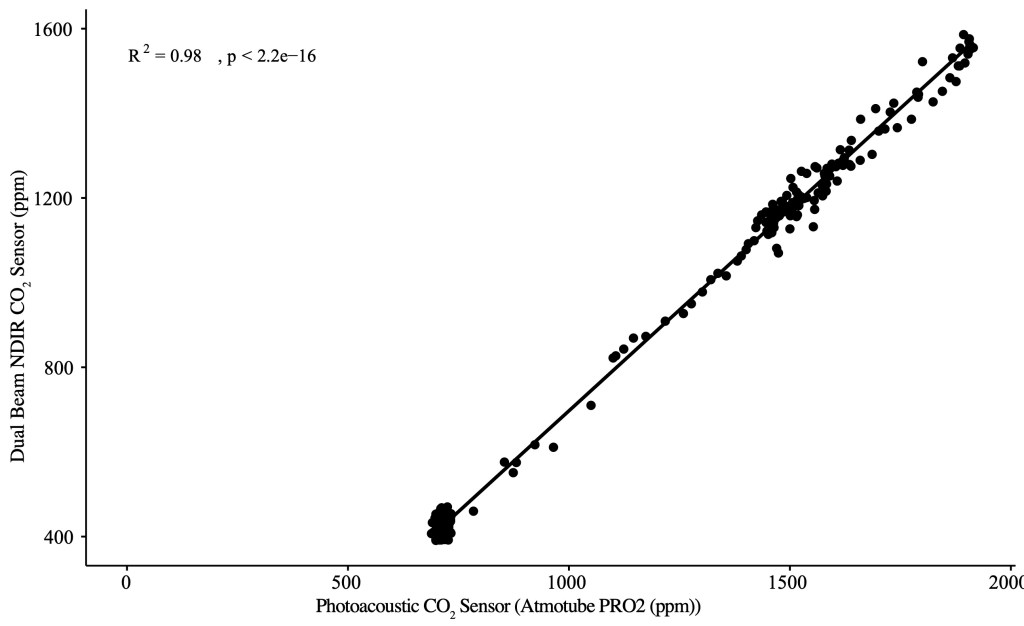
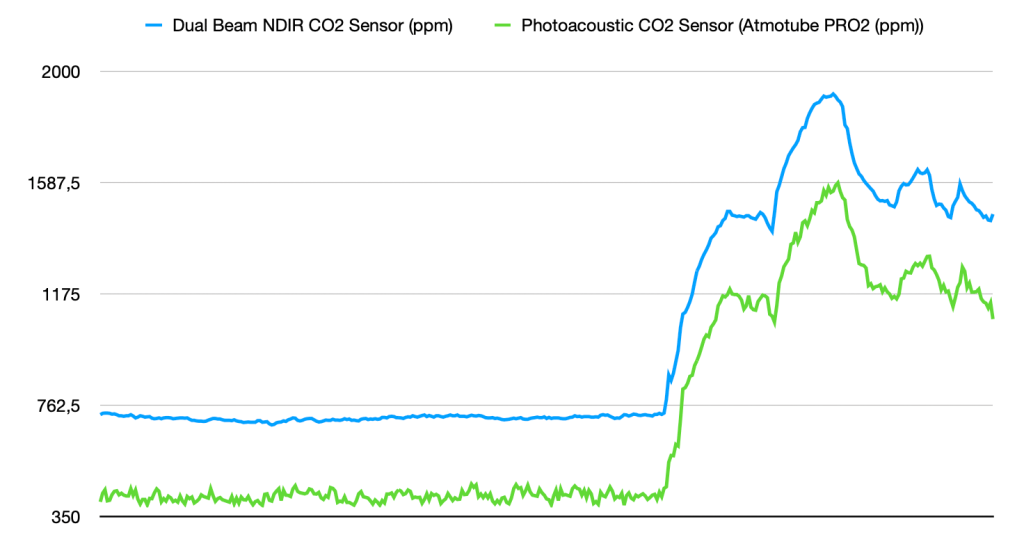
While the correlation is very high R2=0.98 for CO2, the “out of the box” values required some fine-tuning. My CO2 readings were consistently off by about 200 ppm. Fortunately, the app allows users to “adjust” (the preferred term over “calibrate“) the baseline for CO2, temperature, and humidity. This transparency makes the data much more reliable for personal exposure studies.
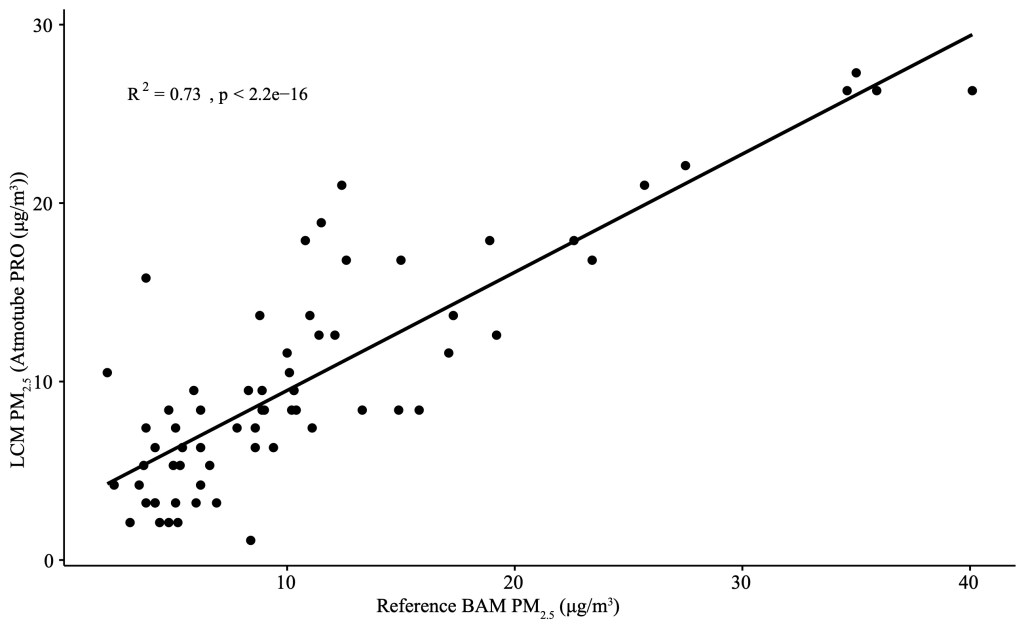
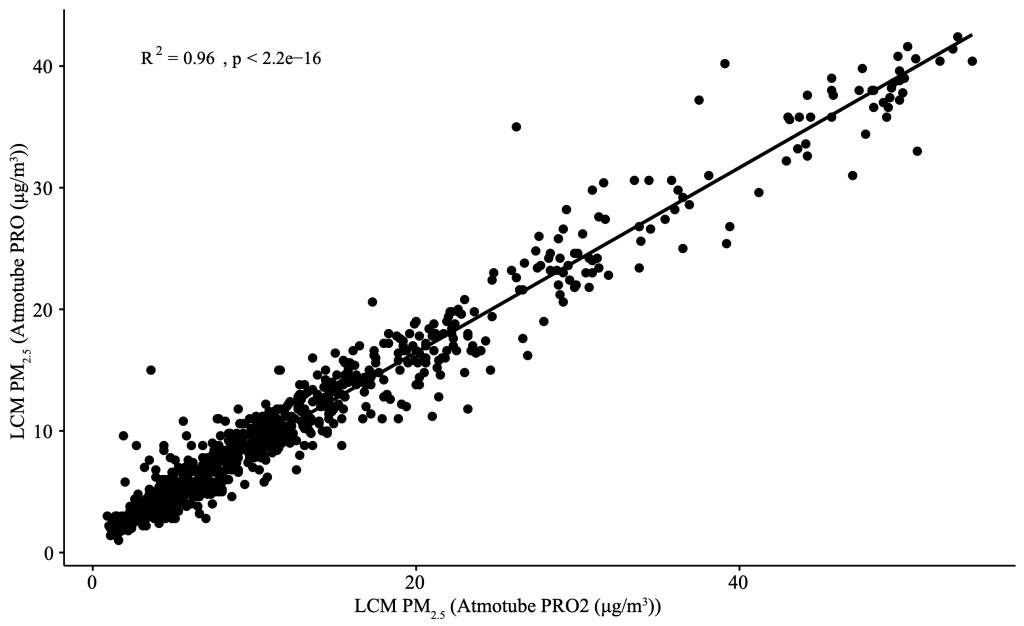
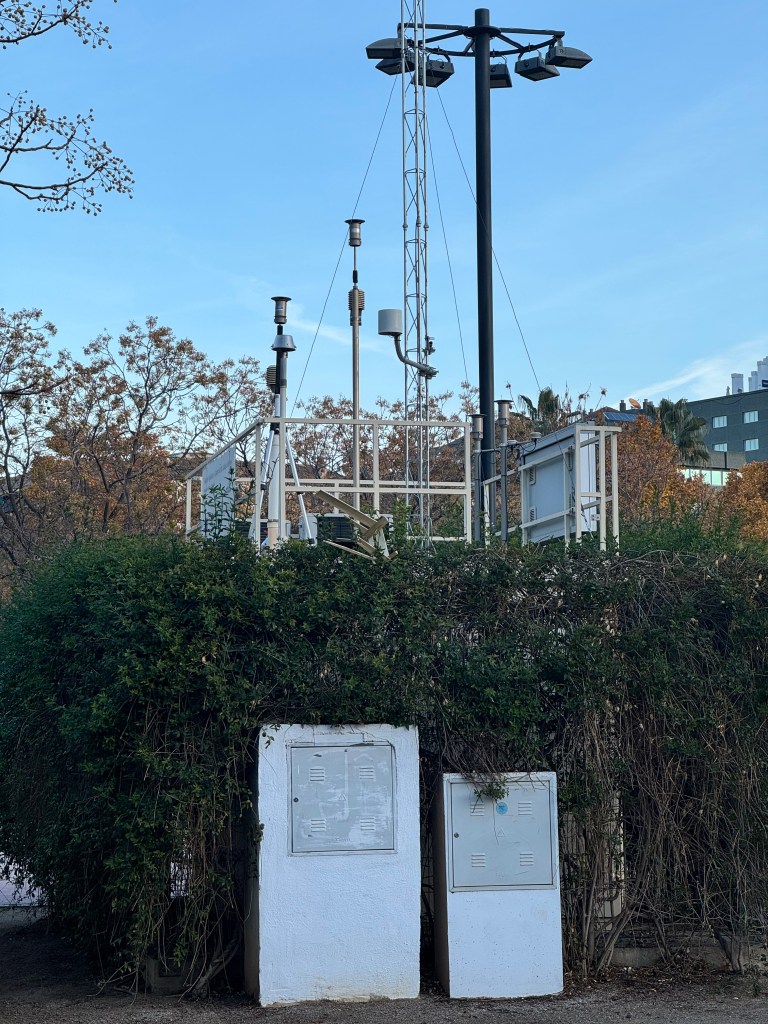
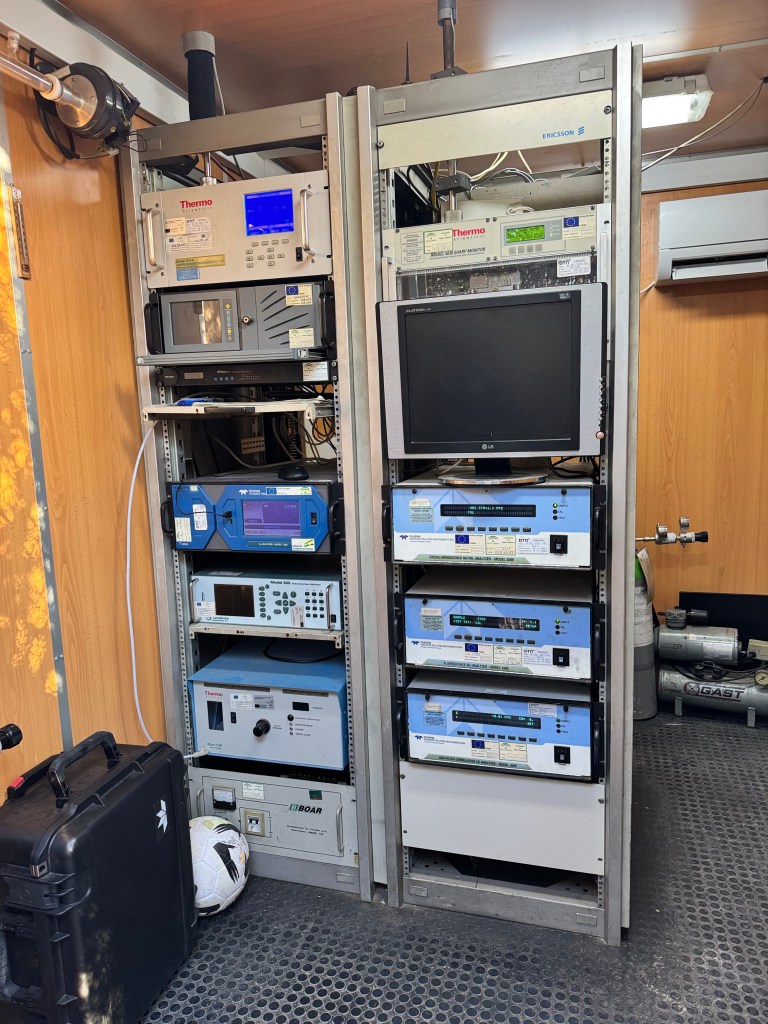
In my PM2.5 field evaluation, I collocated the Atmotube PRO2 with a reference Beta Attenuation Monitor (BAM), a high-precision instrument that uses beta radiation absorption to calculate mass density and is widely considered an equivalent reference standard for PM2.5. Despite facing extreme outdoor conditions, including low temperatures and three days of continuous rain, the PRO2 maintained a solid correlation with the BAM at an R2=0.73. In statistical terms, this means that 73% of the variation in the reference readings can be explained by the PRO2’s data. For a portable, low-cost sensor under high-humidity conditions, which typically cause optical sensors to overestimate concentrations due to hygroscopic particle growth, this result is impressive and meets the US EPA’s threshold for trustworthy, non-regulatory air quality indicators. Furthermore, the consistency across hardware generations is noticeable; I found a correlation of R2=0.96 between the original PRO and the new PRO2 under the same conditions.
Reality Check
During a personal trip, the PRO2 was eye-opening in two specific areas:
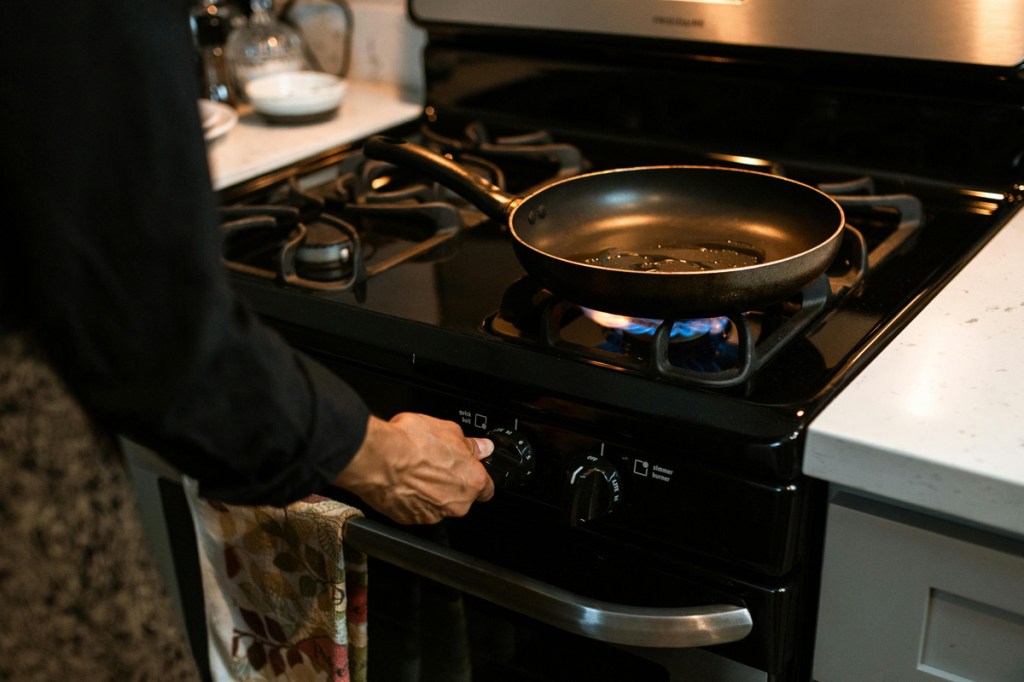
- The “Gas Stove” Effect: In a family home using gas appliances, the NOx sensor spiked immediately during baking. Even with a range hood active, the pollutants escaped into the living space, proving that “going electric” is one of the single best moves for indoor health.
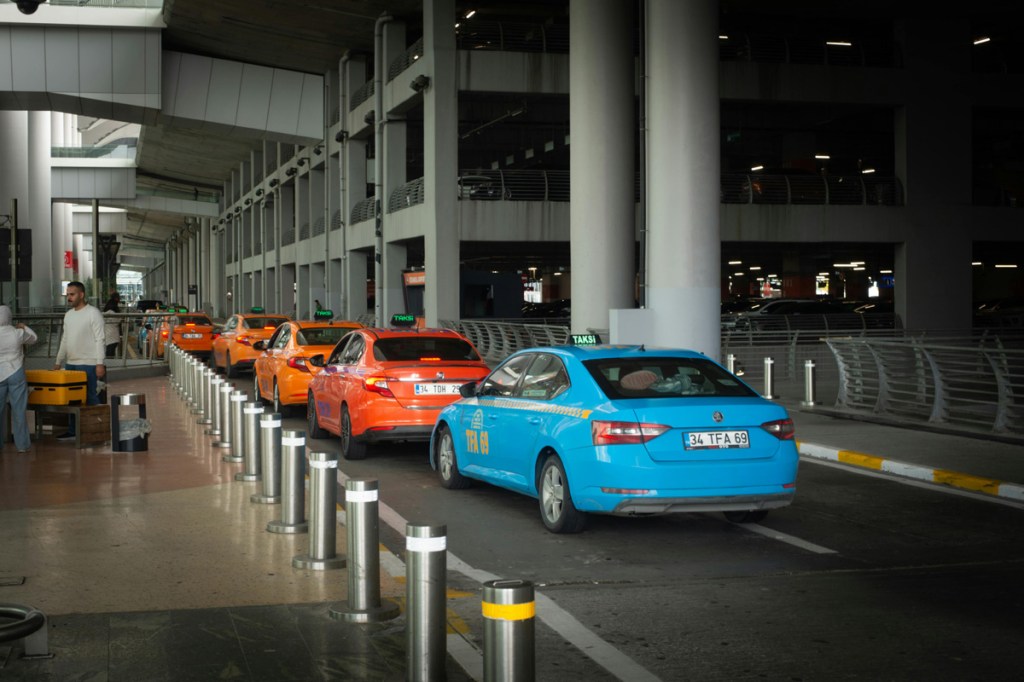
- Outdoor Exposure: The GPS mapping effectively visualized NOx plumes at airport taxi stands and busy bus terminals, highlighting the societal need to address idling engines.
The Verdict: What’s Missing?
The Atmotube PRO2 is nearly perfect for its niche, but there is one final hurdle to clear for it to be the ultimate actionable device: The Display.
Currently, you still have to open an app and wait for a sync to see your status. Friction is the enemy of action. A small e-ink display on the chassis, would provide instant, glanceable feedback. Seeing a “Good” reading on your hip without reaching for a phone would turn this from a data logger into a life-saving coach.
Overall
If you are serious about understanding your personal exposure or conducting citizen science, the Atmotube PRO2 is the new gold standard for PAQMs. It’s no longer just a companion to your phone; it’s a standalone citizen science instrument.
Discover more from See The Air
Subscribe to get the latest posts sent to your email.
 See The Air