When is the best time to Exercise Outdoors in England?

Based on 2019 data I analyzed the concentration of Nitrogen Dioxide (NO2) and Particulate Matter (PM2.5), when available, as they are two of the most common pollutants in urban environments due to vehicle traffic and household heating.

In a recent study, scientists selected 140,072 adults and after following them for an average of 2 years, they found that physical activity, even in high PM2.5 levels, is an important high blood pressure (hypertension) prevention strategy as the markers remained stable.

This is a great piece of news. However, I prefer to avoid pollution in the first place and not playing the constant game of good and bad. In our lives, many other factors contribute to health issues, and by eliminating air pollution you make sure that the eternal battle of survivor leans towards your favor.

Let’s take some random locations from across England and see which day and time of the week is the best to exercise outdoors. All data are from the official monitoring network (AURN).

London

I randomly chose to analyze data from the London Marylebone Road (MY1), which is an urban traffic station.

London Marylebone Road (MY1)

Based on the NO2 data, from Tuesday to Friday I don’t recommend anyone to run near that area as the highest concentrations are registered those days especially between 07:00 to 21:00 throughout the year. Remember the annual safe mean according to WHO is set to 40 μg/m3. Weekends and late nights between 00:00 to 06:00 in the morning seem to be adequate to exercise as traffic seems to calm down a lot. January, February, March, and June are the worst months too.Read More »

Dear city of Almeria (Spain) or any other city in the world (English/Español)

(Scroll down for the Spanish version/Desplácese hacia abajo para la versión en español)

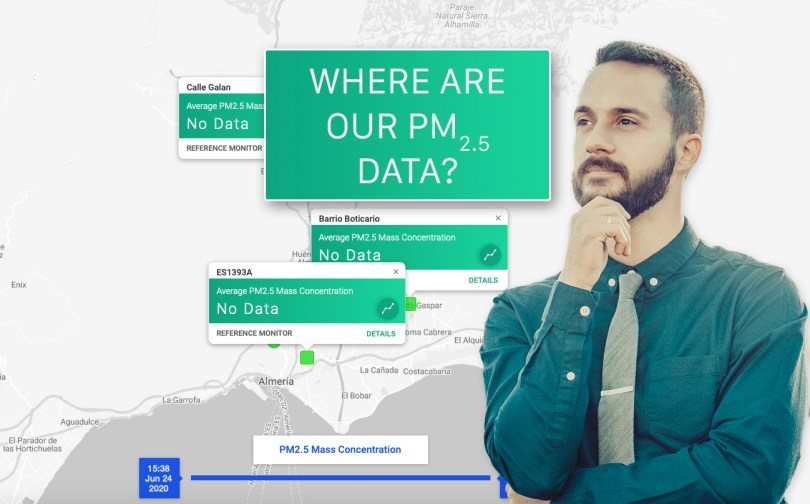
I am writing this article because I would like to help you understand the importance of the issue as the whole province and consequently my city Almeria doesn’t have an official air quality station with a sensor capable of measuring particulate matter with an aerodynamic diameter of 2.5 μm or less (PM2.5) in real-time.

What is Particulate Matter (PM)?

Particulate Matter (PM) are solids material (sometimes liquid too) that float in the air. Some PM is released directly from a specific source − combustion in Diesel engines − while others form in complicated chemical reactions in the atmosphere.

Particles in the PM2.5 size range can travel deeply into the respiratory tract, reaching the lungs. Studies also suggest that long term exposure to fine particulate matter may be associated with increased rates of chronic bronchitis, reduced lung function and increased mortality from lung cancer, and heart disease. People with breathing and heart problems, children and the elderly may be particularly sensitive to PM2.5.

The Problem

In the province and city of Almeria, there are three Air Quality Stations that measure many pollutants one of which is PM2.5. Unfortunately, these sensors are outdated and the results we get are ONE daily average value which is basically useless in my opinion. Apart from that, we need to wait for a month to get the results back after filing a form. I guess the same thing applies to the 68 stations all around Andalucia in total.

Citizens need real-time data in order to take action and reduce their exposure to air pollution. They also need better tools and maps where they can visualise where pollution is in order to avoid harmful exposure. There are already many studies supporting the correlation between air pollution and COVID-19 cases.Read More »

Review: Node-S by Clarity

I love clean air and even when we are indoors the air we breathe comes from the outdoor environment, like streets, small neighborhoods, city superblocks, etc. There are high probabilities that you, the reader, live in a city and the air you breathe isn’t clean enough to support your healthy lifestyle.

Most cities in Europe, as far as I know, have two state reference stations (a background and an urban) for air quality monitoring. They are great, with highly accurate and expensive equipments inside. Unfortunately, most of the time they are old and outdated which limit their ability to engage people to look into the air quality problems we are facing.

My city hosts around 200,000 people and the one urban reference stations we have isn’t capable of measuring PM2.5, at least not as most people will expect. It registers ONE daily average PM2.5 measurement (and not always). Data are free but in order to get these daily measurements you need to file a form and wait a month as manually a lab examines the filters were PM2.5 particles are captured.

Of course this is a tedious way to report data in 2020 at least in my opinion, I understand the “accuracy” obsession that surrounds some scientists, they can keep doing that but also they need to report real-time data to citizens if they want them to change the way they think and behave. I mean, what can I do if I learn that the air was dirty a month ago?

Here comes a outdoor monitor like Clarity Node-S. In my opinion, cities have no excuse not to install such monitors around the city and allow citizens to see the air they breathe. Literally, it is so easy to pick a place in a city and install a monitor. Clarity takes advantage of the low-cost sensors and has developed a solution hard to resist.

Read More »

Is covid-19 going to halt the air quality industry?

No, this is not the case for the air quality industry, but quite the opposite.

Since the outbreak of the pandemic, the media has covered the topic quite extensively. Big newspapers like The Guardian, The Sun, NY Times, etc have written at least a few articles about how good is the air outside and small local newspapers, which had never mentioned any environmental issue before, wrote about the same subject.

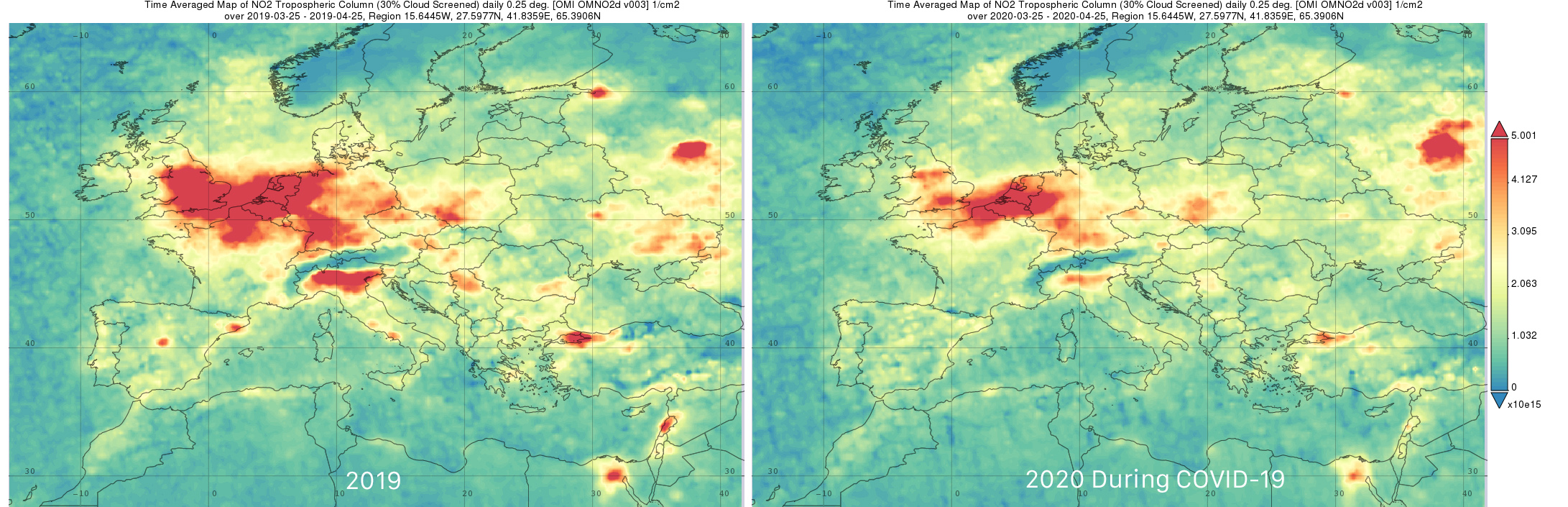
The pandemic has shocked people to their core, as a result, during the lockdown, more people became aware of the issue of air pollution and how traffic contributes a lot to the problem. In a recent NASA seminar, I learned that the satellite maps that we all have seen in newspapers presenting the NO2 concentrations before and during the lockdown, don’t represent the NO2 on the surface, where people breathe. However, they represent the total amount of NO2 from the surface to the top of the troposphere.
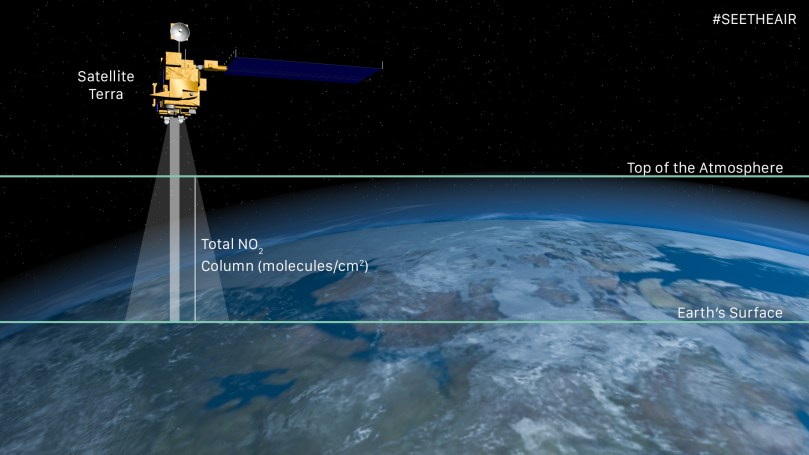
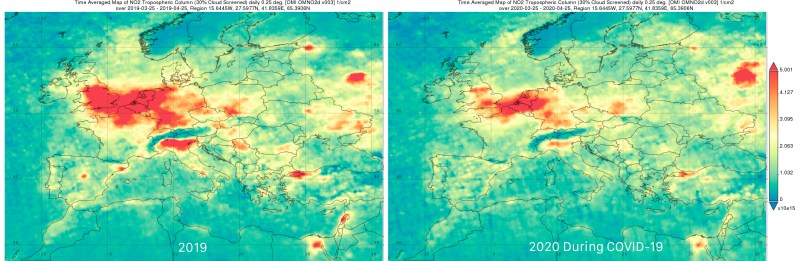
SatelliteGIOVANNI-NO2 COVID19

Indoors

Of course air pollution is not only present in the streets but inside our houses too, as a result, people have taken closer attention to indoor air quality as they spend 24/7 inside their houses, working, cooking, eating, relaxing, and playing with their kids.

Being all day long inside your house makes you think about how you can improve the indoor conditions and of course, air quality is as important as a pillow for your head during a night’s sleep. You want to be in a comfortable environment with the right temperature, humidity, and air quality.

This is the reason many companies sold out indoor air quality monitors. I had people asking me where they could find an air quality monitor and some companies telling me “we are out of stock” or they were running to fulfill orders.

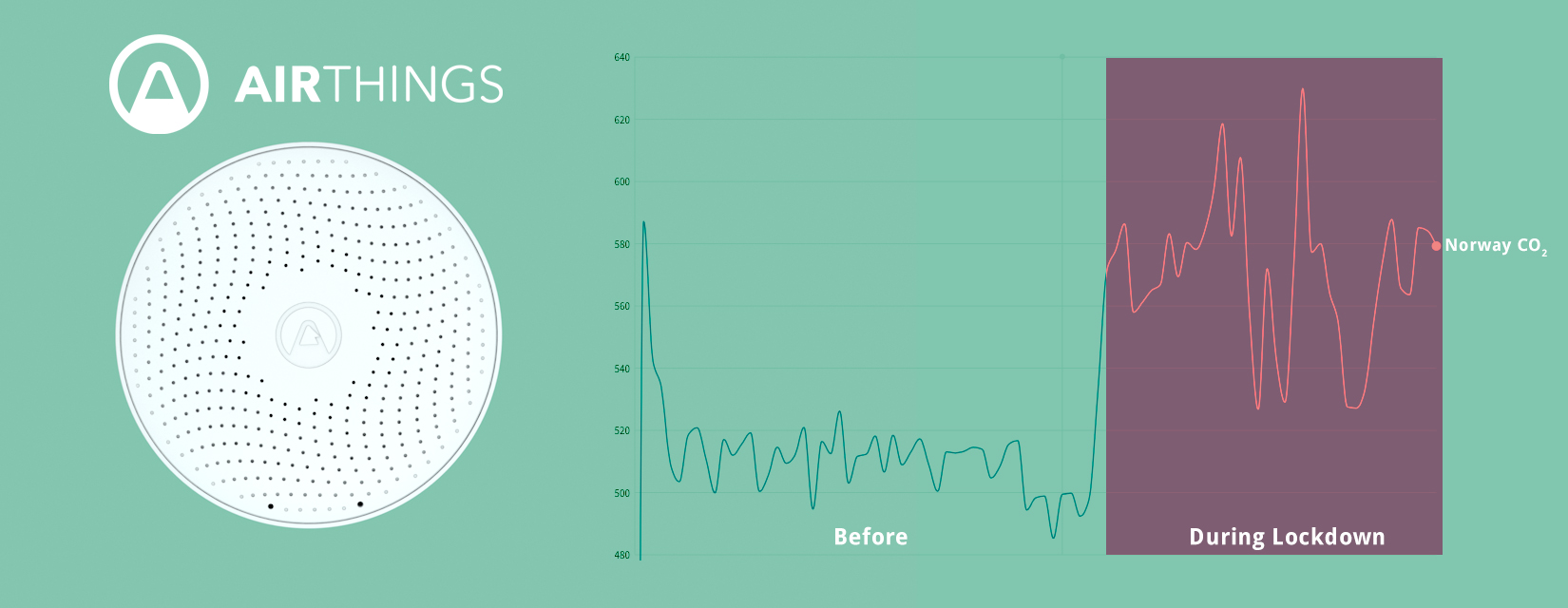
Let’s see what AQ data from Airthings say before and during the lockdown. Immediately, we can understand that there was an average increase in CO2 concentration inside houses. Nevertheless, there are some factor we have to consider:

CO2 indoors US Norway

First of all, Airthings’ users are conscious about the air they breathe because the devices help them see the air quality so they may take measurements against high CO2 concentrations. Imagine what happens to houses were no monitors can be found. Secondly, we have to consider that houses in northern Europe tend to have HRV systems and fresh air is introduced automatically to the indoor environment.

All in all, not all houses, have mechanical ventilation systems and during winter, when windows are closed, CO2 levels tend to be above 1000ppm for a great period during the day. Before COVID-19, houses used to “breathe” when homeowners went to work or school but not anymore, so monitoring the air quality indoors is more crucial than ever before. Especially if we want to avoid Brain fog, which is the inability to have a sharp memory due to high CO2 concentrations.

Outdoors

On the other hand, outdoor air was and still is important because one day we will return to a “new normal life” where we will need to breathe clean air outdoors. Cities are preparing the streets for the post-pandemic era, we have seen examples of cities allocating more space to the pedestrians and cyclists but also there are cities that now are investing in IoT low-cost outdoor air quality stations that can easily be placed all over the cities and provide us with a more dense spatial air quality coverage.

The improved and dense spatial air quality coverage will allow the policymakers to make better decisions and will allow citizens to have access to air quality data more easily than before as the outdated air quality stations we can currently find in many cities sometimes require manual work to register values one by one and they are not data-driven. This manual work makes data not real-time, hard to reach, and unsuitable for instant decisions. For example, in Andalucia, Spain the PM2.5 measurements are available after a month from the day the data were taken, and then you need to file an official form in order to access them.

Liberating accurate information and allowing people to access it, I think will transform the way we think and act, two important words that are key in order to address the issue.

Indoors outdoors air quality

Updates: Smoggies around the World

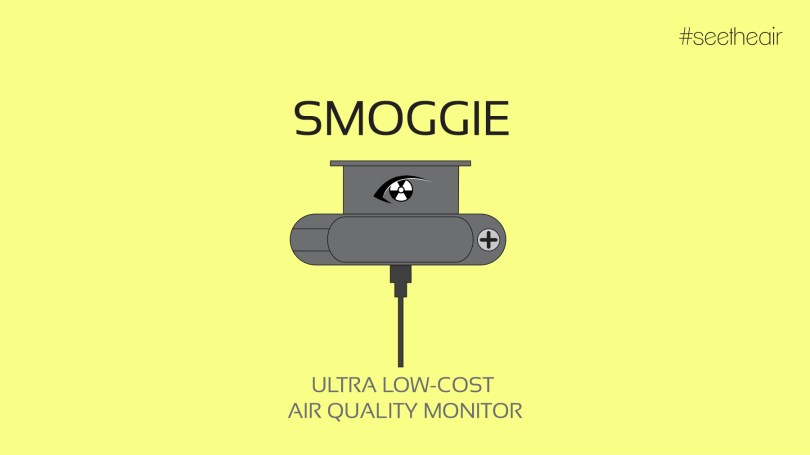
In the past 6 months, Smoggies are operating and providing useful air quality insights to the users and the communities all around the world. Right now, there are more than 250 units in total, worldwide.

I decided to see how polluted the air was for my 8 volunteers during the month of February, 2020. Let’s set the record straight and remind ourselves that the WHO guideline stipulates that PM2.5 not exceed 10μg/m3 annual mean, or 25μg/m3 24-hour mean.

Around the World

Read More »

Flow 2 vs Atmotube Pro Preliminary Comparison

I love portable devices and miniaturisation is a thing of the future. In this post, I am going to compare Flow 2 and Atmotube Pro side by side. Both devices are two portable Air Quality Monitors that can easily be carried around and help you see the air you breathe.

This is a preliminary test and I will compare the devices between each other. I have promised you an extensive comparison between the portable monitors and an official reference station, however, it will take a bit longer in order to sort things out with the local AQ department − paperwork which needs time from their end.

Read More »

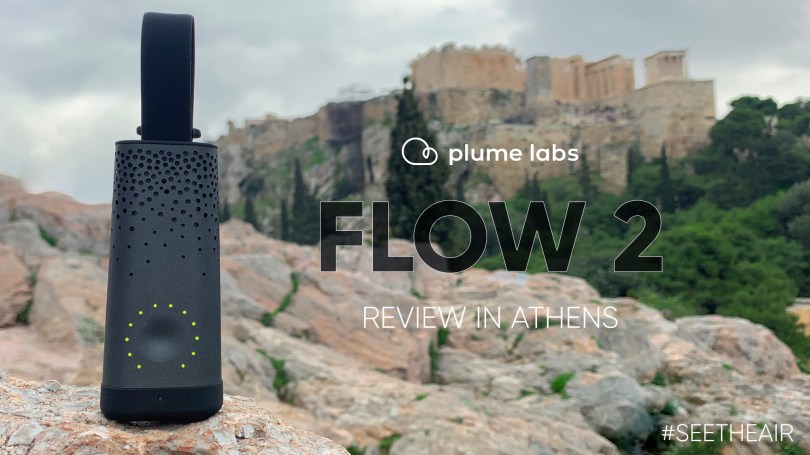
Review: Flow 2 by Plume Labs

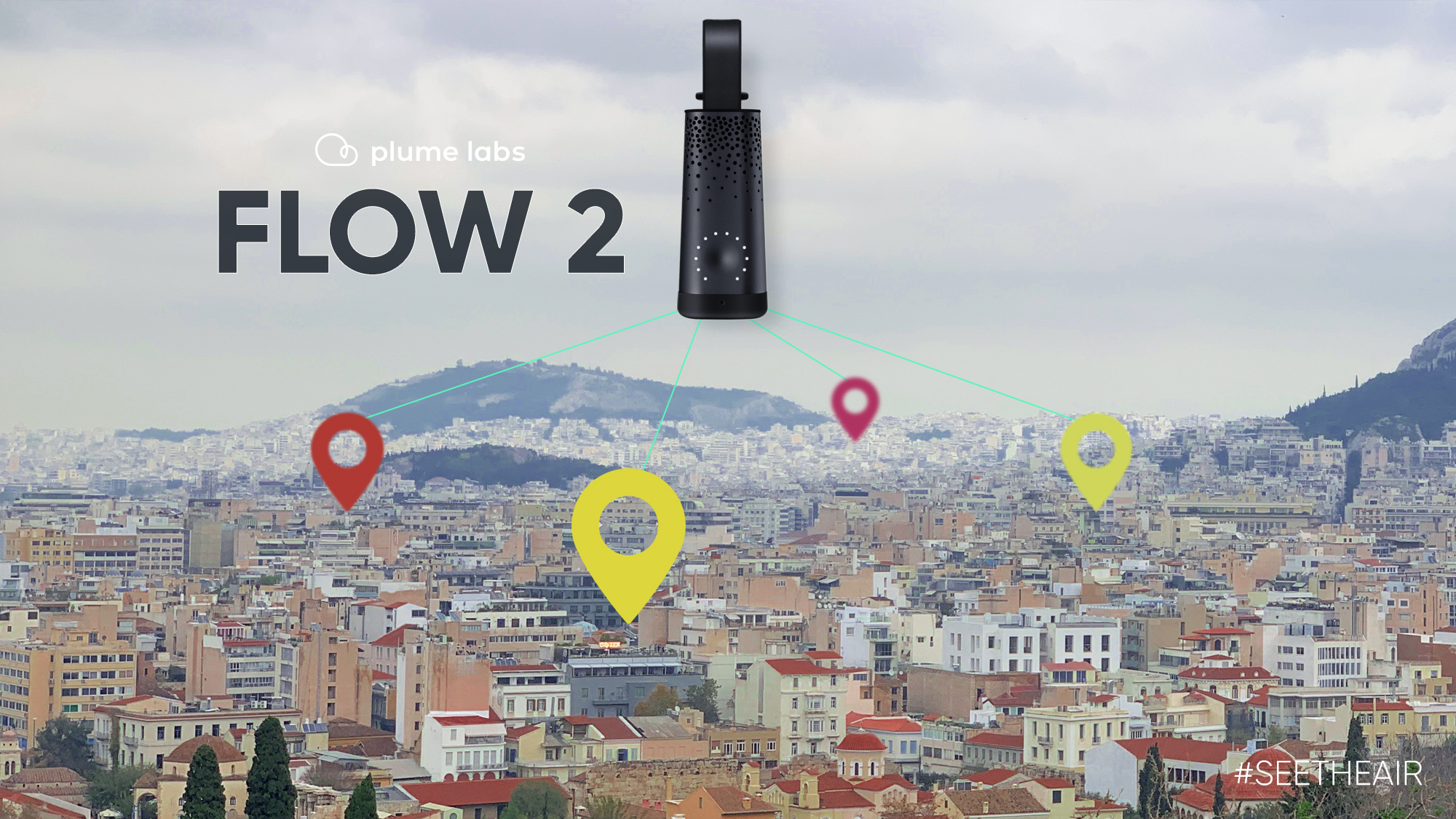
I was given the chance to review the brand new Flow 2 by Plume Labs and I took the opportunity to review it on my trip to Athens, Greece while visiting my family. Flow 2 is a small handheld AQ monitor that can follow you almost anywhere through the day and it tracks Particulate Matter, Nitrogen Dioxide and VOCs.

athens air pollution hotspots

Read More »

Walking vs Driving Kids to School

I feel that not enough has said regarding this topic even though many media try to cover the subject of air pollution like The Guardian, BBCVICE, Reuters, Science Focus, The Washington Post, The NY Times, etc do daily.

How important is to walk your kids and not to drive them to school?

Well, it is simple, it is very important for multiple reasons.

  1. Less Air Pollution
  2. Get to know your kids better
  3. Socialisation
  4. Less Stress & More Physical Activity
  5. Economics

Less Air Pollution

Just today while I am writing this article a new study came out explaining that children are five times more exposed to toxic air on school run than other times of the day. This is normal if you take into account all the cars that queue up with the engines on and idling while waiting to drop kids off or pick them up.

In simple words, your kid’s health is at high risk!

I used to walk to school every single day, under the sun, under the rain and under the snow and guess what, I didn’t melt. It actually helped me wake up and be ready when classes started. A rainy day is a fun day for a kid and umbrellas have been invented for a long time now.

Get to know your kids better

My school was not far away from my house, 10min approximately, my mother or my aunt accompanied me and my cousin during pre-school and for the first year of primary school. It was great, we had the chance to talk calmly and for them to wish us a good day without worrying about where to park the car or the traffic lights or getting late. Walking distances are always the same as nothing can block your way.

Socialisation

During the walk to school, you have the chance to get to know other parents and your kids’ friends, talk to them and exchange opinions. Kids learn and copy their parents. Imagine being inside a car and you – the parent – are frustrated because you stuck in traffic or because another car bumped your car, most probably you will swear. Do you want your kid to learn that word from you?

During the socialisation that happens between you and the other parents, you have the chance to discuss important school issues and most likely resolve them. Also, you have the chance to invite them for a play day. Trust me your kids will love you.

Less Stress & More Physical Activity

As I have already mentioned, walking is relaxing and apparently good for your health too as it is considered a physical activity. The rest of the day you will be in the office or wherever place you work in and you will have time to sit. Fun fact, on average, we burn about 50 calories for every 10 minutes of walking.

Economics

Obviously, there are economic reasons to choose walking or cycling over driving but I am not going to discuss them here as I am trying to focus your attention on how to become a better more sustainable person, not a richer one.

To sum up, avoiding driving your kids to school won’t only reduce air pollution in your neighborhood with a direct benefit to your family’s health but it will help you become a better parent and it will also help you raise a healthier and more socially capable kid.

Review: Djinn Sensor

The ingenuity and the inventiveness led DJINN Sensor — a Belarus company — to build an Air Quality monitor a bit different from the rest in the market.

Software-wise and hardware-wise the device offers some engaging features like solar panel case in order to harvest energy from the Sun and Productivity Current and Index analytics, to name a few. Let’s take a closer look at the AQ Monitor.

Read More »

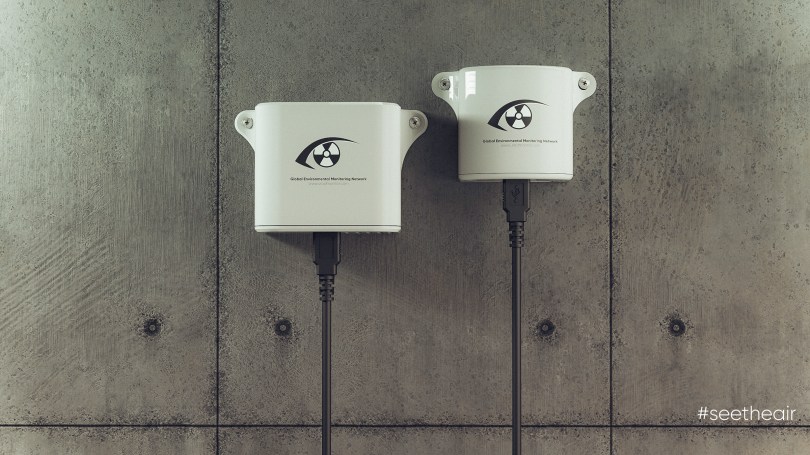
Smoggie Installation Guide + Thank you

The Call for Volunteers was a great success and I had the chance to learn from you a little more about the problems of air pollution around the globe and the situation each one of you faces. From Canada, USA, Mexico, Australia, New Zealand, India, Romania, Italia, France, Belgium, Greece, Denmark, UK, Finland, Serbia, Spain, Ireland and many many other places. It wasn’t an easy task to select the 10 volunteers as all of you gave me good reasons. I want to THANK YOU all, it really means a lot your offer to raise awareness on such an important problem.

I have prepared a quick guide on how to install a SMOGGIE on an outdoor wall in 9 easy steps with images. The SMOGGIE is rainproof for this reason you just need to install them with the opening facing down.Read More »