
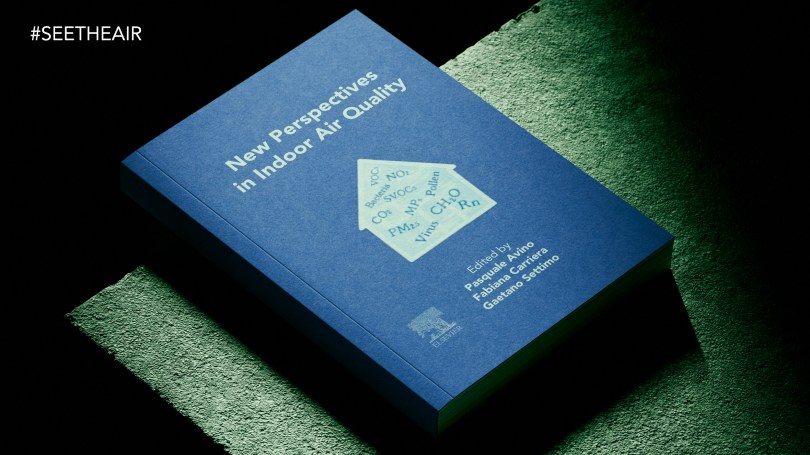
In an era where the average person spends between 80% and 90% of their life inside buildings, ranging from homes and offices to schools and transport, indoor air quality (IAQ) has transitioned from a niche concern to a critical public health priority. The newly released 2025 publication, New Perspectives in Indoor Air Quality, by Pasquale Avino, Fabiana Carriera, and Gaetano Settimo, emerges as a definitive guide for experts navigating this complex landscape. This volume offers a profound synthesis of historical context, cutting-edge monitoring technologies, and future-proof mitigation strategies.
The Invisible Importance of Indoor Air
Indoor air pollution is not a modern phenomenon. Humans have grappled with indoor contaminants since the first campfires were brought into caves 1.5 million years ago. Historically, civilizations developed sophisticated methods to manage air: the Romans used hypocausts to circulate warm air under floors, while ancient Persians pioneered windcatchers, zero-energy towers that capture and redirect wind for natural ventilation.
Today, the stakes are higher. Poor IAQ is linked to a broad spectrum of health issues, including respiratory diseases, cardiovascular problems, and neurological damage. The current global challenge lies in balancing energy-efficient, airtight building designs with the need for fresh, clean air.
Pollutants That Matter: The Modern Checklist
For air quality experts, this publication provides an exhaustive breakdown of the contaminants currently threatening indoor environments:
- Particulate Matter (PM2.5 and PM10): Often exceeding WHO recommendations, PM levels are heavily influenced by indoor activities like cooking, smoking, and cleaning, as well as the infiltration of outdoor traffic pollution.
- Carbon Dioxide (CO2): While a natural byproduct of metabolism, levels above 2000 ppm can impair cognitive function and serve as a proxy for inadequate ventilation.
- Volatile Organic Compounds (VOCs): Found in everything from building materials to cleaning products, these chemicals are a primary focus for modern indoor sensing.
- Emerging Threats: The book sheds light on less-discussed pollutants like Hydrogen Sulfide (H2S) from sewage systems, Radon, and persistent organic pollutants like PCBs and flame retardants.
Policies, Standards, and the Global Gap
A standout feature of New Perspectives in Indoor Air Quality is its analysis of the regulatory environment. It contrasts the robust IAQ frameworks in wealthier nations with the challenges faced by developing countries, where reliance on solid fuels and limited monitoring resources often leads to higher exposure risks.
Maybe this is where the Global Open Air Quality Standards can bridge the gaps by shifting from rigid design prescriptions to flexible open performance standards, thereby reducing barriers to implementation and establishing clear, universal limits for all.
−Sotirios Papathanasiou
Why This Volume is Essential for Experts
New Perspectives in Indoor Air Quality offers immense value to air quality professionals, architects, and public health officials through several key lenses:
1. Interdisciplinary Case Studies
Experts can gain insights from specialized environments, including hospitals where bio-contaminated air must be strictly controlled and public transport systems that present unique ventilation challenges.
2. Technological Innovations
The text explores the shift toward IoT-based monitoring. One compelling study demonstrates that visualizing IAQ data via dashboards can improve a person’s perception and awareness of air quality by approximately 40%. It also provides technical data on filtration efficiencies, such as the performance of ISO ePMx filters and the rising market for portable air cleaners.
3. Future-Proofing for Climate Change and Pandemics
The publication addresses the “COVID-19 effect,” which has permanently altered building design to emphasize improved filtration and air exchange. It also considers how climate change will shift the distribution of biological pollutants like fungi and aeroallergens, requiring regular updates to local design standards.
Final Recommendation
For any professional dedicated to the science of the built environment, New Perspectives in Indoor Air Quality is an indispensable resource. It moves beyond simple pollutant monitoring to offer a holistic vision of risk mitigation and the promotion of healthy indoor environments.
Discover more from See The Air
Subscribe to get the latest posts sent to your email.

