
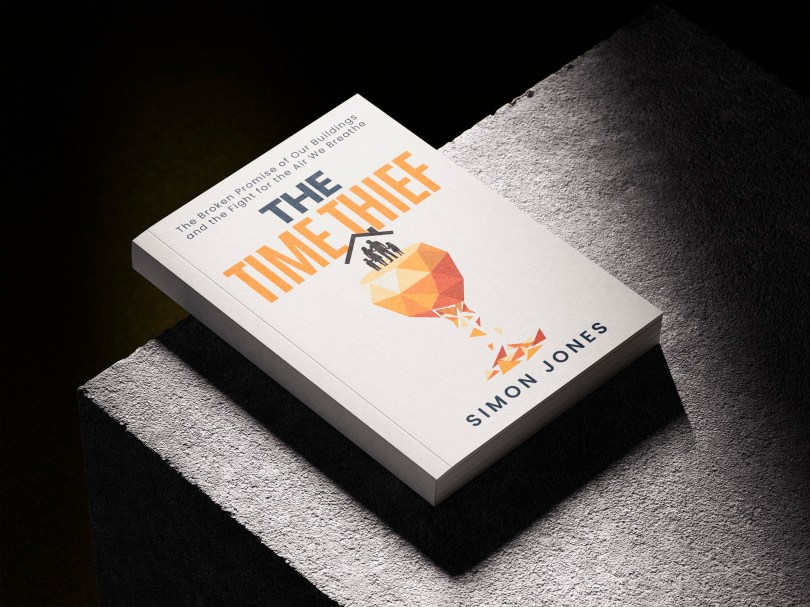
In The Time Thief — The Broken Promise of Our Buildings and the Fight for the Air We Breathe, Simon Jones presents a sobering “manifesto” that unmasks a silent systemic failure within our modern built environment. While the title might initially evoke a sense of mystery, Simon meticulously explains throughout the narrative that the “Time Thief” is not a metaphor, but a literal description of how poor indoor air quality and structural failures rob us of our literal lifespan. By detailing the physiological and societal toll of the “invisible pollutants” that compromise human health, Simon justifies his chosen title, demonstrating how the very buildings intended to protect us are, in fact, stealing years of our lives.
Throughout the book, Simon anchors his argument in four fundamental truths that challenge our complacency regarding the built environment.
The Truth of the Inhalable Diet
One of the most striking “truths” shared by experts like Tanya Kaur Bedi is the concept of the “inhalable diet”. While society is obsessed with the quality of the 2,000 calories we eat daily, we largely ignore the 10,000 to 15,000 liters of air we consume every single day. This truth highlights a dangerous double standard: we would never accept lead-contaminated tap water, yet we routinely accept air filled with a “transparent chemical soup” of VOCs, particulates, and nitrogen dioxide.
The Truth of Compliance vs. Safety
A central theme discussed by experts like Nathan Wood and Chris Rush is the “race to the bottom” regarding building standards. The book argues that “compliant” does not mean “safe,” as minimum legal standards often become the maximum ambition for developers. This truth reveals a culture where ventilation is treated as a technical add-on or a “toaster” to be plugged in and forgotten, rather than a critical “life-safety system” comparable to a fire alarm.
The Truth of Data and Visibility
The book champions the “Data Truth” as a primary tool for accountability. Experts like Jenny Danson, myself and others emphasize that because poor air quality is invisible, it does not trigger the same visceral response as a visible threat like a mouldy wall. By using low-cost monitors to make the invisible measurable, residents and workers can finally demand healthier environments and move away from “tenant-blaming” toward evidence-based structural changes.
The Truth of Health Inequity
Perhaps the most painful truth Jones explores is the “postcode lottery” of air quality. Experts note that the ability to breathe clean air has become a luxury tied to wealth and geography, creating a “triple jeopardy” where the most vulnerable people often live in the most polluted, poorly maintained environments with the least power to change them. Jones and contributors like José Luis Castro argue that clean indoor air must be defended as a universal human right rather than a premium feature.
The Time Thief is ultimately an urgent call to break the silos between the medical community and the construction industry. It moves beyond technical jargon to present air quality as a moral issue, forcing us to choose between continuing to normalize building failure or taking collective responsibility for the air that literally shapes our lives.
I highly recommend this book for anyone interested in health, architecture, or social justice. It moves beyond technical jargon to present air quality as a moral issue, forcing us to choose between continuing to normalize building failure or taking collective responsibility for the air that shapes our lives.
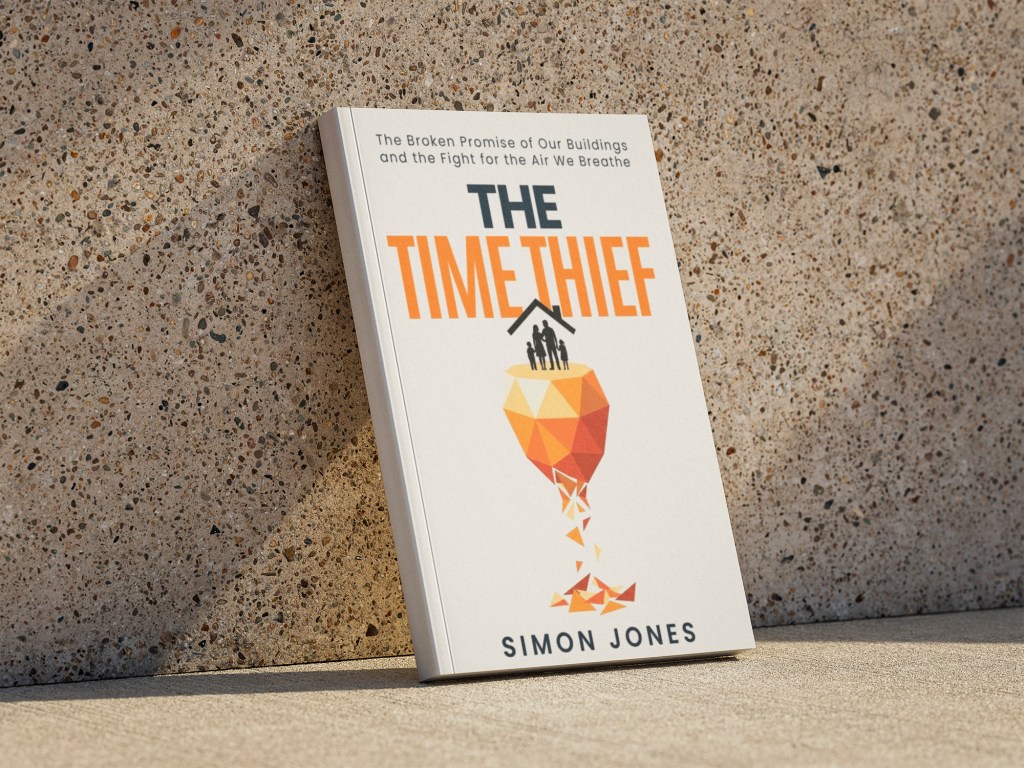
You can find the book here: The Time Thief on Amazon
Discover more from See The Air
Subscribe to get the latest posts sent to your email.


Thank you Sotirios for the Review and Simon Jones for the Masterpiece🙏
LikeLiked by 1 person