

Renting an apartment often means limited control over modifications, especially when it comes to essential systems like ventilation. Poor indoor air quality can significantly impact health and well-being, but drilling holes for traditional ventilation systems is usually out of the question. This article presents a simple, affordable DIY project using a standard air purifier to bring fresh, filtered air into your rented space without any permanent alterations.
The Problem: Stale Indoor Air and Renting Restrictions
Old apartments but also modern, energy-efficient apartments can sometimes suffer from poor ventilation, leading to a buildup of indoor pollutants like CO2, volatile organic compounds (VOCs), and particulate matter. While opening windows is a simple solution, it’s not always practical due to weather, noise, or outdoor air pollution. Renters often face the added challenge of not being allowed to make structural changes, ruling out traditional ventilation installations.
The DIY Solution: Air Purifier Ventilation
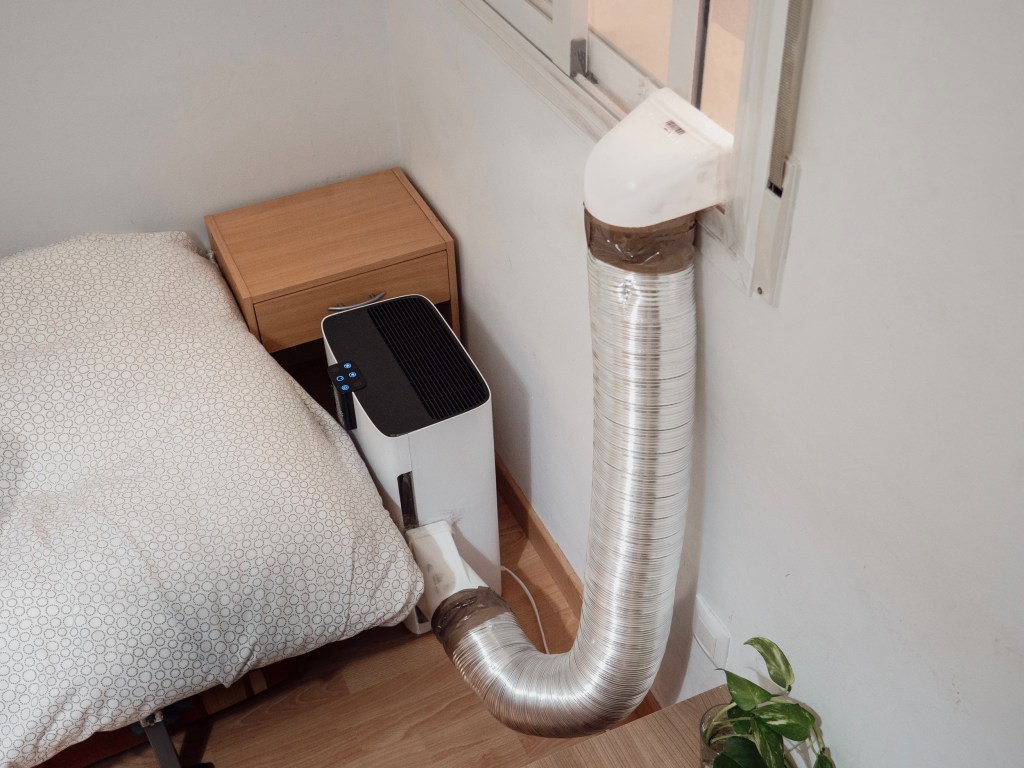
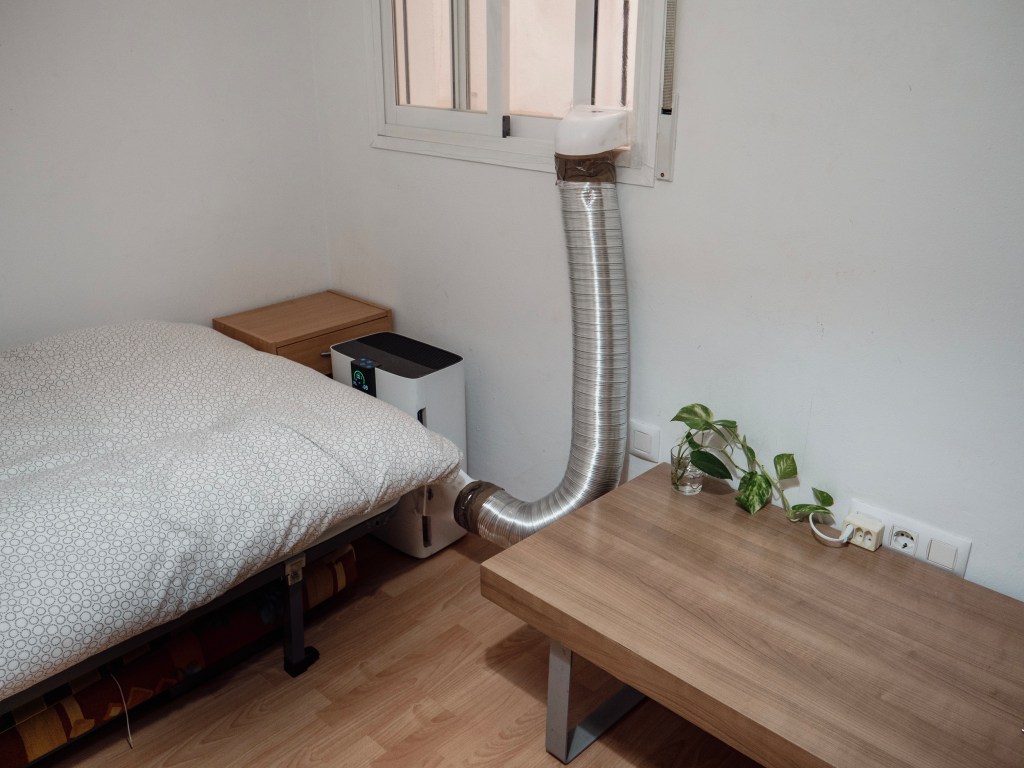
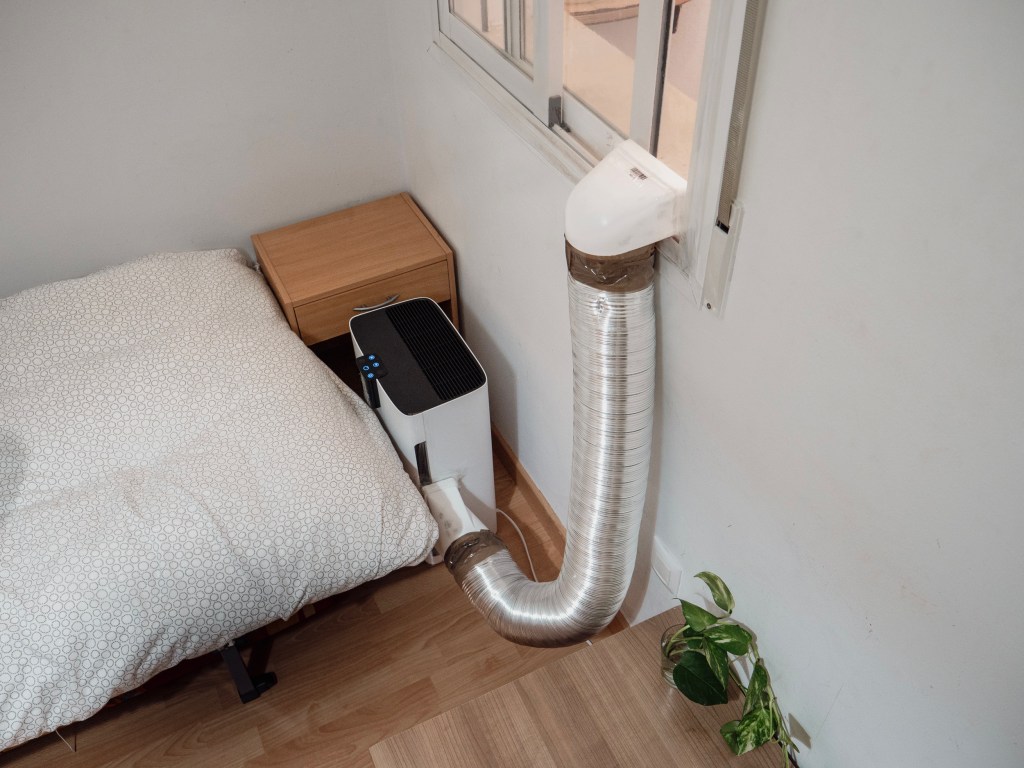
This project uses a standard standalone air purifier in a novel way to introduce fresh, filtered outdoor air. The key components are:
- A Standard Air Purifier: Choose one with a HEPA filter for particulate matter and a carbon filter for gases. Programmable models are highly recommended for automation.
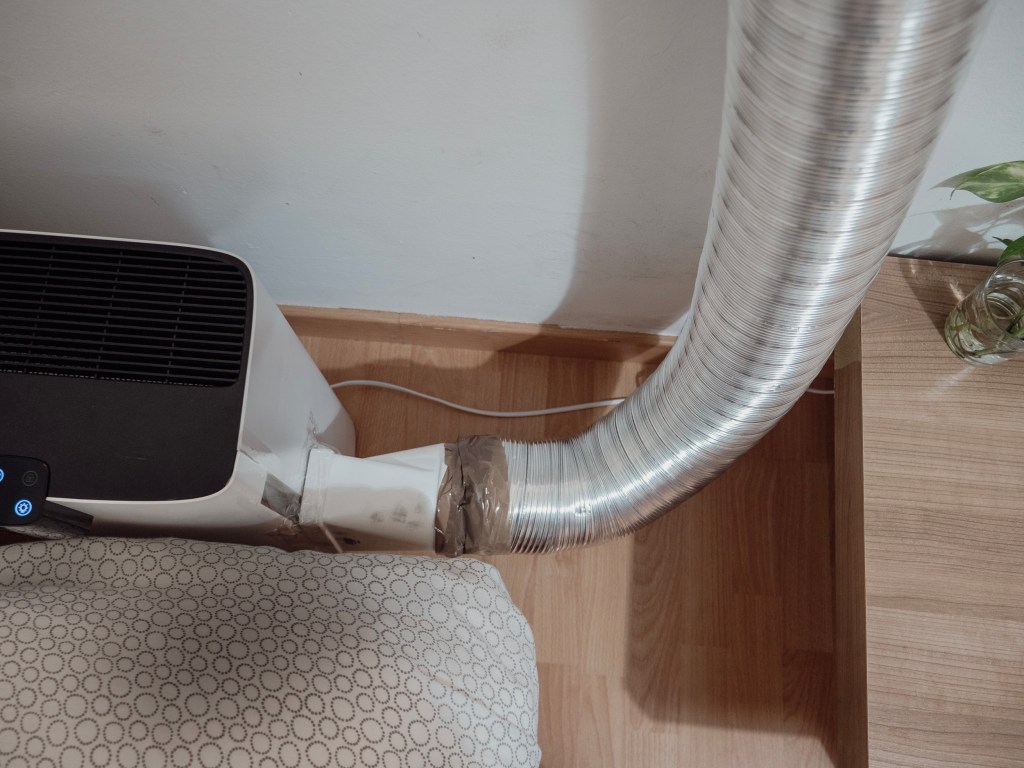
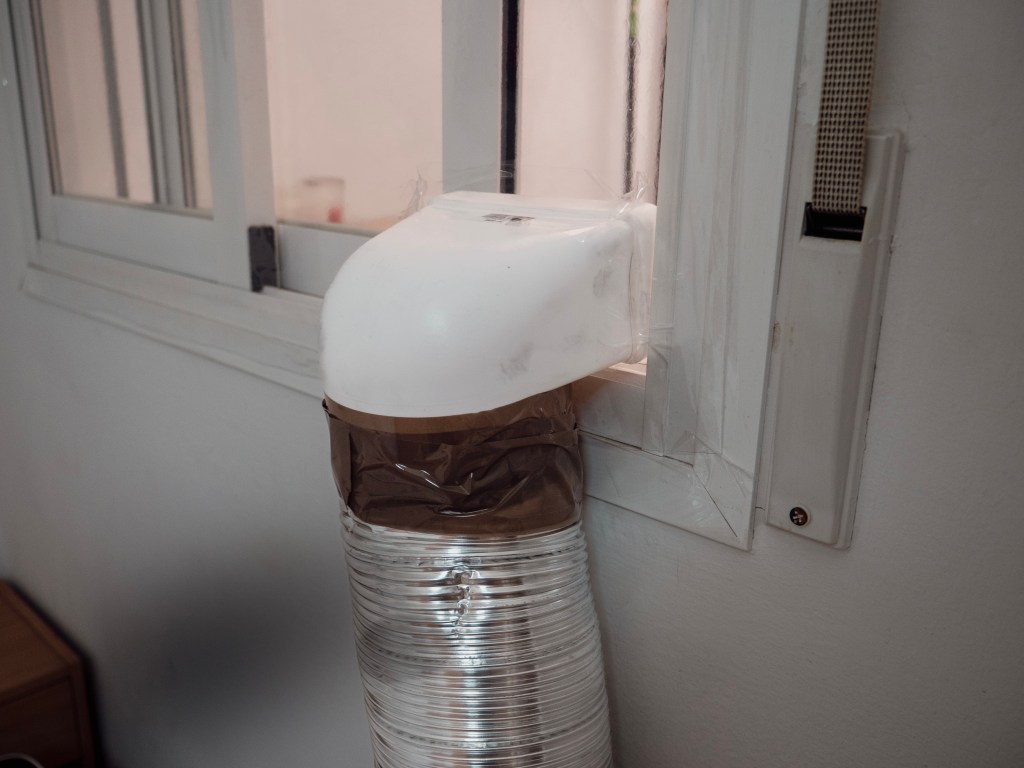
- Flexible Tubing and Window Adapter: These connect the air purifier’s intake to a slightly opened window. You can find suitable tubing and adapters at most hardware stores for around €15.
How it Works:
- Window Connection: Securely attach one end of the tubing to the air purifier’s air intake. Attach the other end to a window adapter designed to fit snugly into a slightly opened window. This creates a pathway for outdoor air to be drawn into the purifier.
- Filtration: Outdoor air enters the tubing and is drawn through the air purifier’s filtration system. The HEPA filter removes particulate matter (dust, pollen, PM2.5), while the carbon filter captures some gaseous pollutants.
- Indoor Air Delivery: The purified air is then circulated back into the room by the air purifier’s fan.
Automating for Optimal Performance:
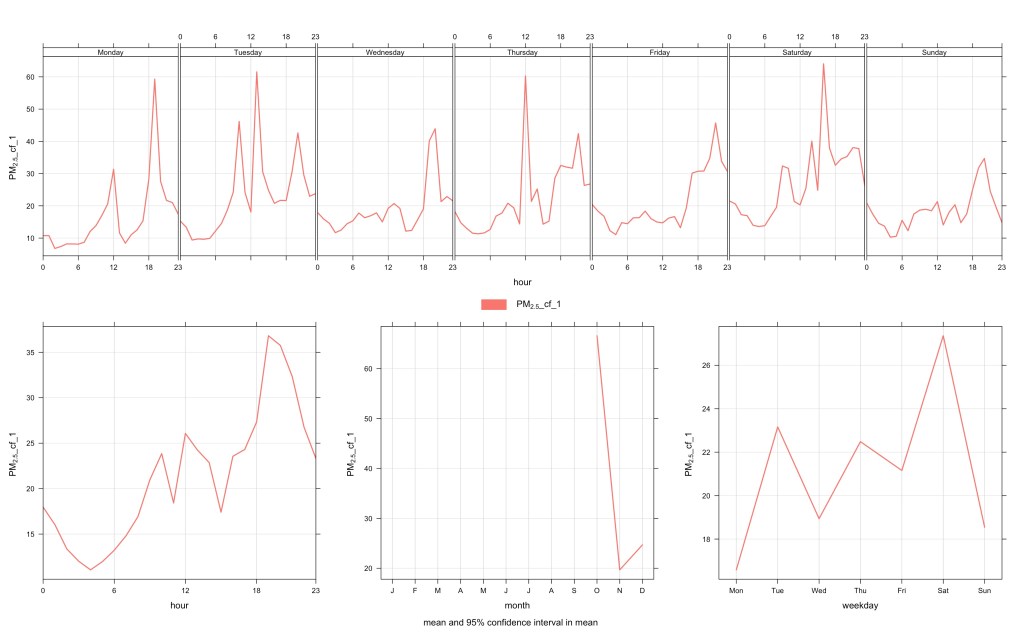
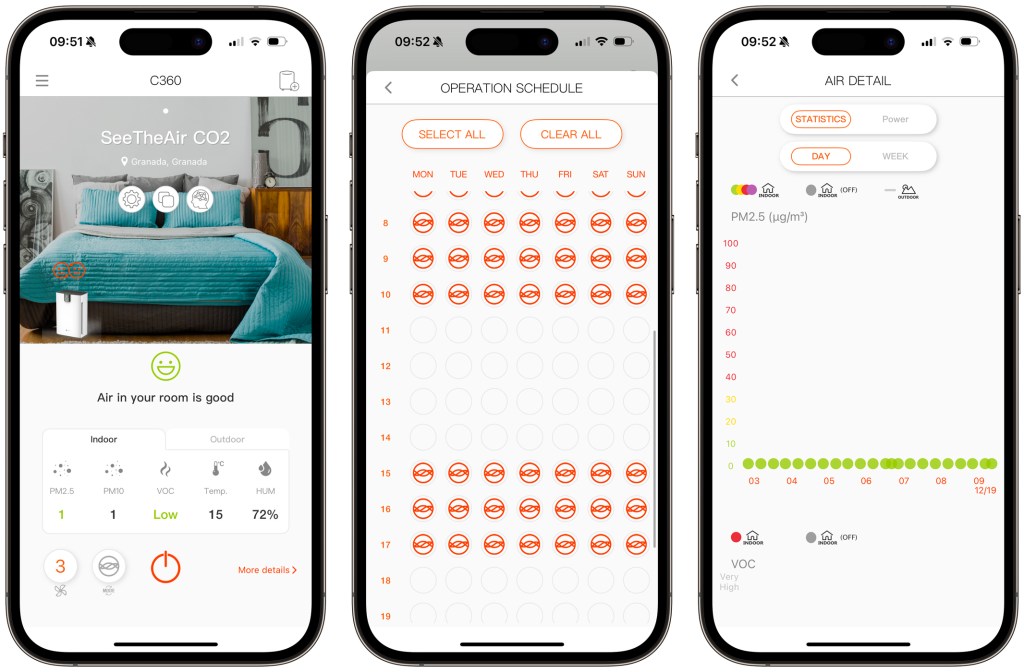
A key advantage of using a programmable air purifier is the ability to automate ventilation based on outdoor air quality. For example, during winter and wood-burning season, outdoor pollution levels can fluctuate significantly. By gathering data on outdoor air quality (e.g., using online resources or personal monitoring) for a month, you can identify peak pollution times.
During wood-burning season, in particular, this automation is crucial. While the carbon filter can remove some wood smoke components, it can quickly become saturated, and not all gases from wood smoke are effectively filtered. Therefore, it’s best to avoid ventilating during peak pollution periods to preserve the filter’s lifespan and prevent introducing more unfiltered pollutants indoors.
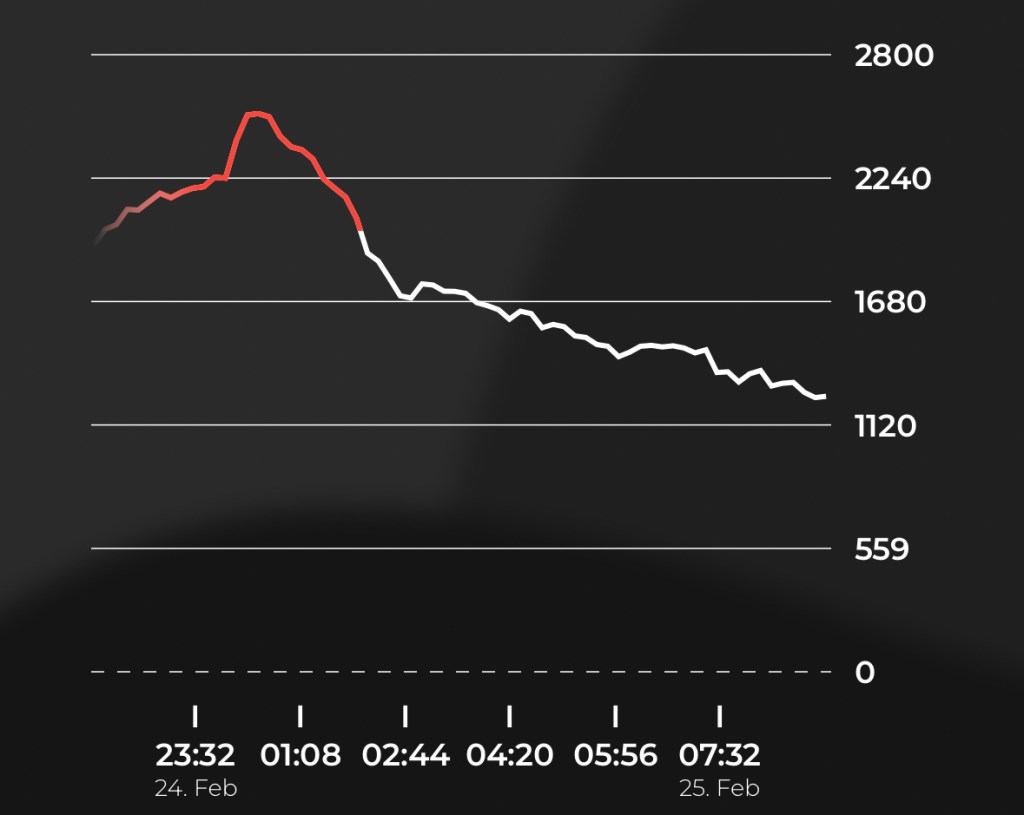
A significant additional benefit of this DIY ventilation system is the creation of positive pressure within the apartment. By actively drawing outdoor air in and circulating it, the air purifier effectively increases the indoor air pressure relative to the outside. This positive pressure acts as a barrier against the infiltration of outdoor pollutants through gaps in doors, windows, or other leaky points in the building envelope. Instead of outdoor air being drawn inwards through these openings due to negative pressure (which is common in poorly ventilated spaces), the positive pressure forces indoor air outwards, further reducing the entry of unfiltered pollutants and enhancing the overall effectiveness of the filtration system. This added layer of protection is particularly valuable in urban environments with high levels of outdoor air pollution.
Benefits:
- Improved Indoor Air Quality: Brings in fresh, filtered air, reducing CO2 levels and other pollutants.
- No Permanent Modifications: Ideal for renters as it requires no drilling or structural changes.
- Cost-Effective: Primarily relies on a standard air purifier, with minimal additional expense for tubing and adapters.
- Customizable and Automatable: Can be adapted to individual needs and automated based on outdoor conditions.
Important Considerations and Disclaimer:
- Air Purifier Design: Air purifiers are not designed for this specific purpose. Using them in this way might affect their lifespan or efficiency. Proceed with caution.
- Filter Saturation: Monitor the filters regularly and replace them as needed, especially during periods of high outdoor pollution. The carbon filter will saturate faster than in normal use.
- Weather Considerations: This method is best suited for moderate weather conditions. Avoid using it during extreme temperatures or heavy precipitation.
- Window Security: Ensure the window is still securely closed or locked when using the adapter.
- Limited Scope: This solution provides supplemental ventilation and may not completely replace a dedicated mechanical ventilation system.
This DIY project offers a practical and affordable way for renters to improve indoor air quality without violating lease agreements. By understanding the limitations and taking necessary precautions, you can create a healthier and more comfortable living environment.
Open Letter: Is It Time for Air Purifiers to Evolve?
The increasing awareness of indoor air quality and the limitations faced by renters highlight a clear need for innovation in the air purification industry. Manufacturers should consider developing air purifiers with integrated features that facilitate this type of adaptable ventilation-filtration solution. This could include purpose-built window adapters, optimized airflow designs for drawing in outdoor air, and advanced filter technology designed to handle the higher pollutant loads associated with bringing in unfiltered air. Such innovations would empower renters to take control of their indoor environment without requiring permanent modifications to their living spaces, creating a new market segment for adaptable and multi-functional air purification devices. This shift would not only benefit consumers but also position manufacturers at the forefront of a growing demand for practical and accessible ventilation solutions.
Discover more from See The Air
Subscribe to get the latest posts sent to your email.
 See The Air
[…] to note that Nathalie’s work on the FantaMix was inspired by our very own article, “DIY Ventilation Solution for Renters.” It’s wonderful to see how shared knowledge and innovation can lead to such practical […]
LikeLike
[…] A DIY Ventilation Solution for Renters […]
LikeLike