Wearable or portable devices are not so often considered important in order to protect yourself from air pollution. Most ads claim that we spend 90% indoors and we need an indoor AQ Monitor which is true but we also move around we go to work or we visit friends and family who don’t have an AQM in their house or simple they are not aware of the problem.
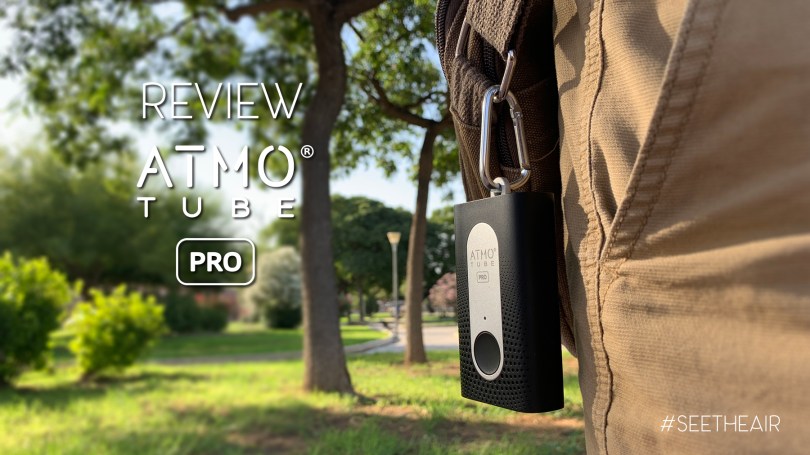
Here comes the new Atmotube PRO a small portable AQM equipped with a laser scattering PM1, PM2.5 and PM10 sensor. It also features a VOC sensor and a complete weather station with humidity, temperature and barometric sensor.
Recently, I travelled to Egypt and I had the pleasure to visit and see many fantastic and immense monuments like the Great Pyramid of Giza, the Abu Simbel temples and many others. A fantastic journey through ancient Egypt which literally transfers you to this great ancient civilization.
It rarely rains in Egypt and the temperature in summer can easily reach 48ºC/118ºF. That said, the Sahara desert plays an important role in the climate and air quality of the country. Particulate Matter is the main natural air pollutant and impossible to combat.
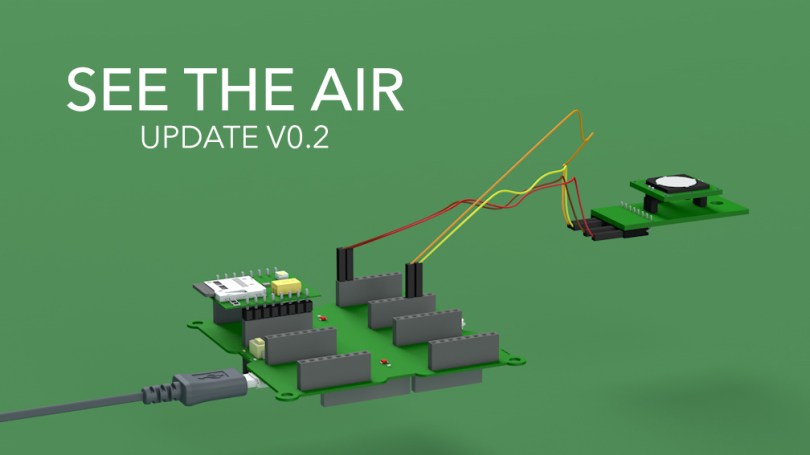
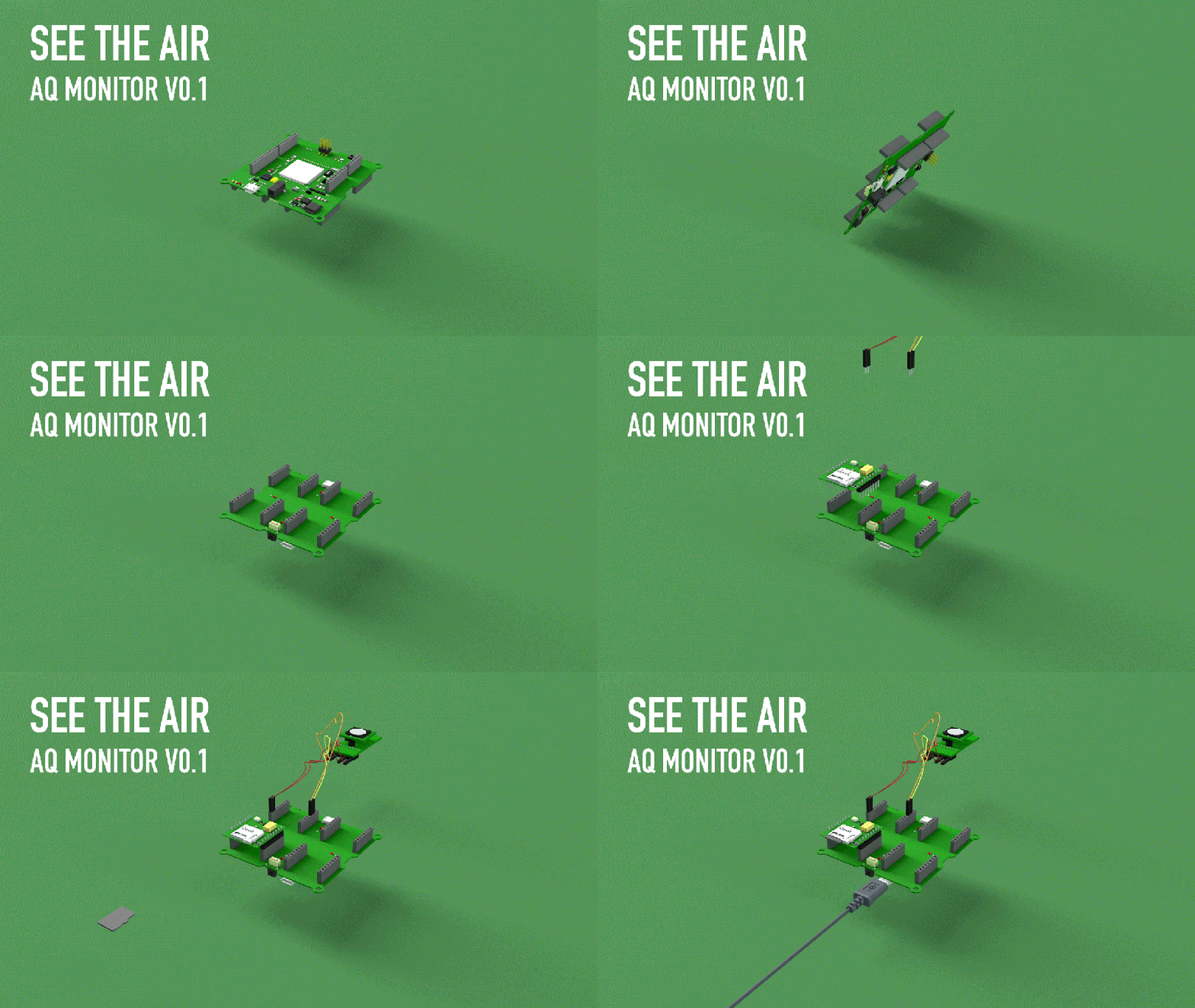
In my previous post I presented the version 0.1 of my DIY Air Quality Monitor which uses a Nitrogen Dioxide sensor. In this post I am going to analyse the Nitrogen Dioxide NO2 sensor which is made by Spec-Sensors DGS-NO2 968-043 .
Calibrating your sensor.
In most cases the sensor isn’t calibrated which means that we have to set a zero point in order to get more accurate measurements. The company can calibrate it for you in a special chamber but you have to pay extra. In order to calibrate it on your own you have to be in a clean environment – without the presence of NO2 or NO or O3 – and then follow the instructions below which I have taken from the datasheet.Read More »
Have you ever been in a situation where you wish you had had a device tailored to your needs? Over the years I have reviewed various Air Quality Monitors but each time they lack something which will make them unique to me. Don’t get me wrong each device has its features and characteristics, some of them are amazing and some of them not very useful. As a result, I decided to build my DIY AQM. I couldn’t have done it without Electronza and Teodor Costachioiu help with coding, he is a brilliant coder/engineer. I absolutely recommend you to check his blog you will find a lot of interesting projects.
The idea of having an Air Quality Monitor anywhere you go seems good especially when you can have 9 sensors with you. So here is a tip on how to convert a stationary IoT indoor AQ monitor to a portable one, in this case I will demonstrate it with the uHoo because I really want to measure some NO2 and O3 concentrations in some busy spots of the city.
There two ways to do that, one of which isn’t easy but bear with me.
Over the years, I have reviewed some very good face masks on See The Air like the Cambridge Mask and Vogmask. The only backward is the price especially when you have to buy them frequently because you wash them often and you wear them a lot. There is a solution by using masks such as the AirGo which allows you to chance the filters and the neck warmer is durable and washable and the O2 Canada Respirator which allows you to change filter easily. However, I wanted to try a cheap and lightweight face mask for the summer which will cost around $3 and it will have the ability to use exchangeable filters because I want to be able to wash it once a week.
Over the past few years, I have been tweeting and posting messages on social media platforms about air quality and pollution issues around the globe and I have noticed that the more severe the message the greater the response from people (likes and/or retweets). The same technique is being used by newspapers and magazines to achieve greater impact.Read More »
A USA air quality monitor in comparison with a DIY German air quality monitor. How well do they perform with each other? Full disclosure, the software the monitors run is developed in the mentioned countries. The components from both devices are made mostly in China.
We already know PA-II’s correlation of coenficency R²≈0.87 with the corresponding FEM GRIMM and FEM BAM.
The SDS011 sensor which is most commonly used in the Luftdaten project has a correlation of coenficency R²≈0.84.
The PA-II features a double PMS5003 laser sensor. The PA-II module averages out the values from the two sensors, so in case one of the two sensors registers unexpected high readings, (perhaps some dust or insects etc) this technique makes the readings less questionable. The Luftdaten DIY project as we have mention above mostly uses one SDS011 laser sensor. However, the Luftdaten software supports many PM2.5 sensors including the PMS5003 series among others.
Analysis
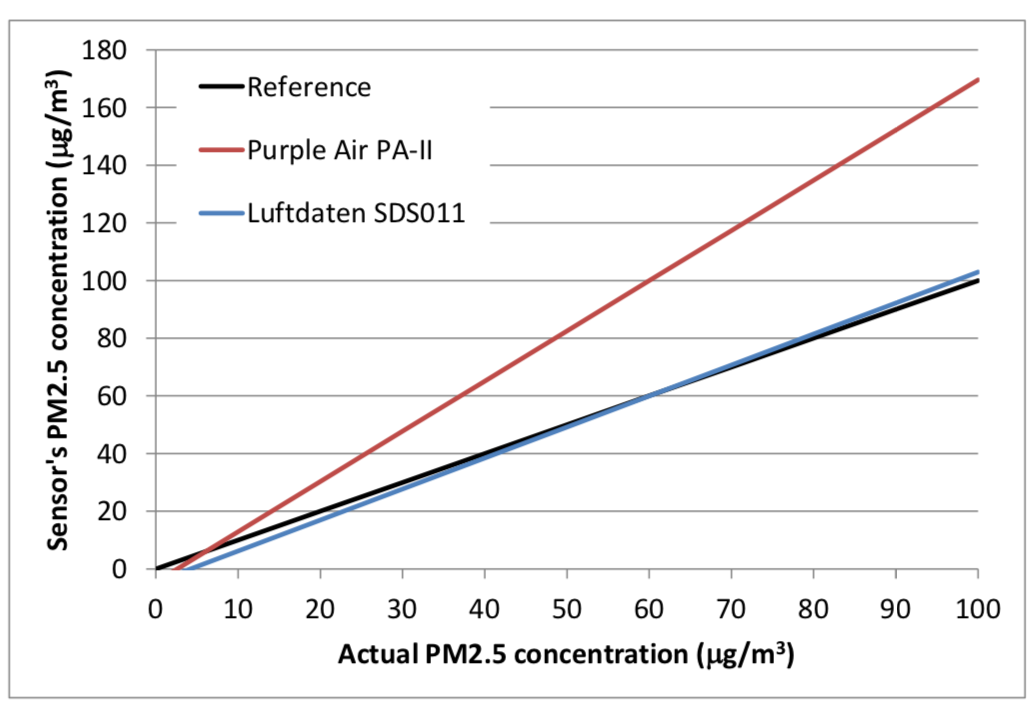
My friend Ashley from Plume Plotter has already done a comparison between the Purple Air PA-II, the Luftdaten SDS011 and DEFRA for a complete year of data link.
First of all, by comparing PA-II’s two identical sensors we can see on the graph below that the Sensor B has the tendency to register higher concentrations over time, on my device, maybe another device has a different behavior. So the process of averaging out the concentrations from both sensors has some positive results.
Many scientific papers insist that the PMS5003 and SDS011 sensors are nephelometers and not particle counters. Which means that they are influenced by humidity. Nephelometer comes from the compound Greek word nephelo “Νέφος” which means cloud.
I live in an area with high humidity. Right now the official RH is 83%. The PA-II registers 51.6μg/m3 and Luftdaten 38.3μg/m3. The difference between them is huge. However, both devices are mistaken. Purely for your information the humidity sensor in the Luftdaten device measured RH 94% the PA-II measured RH 53% and AirVisual measured RH 72%. From my experience, I would say that the relative humidity is definitely above 80%.
From the graph below we can see the same results. The PM-II overestimates the PM2.5 concentrations most of the time in comparison with the Lufdaten sensor. Both devices seem to measure the same fluctuations over time so there is some correlation. The humidity that day started low at RH 30% and climbed up to 60% at the end of the day. There is an influence between humidity and how the sensors and especially the PA-II measure PM2.5 concentrations without any doubt.
SeeTheAir: 24h PA-II & Luftdaten side by side
Conclusion
The conclusion that I get from my everyday readings having the two devices side by side and from Plume Plotter’s analysis is that the PA-II overestimates the PM2.5 concentrations especially when relative humidity is above ~55% while the Luftdaten’s readings are more adjacent to the official readings.
Plume Plotte: Regression lines for Luftdaten sensor and Purple Air PA-II sensor readings vs. actual (reference instrument) concentrations.









 See The Air