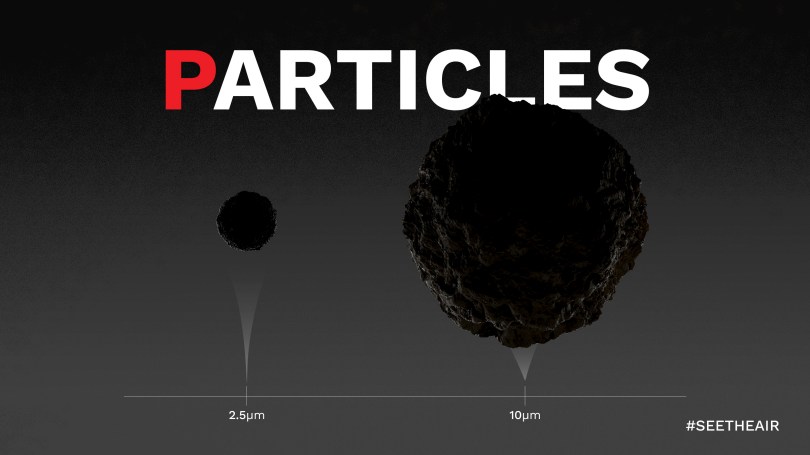
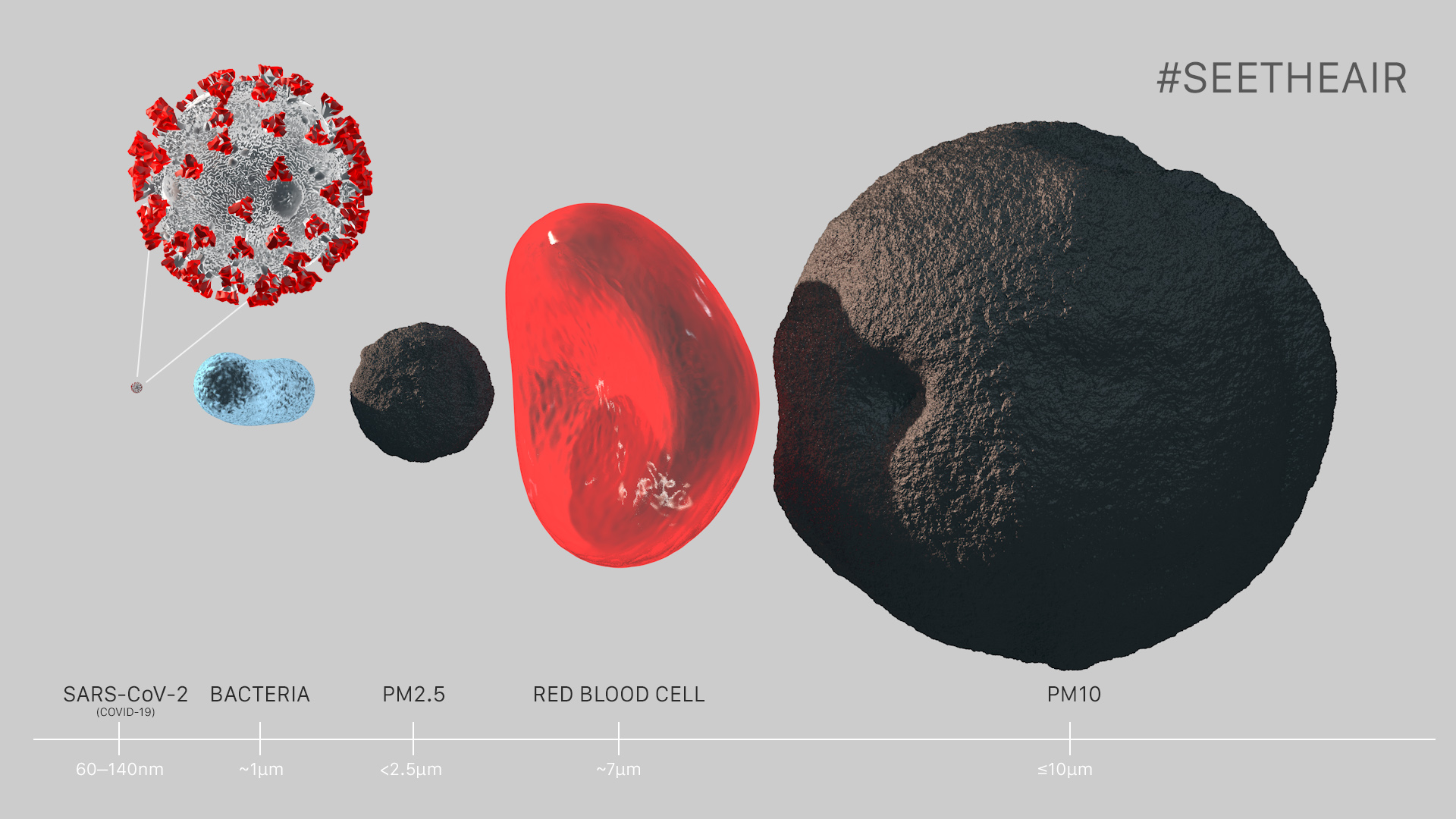
UPDATE: In international atmospheric science, particulate matter is strictly categorized by aerodynamic diameter to ensure precise toxicological communication. Fine Particulate Matter (PM2.5) refers to particles with a diameter of 2.5 μm or less, whereas Ultrafine Particles (UFPs) specifically define particles with a diameter of 0.1 μm (100 nm) or less. The confusion stems directly from South Korea’s localized legal and media definitions, where the term Mise-meonji (Fine Dust) is used exclusively to describe PM10, while Cho-mise-meonji (Ultrafine Dust) is used to describe PM2.5. By labeling PM2.5 as “ultrafine dust,” regulatory frameworks conflate two entirely different physical threats. True UFPs possess negligible mass but massive particle number concentrations, allowing them to cross biological barriers more easily. Attempting to manage public risk under this inverted vocabulary masks the lack of actual monitoring for true sub-micron particles.
The second issue is the lenient regulatory target. South Korea’s Indoor Air Quality Control Act sets the maximum allowable level of PM2.5 in public facilities at 40 μg/m3. While framed locally as a protective standard, this threshold remains remarkably high when compared to progressive baseline standards. For perspective, the GO IAQS Starter tier sets a stricter 24-hour limit of 25 μg/m3 specifically to lower the financial entry barrier for global air quality investments and ensure socioeconomic inclusivity.
Read More »