
At See The Air, we have spent years advocating for a fundamental truth: clean air is a human right, and our children deserve the absolute best protection where they spend most of their day—inside the classroom.
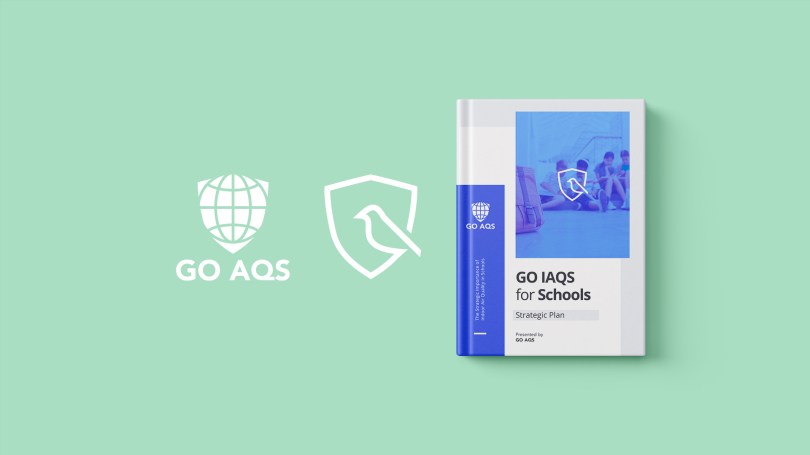
That is why I am thrilled to share a massive milestone in global air advocacy. The Global Open Air Quality Standards (GO AQS) has officially launched GO IAQS for Schools, a groundbreaking strategic plan designed to transform educational environments from passive shelters into active, health-protective zones.
For too long, policy regarding school air has relied on generic, “check-box” ventilation advice. GO AQS is changing the game by shifting the focus toward health-based performance metrics.
The Vision: “Same Air, Same Standards”
The core philosophy behind the GO IAQS for Schools initiative is beautifully simple: Same Air, Same Standards.
Air pollution and airborne pathogens don’t care about geography or economic status. This initiative aims for global adoption, ensuring that children in resource-limited settings are protected by the exact same high-performance metrics as those in the most developed economies. By replacing vague guidance with strict, science-based performance standards, the framework ensures air quality is maintained at levels that protect even the most clinically vulnerable students and staff (such as those managing asthma or compromised immune systems).
A Practical Roadmap for Classrooms
What makes this initiative so vital is that it isn’t just a theoretical white paper. It provides a highly actionable implementation roadmap that school staff, parents, and administrators can actually execute. The strategy breaks down into five fundamental steps:
- Establishing a Baseline IAQ Audit: Using proper monitoring instruments to document current air performance and uncover unique, localized pollutant profiles.
- Developing Targeted IAQ Plans: Creating living, localized roadmaps that prioritize fixing the most urgent environmental deficiencies first.
- Strategic Prevention and Maintenance: Introducing simple but powerful daily operational shifts, like transitioning to fragrance-free cleaning products and programming HVAC “flush out” cycles to clear accumulated pollutants before kids arrive.
- Continuous Monitoring: Deploying real-time monitors to unmask hidden daily pollutant cycles and displaying data via digital dashboards to provide total transparency for parents and staff.
- Educational Integration: Turning environmental health into a teaching tool. By allowing students to interact with real-time air data, schools can weave air quality directly into their science curriculums.
A Growing Global Alliance
This isn’t an isolated effort. GO AQS has rallied a powerful coalition of grassroots and global organizations dedicated to protecting student health and cognitive performance. Some of the incredible supporting organizations include Mums for Lungs, Safer Air Safer Schools, The Safer Air Project, Clean Air for Kids , Safe Air Schools UK, Clinical Vulnerable Families , Clean Air Where, Goumbook, Take a Breath, Clean Indoor Air Toronto, Clean Air Advocacy Ireland, EDIAQI, Fundación Visible, Clean Air Allies, and many more.
The logic is undeniable: the exact same clean air that keeps a clinically vulnerable child safely in school also elevates cognitive performance, drops absence rates, and improves long-term health outcomes for every single child and teacher in the building.
Get the Strategic Plan
If you are an educator, a parent, or an air quality advocate, I highly encourage you to explore this resource. We need to get these guidelines into the hands of school boards and decision-makers everywhere.
You can learn more about the initiative and download the full, comprehensive GO IAQS for Schools Strategic Plan for free directly from their dedicated portal: goaqs.org/go-iaqs-for-schools/
Let’s clean up the air our children breathe. Together, we can make thriving classrooms a global reality.
Discover more from See The Air
Subscribe to get the latest posts sent to your email.

