The Hidden Threat in Our Air: Why Measuring Indoor Ultrafine Particles (UFPs) Is a Modern Regulatory Maze

We have spent decades obsessing over PM2.5 —the fine particulate matter small enough to lodge itself in our lungs. We draft laws around it, track it on our phones, and buy home monitors to avoid it. But while our regulatory gaze has been fixed on particle mass, an invisible, almost weightless army of much smaller particles has been slipping through the cracks: Ultrafine Particles (UFPs).

Known technically as PNC0.1, these aerosols have an aerodynamic diameter of 100 nanometers or less. To put that in perspective, they represent a negligible fraction of total ambient mass, yet they often make up over 90% of the total particle number concentration (PNC) in our atmosphere. Because they are so unbelievably small, they don’t just settle in the lungs—they have the unique physical ability to cross into the bloodstream, posing distinct and severe health risks.

Yet, when we step inside our homes, we enter a measurement blind spot. In our current study across two Spanish cities—Granada and Almeria—we exposed a frustrating reality: meeting current PM2.5 standards provides a completely false sense of security when it comes to UFP exposure, and our current measurement tools and guidelines make it nearly impossible to tell if the air we breathe inside is actually safe.

Read More »

Launching the Air Quality Monitoring Market Matrix (GO AQM3)

This article was originally published by GO AQS and the original link is posted here.

At GO AQS, we receive continuous requests from facility managers, enterprise clients, and organizations seeking impartial advice on the best indoor, outdoor, portable, wearable, handheld, and hybrid air quality monitors for their specific projects.

To ensure complete fairness, transparency, and neutrality among our manufacturing partners, we are compiling the Global Open Air Quality Monitoring Market Matrix (GO AQM3). This tool will serve as an objective evaluation guide provided directly to active buyers looking for hardware recommendations.

Why Participate?

  • Direct Market Visibility: Present your products directly to qualified buyers actively searching for air quality solutions.
  • Fair & Standardized Platform: Equal representation for all products through standardized assessment criteria.
  • Accurate Representation: Ensure your latest specifications, certifications, and target applications are represented accurately—straight from the source.

How to Feature Your Products

To ensure your latest hardware models and features are included, we ask all monitor manufacturers to complete our survey only for products that are available in the market. We only accept commercially available hardware (B2B, B2C, or B2G), we will not accept crowdfunding campaigns, unreleased prototypes, or mockup future products.

Complete the Manufacturer Survey Here

About the Logo

Building on the classic protective shield of the original GO AQS design, the new GO AQM3 logo visually encapsulates the three core pillars of modern environmental monitoring. Within the shield’s outline sit three integrated elements representing the instrument’s key capabilities: precision sensing for pollutant measurement, connectivity for data transmission, and a central processing unit (chip) that intelligently manages data flow and monitor operations. Together, these icons highlight a complete, end-to-end monitoring solution.

The Missing Metric: How “Crowdsourced Data” Can Fix Our Broken Indoor Air Quality

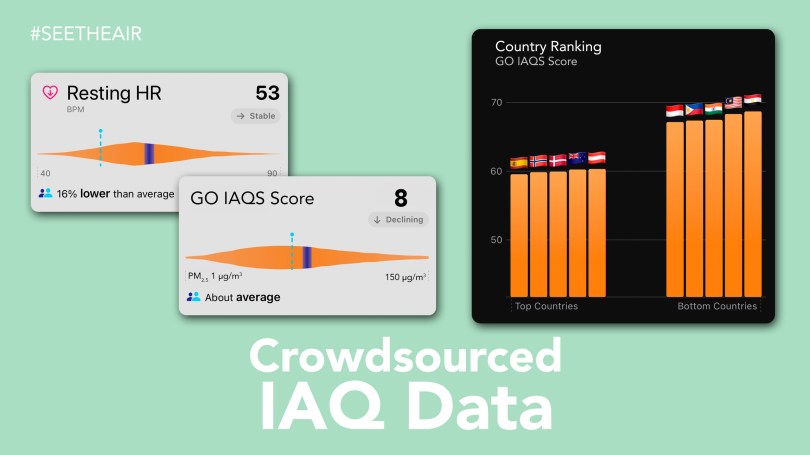
We live in an era of hyper-quantified health. Every morning, millions of us check our wrists to see how we slept, what our resting heart rate looks like, and how many steps we logged yesterday.

Apps like Health Hive have revolutionized this experience. By taking biometric data from tools like the Apple Watch and anonymously pooling it across a massive database of over 65,000 active users, they give us a powerful, context-rich mirror. It’s one thing to see your Resting Heart Rate (RHR) is 53 BPM; it’s an entirely different, highly motivating thing to open Health Hive and see a bell curve showing you are lower than 86% of similar users in your 40–49 age demographic.

Read More »

Big News for School Air: GO AQS Launches “GO IAQS for Schools”

At See The Air, we have spent years advocating for a fundamental truth: clean air is a human right, and our children deserve the absolute best protection where they spend most of their day—inside the classroom.

That is why I am thrilled to share a massive milestone in global air advocacy. The Global Open Air Quality Standards (GO AQS) has officially launched GO IAQS for Schools, a groundbreaking strategic plan designed to transform educational environments from passive shelters into active, health-protective zones.

For too long, policy regarding school air has relied on generic, “check-box” ventilation advice. GO AQS is changing the game by shifting the focus toward health-based performance metrics.

The Vision: “Same Air, Same Standards”

The core philosophy behind the GO IAQS for Schools initiative is beautifully simple: Same Air, Same Standards.

Air pollution and airborne pathogens don’t care about geography or economic status. This initiative aims for global adoption, ensuring that children in resource-limited settings are protected by the exact same high-performance metrics as those in the most developed economies. By replacing vague guidance with strict, science-based performance standards, the framework ensures air quality is maintained at levels that protect even the most clinically vulnerable students and staff (such as those managing asthma or compromised immune systems).

Read More »

Review: Atmotube PRO2 – From Consumer Gadget to Citizen Science Instrument

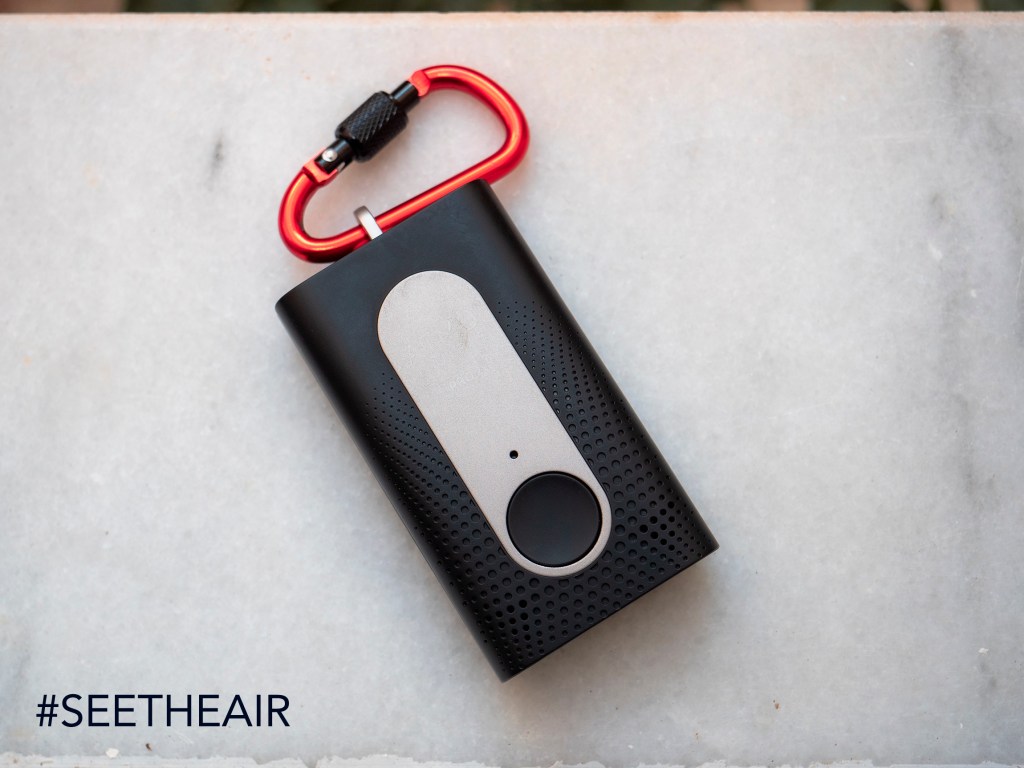
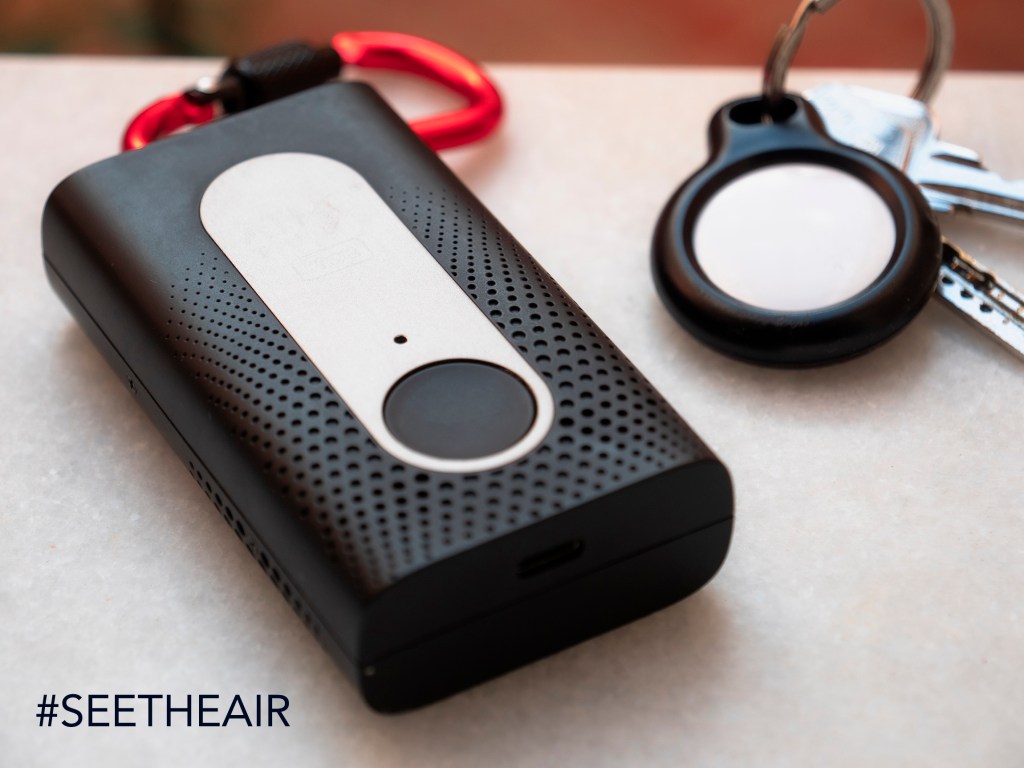
The Atmotube PRO2 marks a significant evolution in the world of personal air quality monitors (PAQMs). While it retains the rugged, familiar aesthetic of the original Atmotube PRO, the internal upgrades transform it from a consumer gadget into a serious scientific tool. Having put this device through a rigorous “field test”, it is clear that ATMO has listened to the research community to solve the most nagging pain points of the first generation.

Technical Specifications: A Scientist’s Toolkit

Here is the breakdown of the sensor suite:

  • PM sensor for PM1, PM2.5, PM10, and PCN0.5 (Sensirion SPS30)
  • NOx and TVOC sensor (Sensirion SGP41)
  • Temperature, Humidity (Sensirion SHT40-AD1B)
  • Air Pressure (Infineon DPS310)
  • CO2 sensor (Sensirion STCC4)
  • Built-in GPS (Allystar TAU1113) and Accelerometer (MiraMEMS da213B)
  • USB-C data access Sync history data with multiple devices
  • Memory size 16MB
  • Battery Li-Po 2300 mAh
  • Bluetooth 5.0
  • Weight: 106 g (3.7 oz)
  • Dimensions (H × W × D): 86 x 50 x 22 mm (3.4 x 2 x 0.9 in)

Something important to keep in mind as I found evidence that the device can measure PCN0.5 particle bin. If in the future the Atmotube PRO2 provides a precise particle count for the submicron fraction, which aligning with Global Open Air Quality Standards (GO AQS) recommendations to move beyond standard PM2.5 monitoring, this is crucial because traditional mass concentration (μg/m3) often fails to capture the significant health impacts of these tiny submicron particles.

Read More »

Bridging the Gap: AirGradient and GO AQS Announce Webinar on the Future of Indoor Air Quality Standards

As the global conversation around indoor air quality (IAQ) intensifies, the industry is moving toward a critical realization: data is only as good as our ability to understand it. Currently, the world of air quality monitoring is often fragmented, with different manufacturers and regions using varying metrics, languages, and benchmarks.

To address this challenge, we are thrilled to announce that AirGradient organized a special upcoming AirGradient Forum featuring the Global Open Air Quality Standards (GO AQS), alongside AirGradient.

Moving Toward a Unified Language

The centerpiece of this discussion will be the practical application of the GO IAQS Score. Developed to move away from fragmented communication, the GO IAQS methodology aims to provide a unified benchmark that allows for global understanding across diverse indoor environments—from classrooms in Bangkok to offices in Dublin.

During the session, Sotirios Papathanasiou and Achim Haug will take a deep dive into the strategic decisions made during the development of these standards. They will address one of the most significant challenges in the field: how to balance complex, high-resolution sensor data with the need for a simplified, actionable output that everyday users can trust and act upon.

Read More »

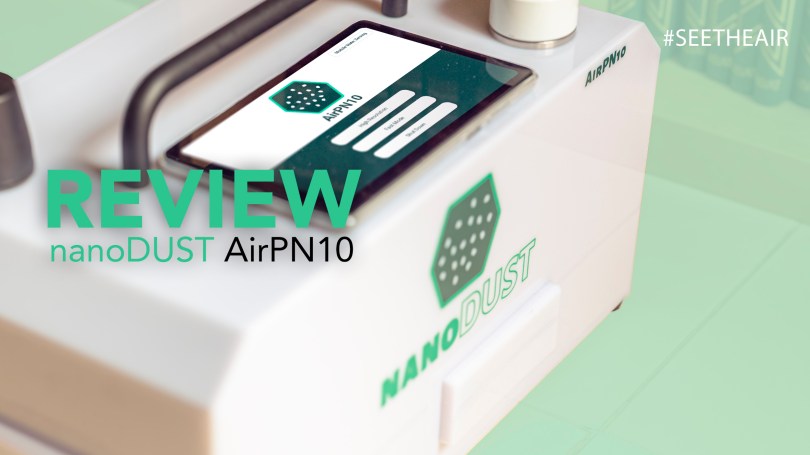
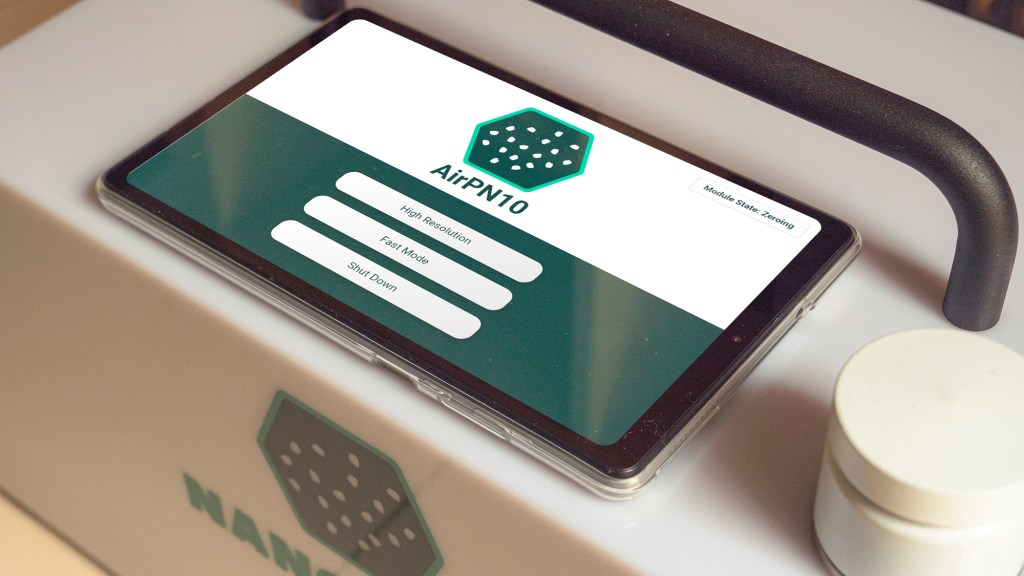
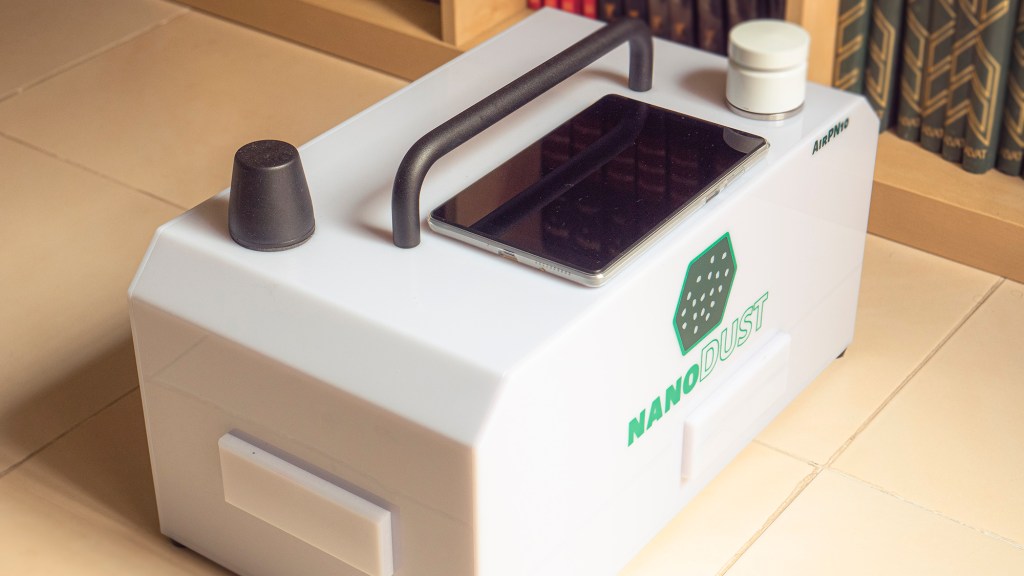
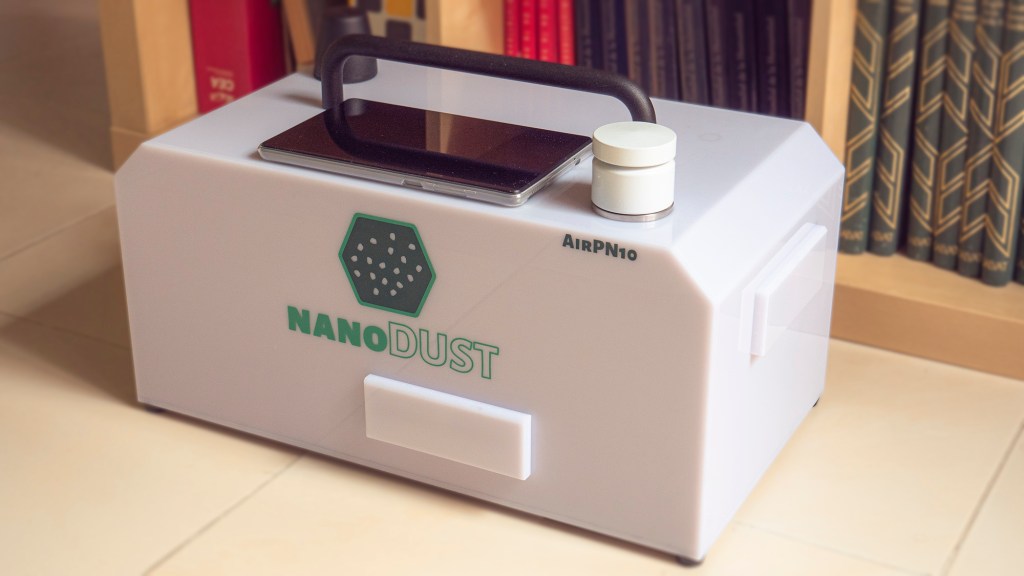
Field Review: nanoDUST AirPN10 — The Next Generation of Nanoparticle Monitoring

The landscape of air quality monitoring is shifting. For years, the focus remained on PM2.5 and PM10 (mass concentration), but we are increasingly realizing that the most dangerous threats are the ones we can’t weigh. Ultrafine particles (UFPs), or nanoparticles, are so small they penetrate deep into the bloodstream, yet they often escape traditional sensors and regulatory implementations.

Enter the nanoDUST AirPN10. Designed as a “Plug & Play” solution for monitoring these invisible threats, it promises to bring lab-grade accuracy to the field without the logistical headaches of traditional counters.

Technical Specifications

The nanoDUST AirPN10 is built for high-precision air monitoring. Its standout feature is its independence from working fluids, unlike Condensation Particle Counters (CPC) that require constant refills of butanol or water.

  • Measurement Range: 1,000 to 500,000 particles/cm³
  • Lower Detection Limit: D50 at 10 nm
  • Technology: Advanced Diffusion Charging (ADC)
  • Aerosol Handling: Integrated Aerosol Switching Technology (AST) for solid vs. volatile separation.
  • Weight: ∼9 kg
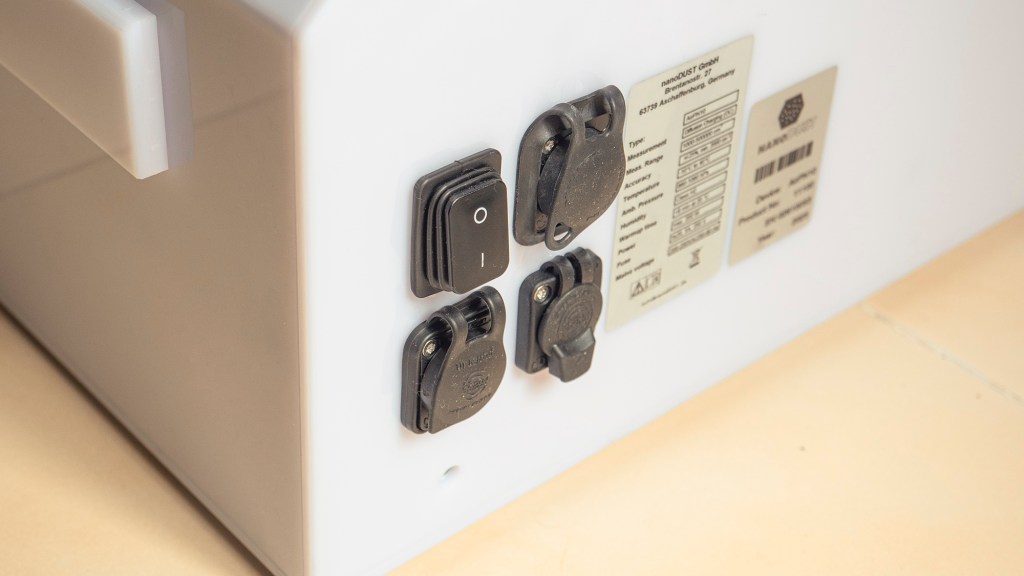
  • Connectivity: LTE (Cloud), LAN (Ethernet), and USB.
  • Durability: Weatherproofed for outdoor use (when not using the rear USB port).
  • Power Consumption: Typically <100 W
  • Ingress Protection: IP55 Weatherproof
  • Sample Inlet: PM10 Sampling Head
  • Calibration Aerosol: Soot
Read More »

Spectroscopy: The Next Step for Low-Cost Particulate Matter Sensors

The landscape of ambient air quality monitoring is evolving, driven by the increasing availability of low-cost sensors. While current low-cost particulate matter (PM) sensors, which rely on light scattering, provide valuable data on particle size and number, they lack the ability to determine a particle’s composition. This limitation is a significant hurdle in understanding the true nature and origin of air pollution. The future of affordable PM sensors lies in spectroscopy, a technique that will allow for a more detailed analysis of airborne particles.

Read More »

Understanding AHAM and CADR: Your Guide to Cleaner Indoor Air


In today’s world, indoor air quality is more important than ever.  Dust, pollen, and even wildfire smoke can significantly impact our health and comfort. Air purifiers offer a solution, but navigating the world of product specifications can be confusing. Is product efficiency a sufficient way to rate them, or should we think about effectiveness? This article explains the role of the Association of Home Appliance Manufacturers (AHAM) and the importance of the Clean Air Delivery Rate (CADR) in choosing the right air purifier for your needs, plus an upcoming standard that wants to deliver even better indoor air solutions.  

Understanding CADR

The Clean Air Delivery Rate (CADR) is a crucial metric that indicates how quickly an air purifier can remove specific types of particles from a room.  It measures the volume of clean air delivered by the unit and is expressed in cubic meters per hour (CMH) or cubic feet per minute (CFM). AHAM tests air purifiers for three common pollutants; smoke, dust, and pollen. Note: CMH can be converted to CFM by dividing by 1.7.

Read More »

Review: InBiot Mica Plus – A Comprehensive IAQ Solution for Green Buildings and Beyond

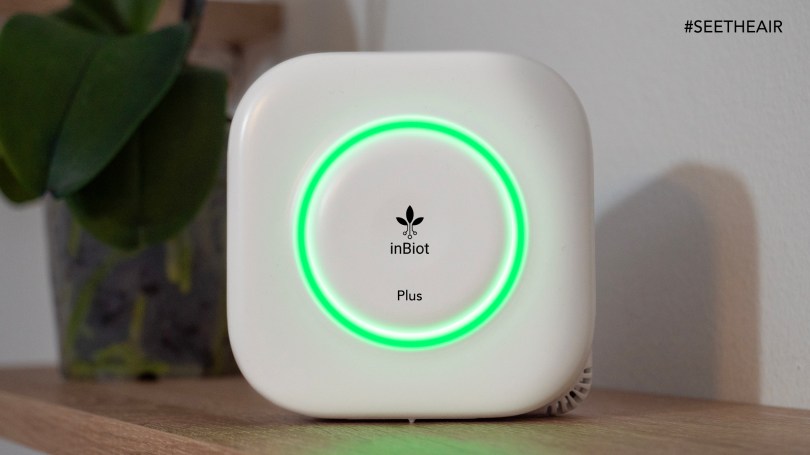
The inBiot Mica Plus is a robust indoor air quality monitor designed squarely for the B2B market, catering specifically to buildings aiming for top-tier Indoor Environmental Quality (IEQ) and compliance with stringent green building certifications like WELL, RESET, and LEED. With a promised 10-year lifespan and minimal maintenance thanks to automatic calibration, the Mica Plus is a compelling long-term investment.

Equipped with a comprehensive sensor suite including Temperature, Relative Humidity, CO₂, TVOC, Particulate Matter, and Formaldehyde, the Mica Plus provides a detailed picture of indoor air conditions. Its connectivity options are equally impressive, spanning basic Wi-Fi to advanced protocols like Power over Ethernet (PoE), LoRaWAN, Sigfox, NB-IoT/LTE-M, and local communication options such as Modbus RTU/TCP/IP, API, BACnet, and MQTT, ensuring seamless integration into existing building management systems.

Read More »