Back in 2019 uRADMonitor and I organized a “Call for Volunteers” where we gave away 10 monitors all around the world.
Once more we are looking for five volunteers who want to receive a Smoggie-PM monitor. The new version comes with new transparent icy look case and visual indication of the pollution concentration thanks to the LED light.
Volunteers all around the world who are willing to install an Air Quality Monitor in their backyard or balcony or window or any other outdoor environment in order to build a better air quality network and to help you raise awareness in your neighborhood/community.
The only requirement from your side is to have a good Wi-Fi internet connection 24/7 and keep the device on constantly in order to broadcast the measurements to an open map. The WiFi signal must reach the monitor outdoors.
Just email or tweet or DM me on any social media platform, tell me where are you planning to install the monitor and why should I choose you.
What is SMOGGIE-PM?
Smoggie-PM is an ultra low-cost high performance Air Quality Monitor, with Wi-Fi connectivity and a laser scattering sensor (Plantower PMS5003) that measures Particulate Matter PM1, PM2.5 and PM10 and makes it available on your phone or laptop in real time. Also, it is equipped with a Temperature/Humidity/Pressure sensor (Bosch BME280).
Smoggie is an automated, fixed, Air Quality monitoring station. It has WiFi connectivity to send the air quality measurements to the uRADMonitor Cloud in real time. It needs 5V to run, powered by a standard micro-USB cable (the same your smartphone uses in order to charge it). The new versions have a color LED light that reflect the pollution levels in real-time.
It is not always an easy task to keep indoor air free from pollutants, especially, when Nitrogen Dioxide (NO2) is present in indoor environments. In most cases, there is little you can do to eliminate NO2 and other gases like Sulphur Dioxide (SO2), Formaldehyde (TVOC), or even pathogens like H1N1 Influenza A virus (pandemic flu), and Staphylococcus aureus (or similar bacteria).
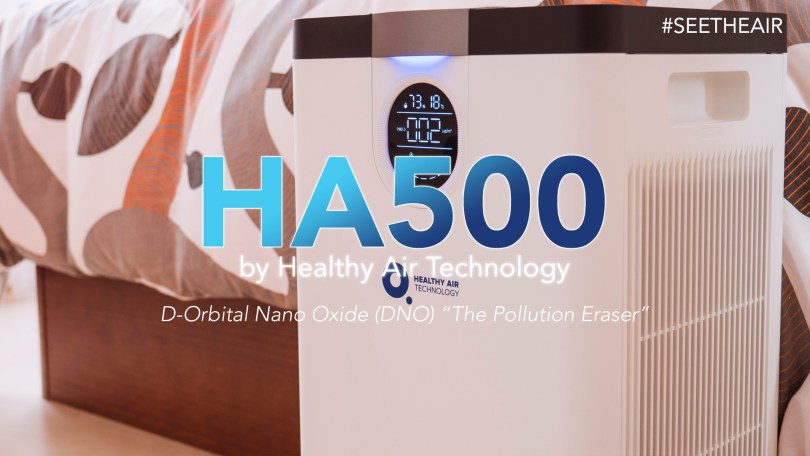
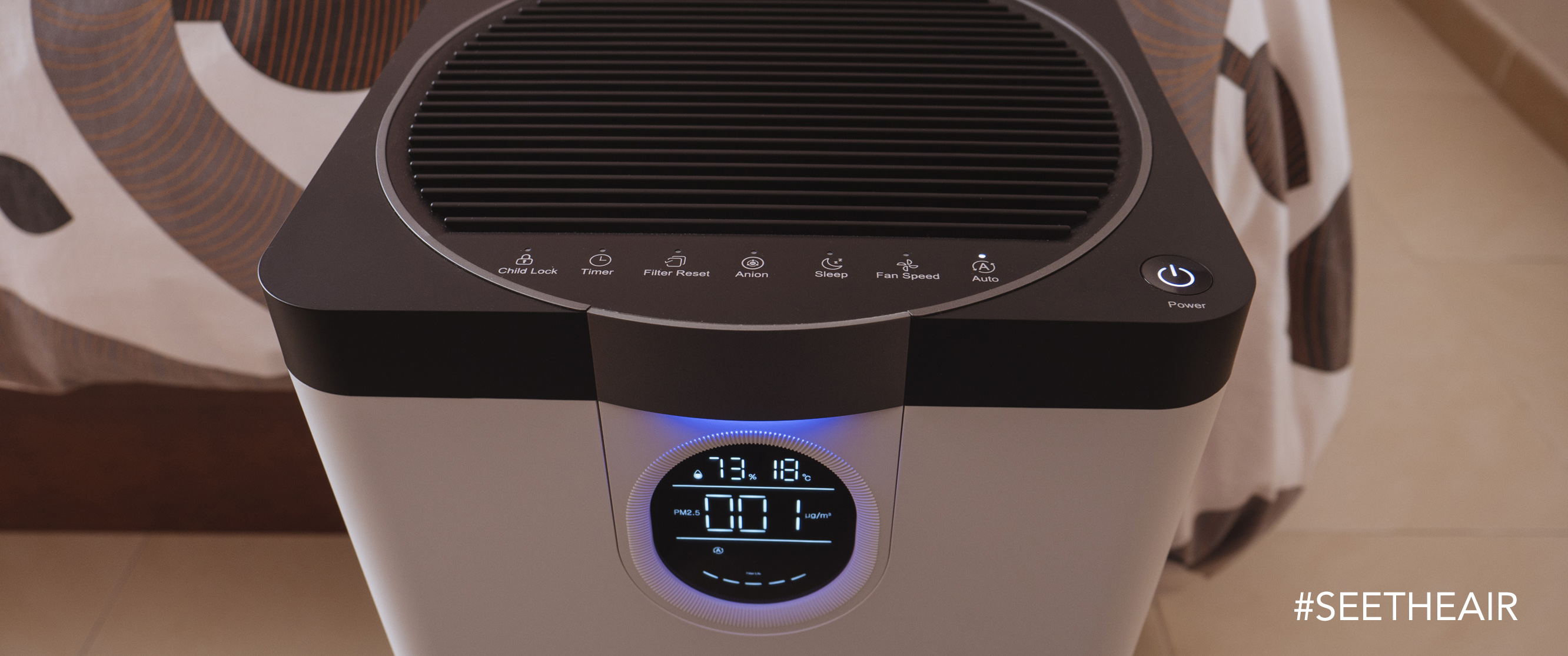
Here comes the HA500 Air Purifier by Healthy Air Technology which is able to eliminate all of these pollutants/pathogens from indoor environments. It does that thanks to the triple-layered system with a primary filter, HEPA 13 filter, and Pollution Eraser DNO filter. DNO means D-Orbital Nano Oxide which is made of two parts.
1st part: The Carrier – Activated charcoal. The material that is used in military gas masks, and captures pollutants within the pores of the charcoal. 2nd part: The Transition metal oxides – Transition metal oxides are coated in the activated charcoal to form catalysts, and these catalysts break down pollutants and toxic gases into harmless chemicals and then release these harmless materials back into the atmosphere like water, oxygen, carbon dioxide, etc. The DNO is invented by the founding CTO of Oxford Catalyst plc (a leader in novel industrial catalysts).
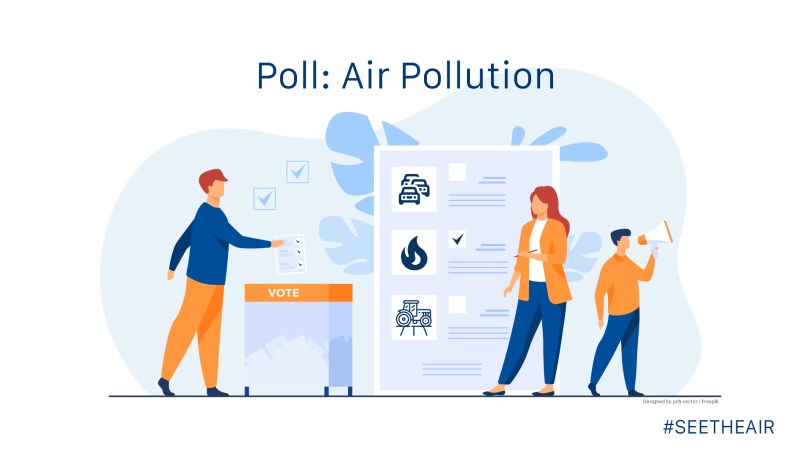
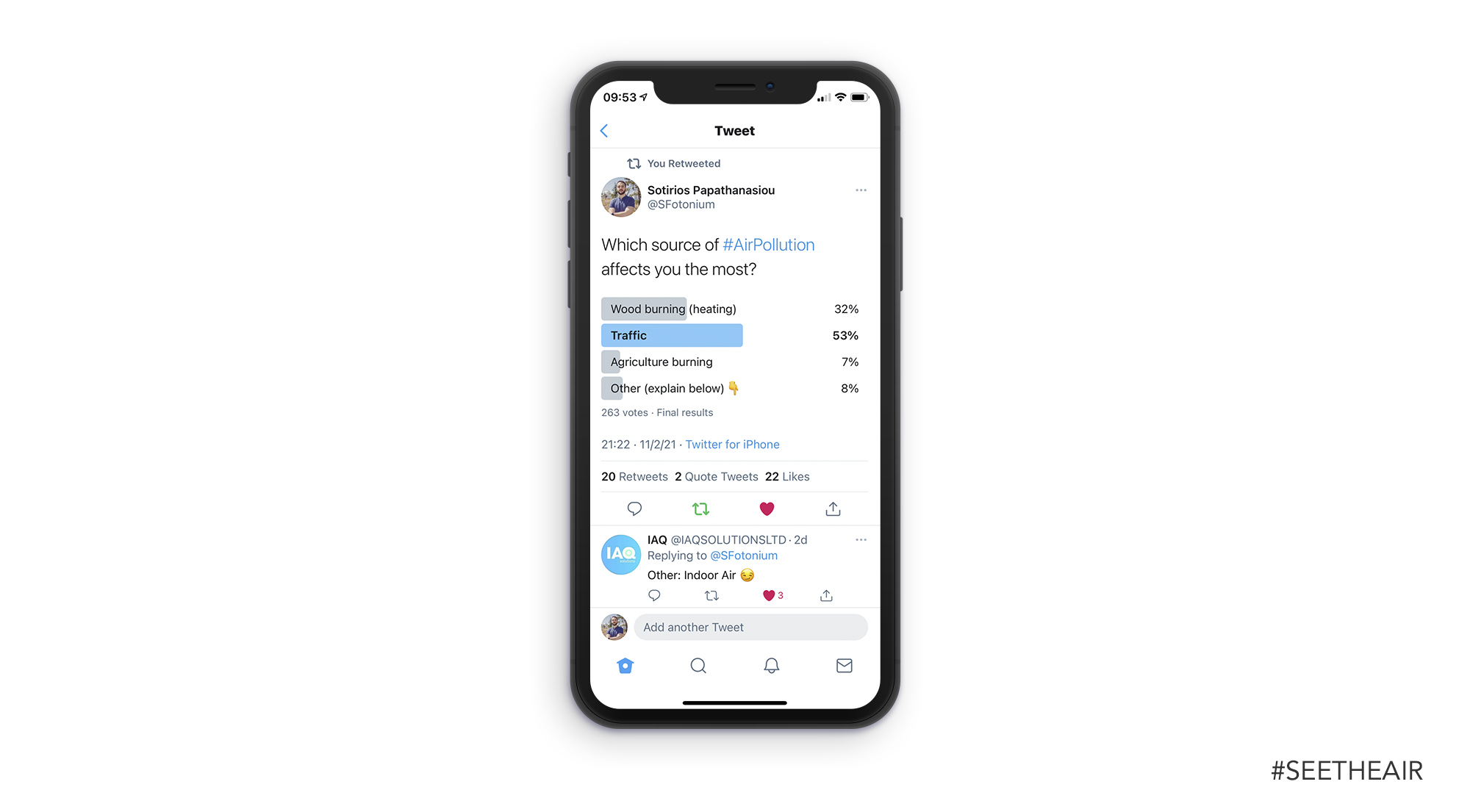
Last week I started a brief poll on Twitter because I wanted to obtain feedback from the community. The subject was simple “Which source of #AirPollution affects you the most?”
263 people responded and unfortunately, I can’t say that the results surprise me. Vehicle traffic was voted as number #1 source of air pollution with a massive 53% and it was followed by 32% wood burning for heating like wood-burning stoves, fireplaces, etc. 7% of the users voted that agriculture is the source of air pollution in their communities and an 8% voted other.
I would like to comment about each category individually, but first of all, I would like to make something clear. All sources are equally important, I don’t rank them from most to least important but I classify them based on what people think is the source in their community, and it varies a lot.
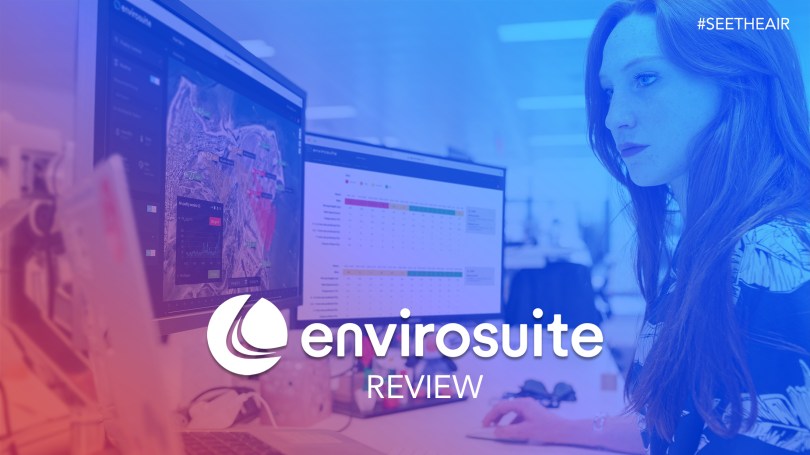
In today’s marketplace, there are many ambient air quality monitors capable of measuring multiple environmental parameters and pollutants in real-time. However, air quality monitors aren’t useful unless they are paired with an intelligent software platform in order to extrapolate the information and make it serviceable to operators and communities.
Envirosuite has succeeded in embedded 30+ years or experience working with complex air quality and meteorology challenges directly into an advanced software platform. Users can make operational decisions based on insights from real-time air quality data and emissions modeling. Furthermore, they can identify the likely sources of air quality pollution from past incidents.
The platform is currently used by over 500 industrial operations such as mines, oil refineries, maritime ports, construction sites but also for municipal authorities in cities. Noise management capabilities are also used at 200 of the world’s major airports.
Key modules and their functionalities
Envirosuite does just that and it is a global leader in Environmental Intelligence, using proprietary technology and real-time localized data to help industries grow sustainably and communities to thrive. The platform integrates with pre-existing monitoring devices that are capturing data on multiple air quality parameters. It is offered as SaaS (software-as-a-service) subscription supported by AWS cloud technology and is segmented into modular solutions for to assist with specific air quality challenges.
I really like to have all AQ Monitors and other devices connected to one place in order to make my life easier when I try to figure out what is going on in my house. I am an iOS user which means this post doesn’t concern Android users, however, I will advise you to stick around and read the benefits of having Apple HomeKit.
Not all AQ Monitor manufacturers support HomeKit and here comes HomeBridge which is a platform to bring non-supported devices to Apple’s ecosystem. There are only a few AQM manufacturers that officially support HomeKit, like Kaiterra, Eve and QingPing.
The community of the HomeBridge has allowed others to take advantage of the platform and make the user experience even better by porting many more AQMs into HomeKit.
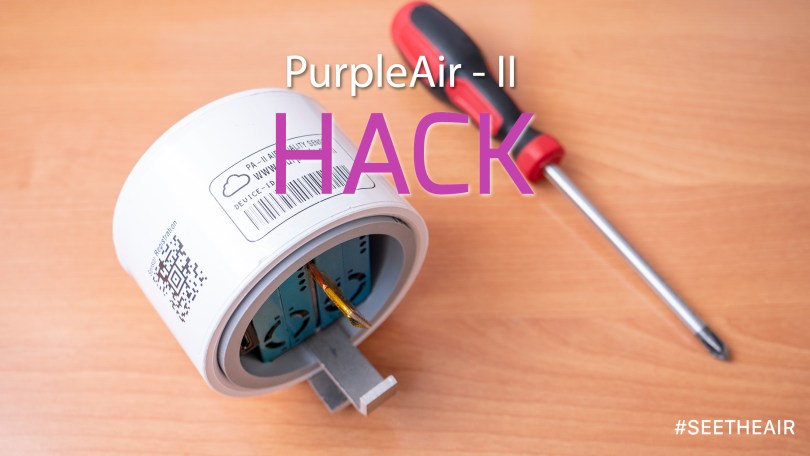
During and after the wildfires on the west coast of the United States the PurpleAir II (PA-II) network of low-cost monitors grew exponentially and has reached a number of about 11000 units. The reason was simple, people wanted to see when it was safe to go outside and/or open the windows.
Although the PA-II is a small cute particulate matter monitor, it has a flaw. The temperature and humidity sensor (Bosch BME280) is placed too close to the rest of the electronic components. As a result, neither the temperature nor the humidity reflects the real values of these environmental parameters. All electronics produce heat, and they may interfere with other sensors, and this is the case with the PA-II.
By the time someone invests money on a device with an array of sensors they want to be able to take valuable measurements for all the parameters. For this reason, I figured out how to improve the temperature and humidity measurements in order to reflect the real conditions outdoors or indoors as some people place the monitors indoors too.
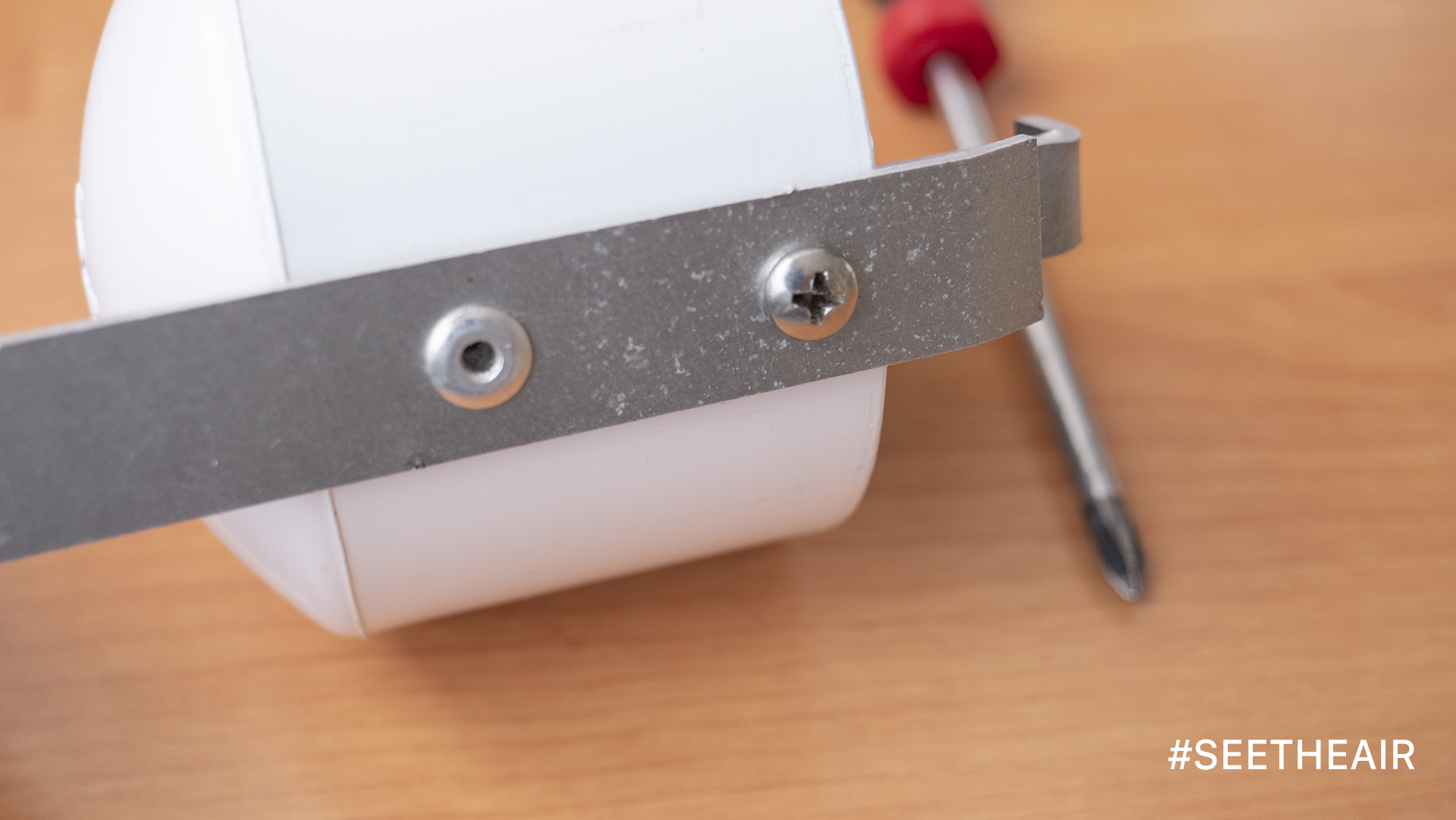
It is easy to take apart the device, as there is only one screw. Once it is unscrewed, you need to pull the sensors out of the white case. Don’t worry because they are holding each other with some stickers.
There is a demand for Green Buildings lately, which focus on the comfort and health of the building’s occupants. Energy efficiency was the original target for most of the green buildings certifications programs, but they have evolved, and they now focus on many more aspects of the indoor environments. Indoor Air Quality has become the number one priority for many green building certifications, and in order to be certified, there are strict rules for ventilation and AQ monitoring.
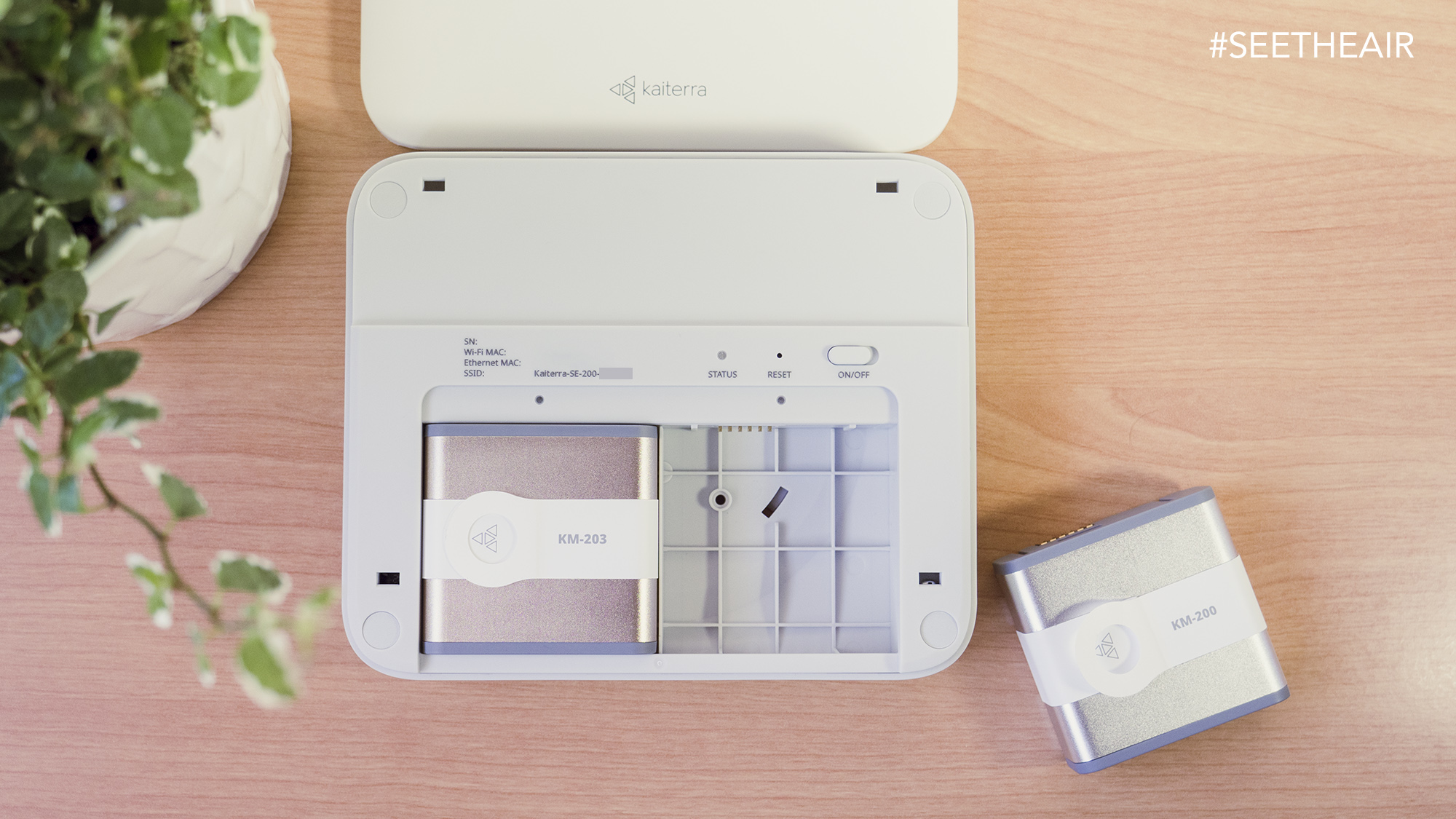
Here comes Kaiterra Sensedge Mini, which is a RESET certified indoor air quality monitor. The Sensedge Mini is a calibrated real-time monitor that has to be placed in buildings that wish to obtain a Green Buildings certification.
The Sensedge Mini uses two removable sensor modules to replace the traditional, costly calibration processes for long-term accuracy with minimal maintenance.
Like every year, at the end of December, I write an article about my blog statistics and environmental news related to air quality and air pollution that shaped the planet during the year.
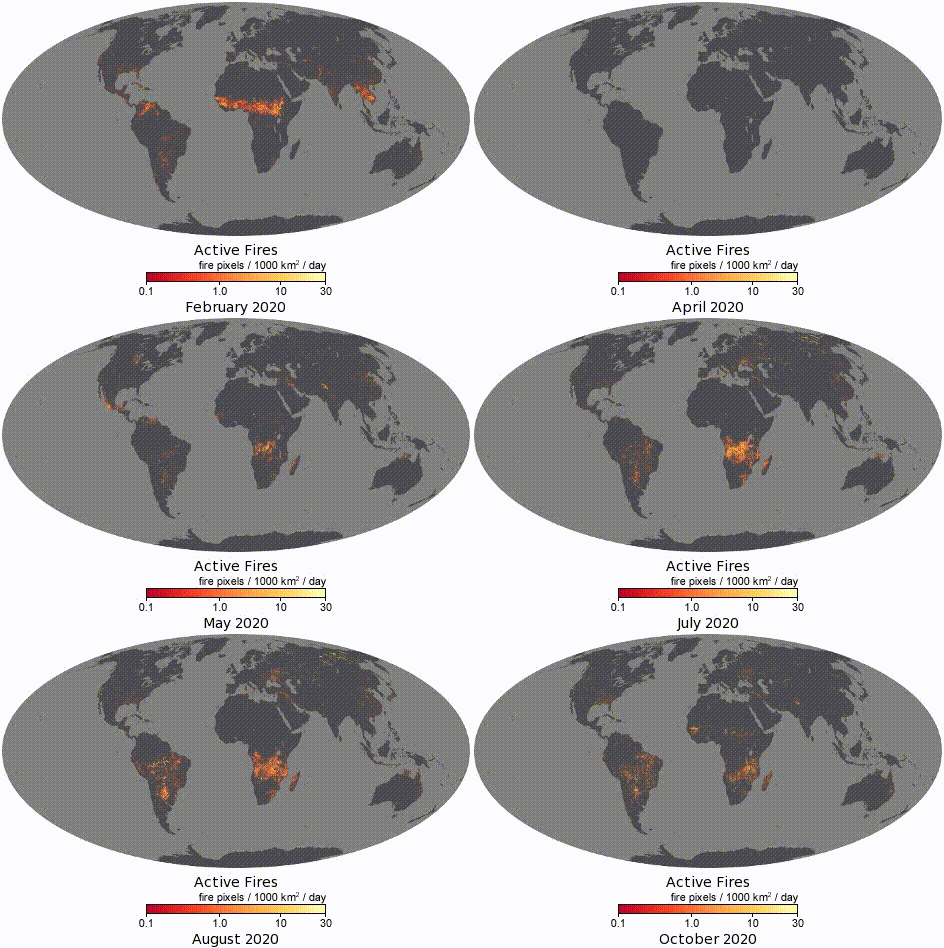
2020 was one of the worst years in history due to the COVID-19 pandemic, but also because of the massive wildfires that have burnt vital forests and they have destroyed ecosystems.
Wildfires are by-products of climate change, and they will get worse. Also, get ready for floods.
In 2020, over 9,279 fires have burned more than 4,359,517 acres, which equals to 4% of the roughly 100 million acres of land in the US. The effects of smoke could be long-lasting. Kids and asthmatic are especially at risk. Personally, I believe that air pollution affects everybody, the difference is that kids and elders are more likely to experience the consequences in the short-term.
Unfortunately, fires are not only a naturally occurring event. Each year we burn a lot of things. From stubble burning to wood burning for heating and from stupid and archaic bonfires to BBQs. I receive emails and tweets from people all over the world where people share with me their experience with air pollution.
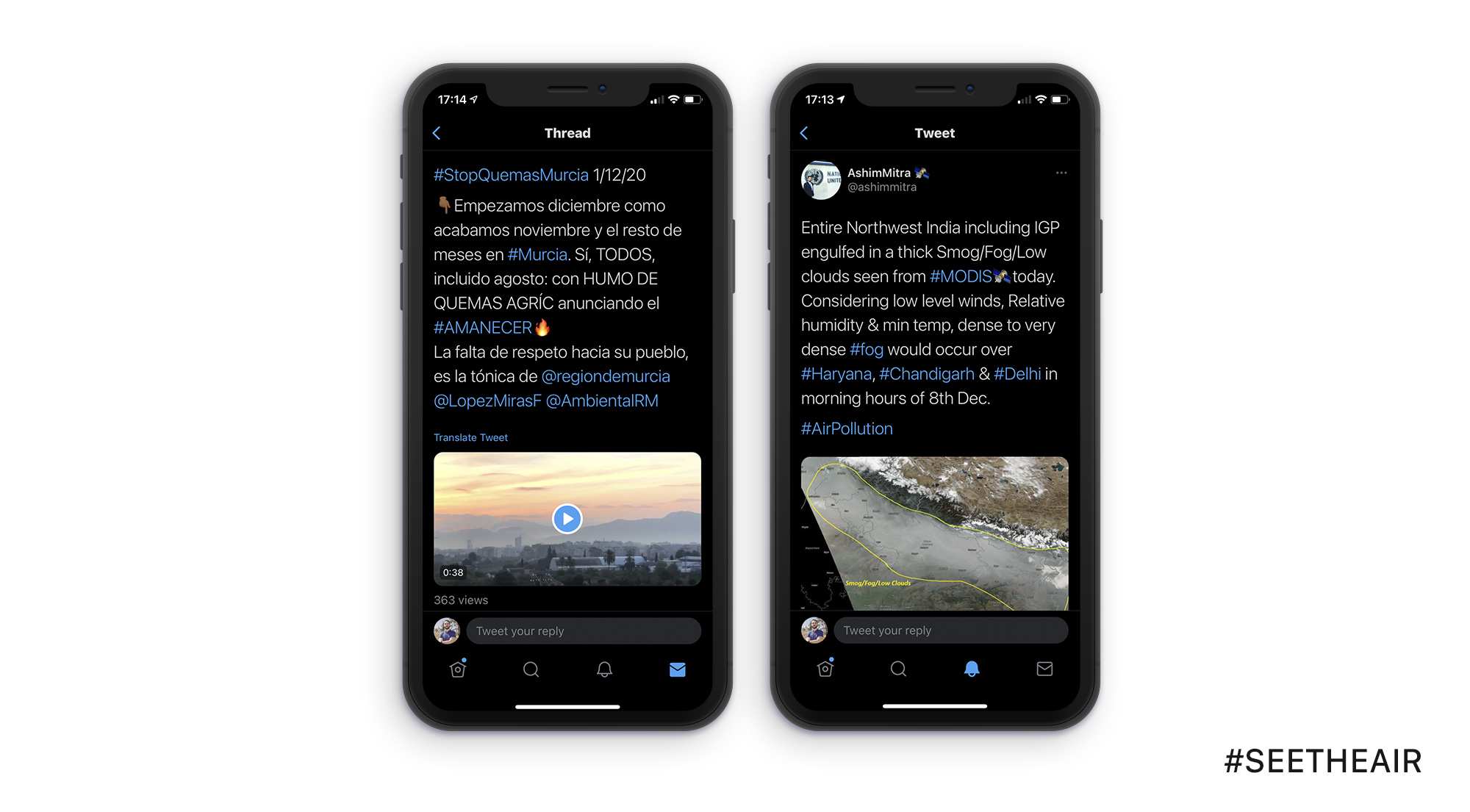
Each year in late-October, farmers in northern India burn off crop debris, a practice known as stubbleburning. They don’t take into consideration their health and the health of the people that live miles away from them, and they will have to breathe this toxic mixture of gases and particles. In Murcia, a southern city in Spain, people suffer every single day from fires and smoke because of the practice of agricultural burning, which is prohibited by the Spanish Law 22/2011. The examples are endless, believe me, and they are present all over the world. It doesn’t matter if you live in a developed or developing country.
#StopQuemasMurcia #India #AirPollution
Another important piece of news in 2020 was the ruling that made 9-year-old Ella Kissi-Debrah the first person in the world for whom air pollution is listed as a cause of death. This is a legal history in the UK, and I hope people won’t forget it. My sincere respect to the family for their hard work to raise awareness about air pollution.
In most cases, political unwillingness to address the issue or apply the already established laws are the reasons each year the same events happen. Lowering the life expectancy and creating numerous health issues to the citizens from Alzheimer’s disease to diabetes and heart failure to pregnancy loss to name a few.
Statistics
Each year, my blog receives almost double the amount of traffic as the year before. However, due to the COVID-19 and the wildfires in 2020, the blog was reached by 193K visitors in 2020, which is three times more than last year. Keep in mind, my blog is all about air pollution/quality, a very narrow subject but at the same time very important for all of us. Google, Twitter, and Facebook are the top three referrers to my blog.
In 2020 scientists published a lot of papers about air pollution, associating it with subjective health, morbidity, and mortality. They even found a correlation between air pollution and COVID-19 in big cities. In another study, scientists estimate that exposure to air pollution increases COVID-19 deaths by 15% worldwide.
It is our responsibility not to close our eyes and see the air we breathe.