Review: HA500 Air Purifier by Healthy Air Technology

It is not always an easy task to keep indoor air free from pollutants, especially, when Nitrogen Dioxide (NO2) is present in indoor environments. In most cases, there is little you can do to eliminate NO2 and other gases like Sulphur Dioxide (SO2), Formaldehyde (TVOC), or even pathogens like H1N1 Influenza A virus (pandemic flu), and Staphylococcus aureus (or similar bacteria).

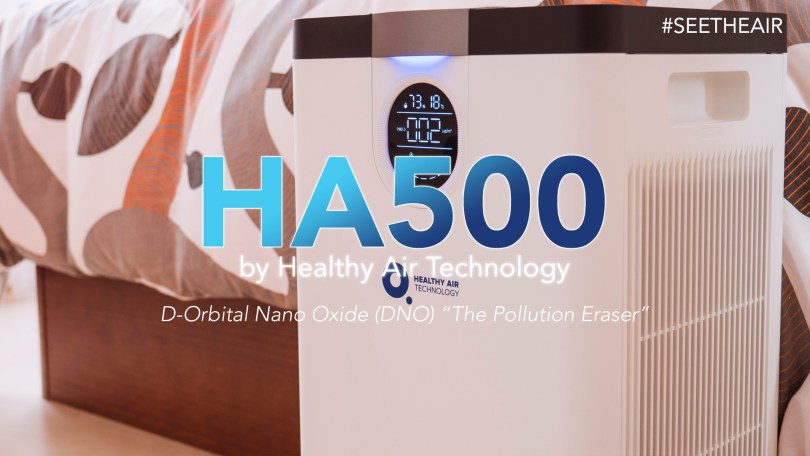
Here comes the HA500 Air Purifier by Healthy Air Technology which is able to eliminate all of these pollutants/pathogens from indoor environments. It does that thanks to the triple-layered system with a primary filter, HEPA 13 filter, and Pollution Eraser DNO filter. DNO means D-Orbital Nano Oxide which is made of two parts. 

1st part: The Carrier – Activated charcoal. The material that is used in military gas masks, and captures pollutants within the pores of the charcoal.
2nd part: The Transition metal oxides – Transition metal oxides are coated in the activated charcoal to form catalysts, and these catalysts break down pollutants and toxic gases into harmless chemicals and then release these harmless materials back into the atmosphere like water, oxygen, carbon dioxide, etc. The DNO is invented by the founding CTO of Oxford Catalyst plc (a leader in novel industrial catalysts).

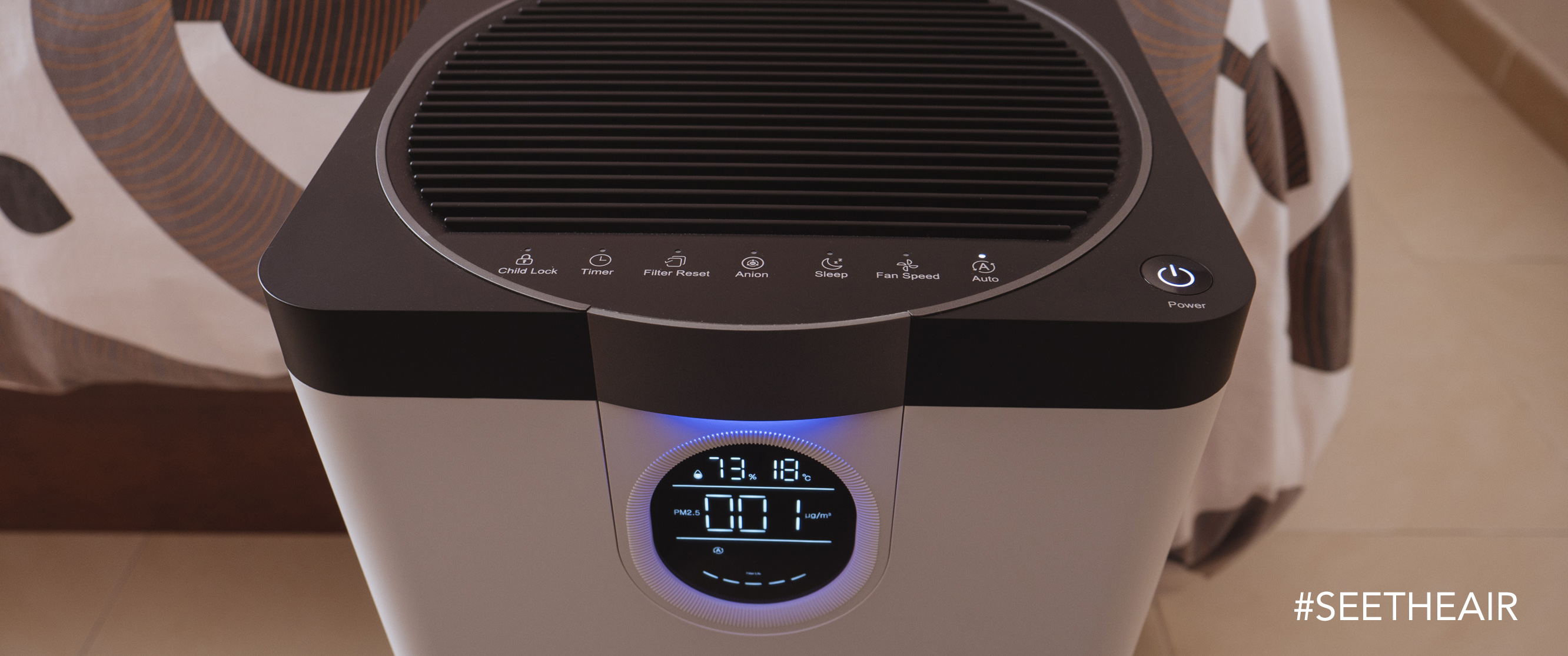
HA500 Control Panel and Display
Read More »

Clarity Node-S Remote Calibration Process

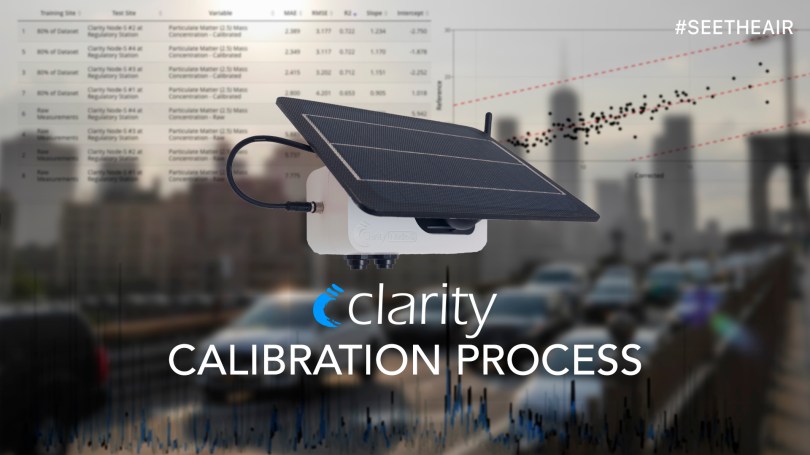
When you use low-cost monitors for professional reasons, you need to calibrate them in order to obtain the best possible measurements. This process makes data less vulnerable to environmental conditions and more valuable to scientists and policymakers.

Clarity takes this process really seriously, and they dedicate a lot of resources to making sure their devices will measure accurate data (for more on how to assess air quality sensor accuracy, see this blog). I ask Clarity to perform a remote calibration on my Node-S and guide me through the entire the process.

I have discovered something interesting during that process about the local air quality station.

As you may already know from my previous articles, my local air quality station ES1393A is placed inside a park and it is almost surrounded by trees. Trees act as a barrier, and they block pollutants from reaching the monitors. The Clarity team told me that this was an especially complicated calibration. I suspect it has to do with the location of the station and how trees may interact with low-cost sensors.

The type of trees in my city is a variation of a ficus called ficus retusa l. var nitida. These trees release a resin from their leaves which can create interference to the low-cost sensors that do not have a filter to keep them out as the scientific-grade monitors do. Most outdoor scientific-grade monitors come with a debris screen inlet or an Inlet Heater which may capture the resin from the trees.

The problem is not the trees but the location of the air quality station that shouldn’t have been there.

Read More »

Review: Kaiterra Sensedge Mini for Business and Green Buildings

There is a demand for Green Buildings lately, which focus on the comfort and health of the building’s occupants. Energy efficiency was the original target for most of the green buildings certifications programs, but they have evolved, and they now focus on many more aspects of the indoor environments. Indoor Air Quality has become the number one priority for many green building certifications, and in order to be certified, there are strict rules for ventilation and AQ monitoring.

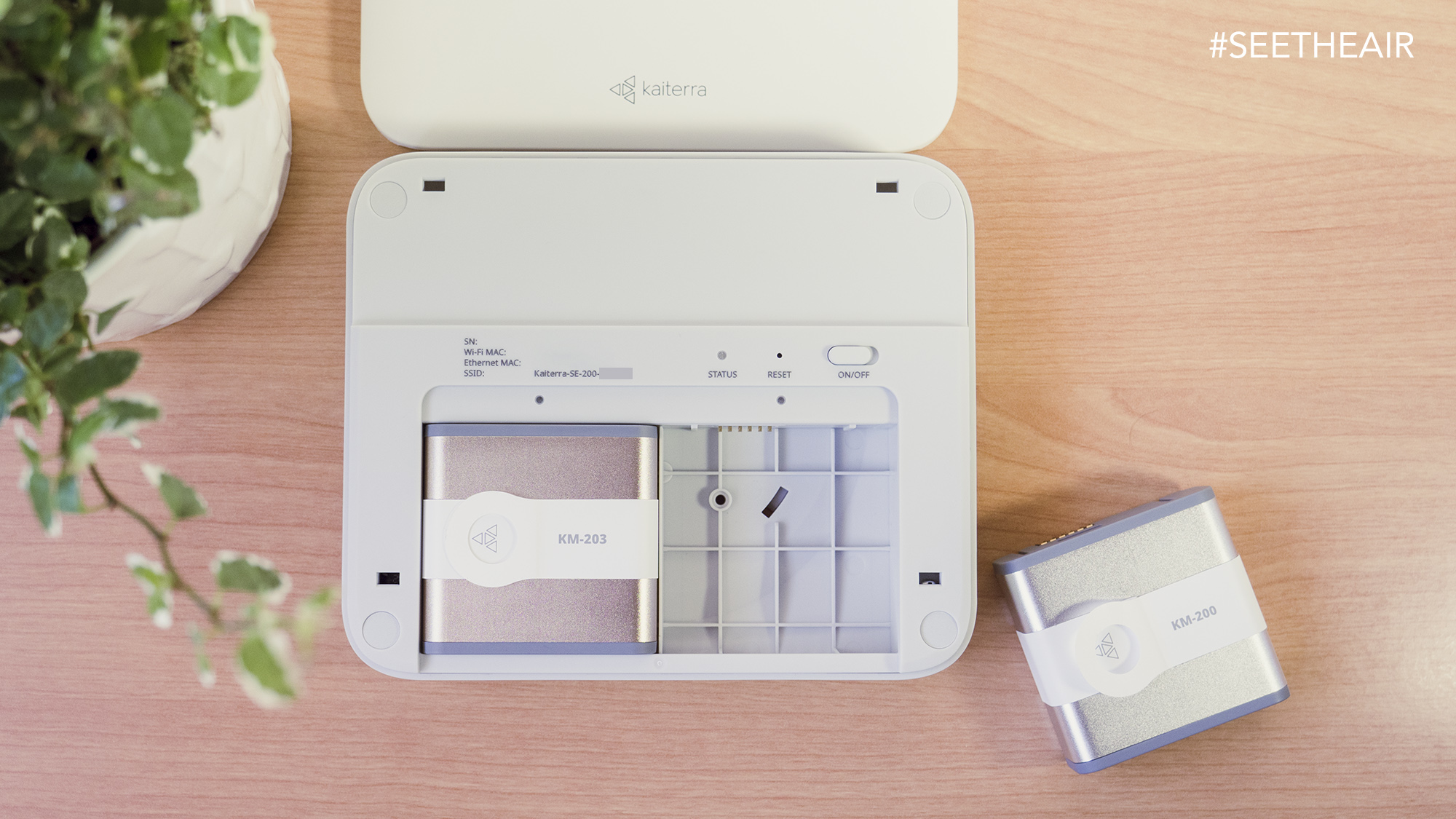
Here comes Kaiterra Sensedge Mini, which is a RESET certified indoor air quality monitor. The Sensedge Mini is a calibrated real-time monitor that has to be placed in buildings that wish to obtain a Green Buildings certification.

The Sensedge Mini uses two removable sensor modules to replace the traditional, costly calibration processes for long-term accuracy with minimal maintenance.

Read More »

In-Depth Review: Wynd Halo 1st Edition Sensors

The Wynd Halo 1st Edition uses a proprietary PM sensor with a blue-light laser instead of a red-light laser, which presumably makes it more accurate and precise. Interestingly, I remember during the Kickstarter campaign of the monitor, backers were asking the company if they will sell the sensor as a component part to third parties, and they said yes because it was about to revolutionize the industry.

Although I don’t have a reference monitor, the comparison I conducted is considered a field evaluation in a real-life situation. AQ Monitors are designed to operate inside apartments and buildings for this reason I personally value more a field evaluation in situ than a lab evaluation where every parameter is controlled.

This kind of evaluation won’t tell us how accurate is the sensor, but it will reveal the correlation against other monitors in order to determine if measure something respectable. For example, there are many field and lab evaluations for the commonly found Plantower PMS5003 sensor that demonstrate a correlation of 0.78 – 0.93 against various reference monitors.

Read More »

Study: Taking a closer look at the air quality in classrooms

After almost two months of asking local schools for permission to install air quality monitors in their classrooms, on the 4th of December, a local school decided to grant me access.

In my city, Almeria, Spain, there are about 110 schools. I didn’t apply to all of them because each time I managed to find a way to contact them, I had to arrange a meeting in order to explain to them what I wanted to do, and all this process takes time. I managed to contact nine schools.

For this study, schools didn’t have to pay anything, so money wasn’t the issue for their refusal. They were worried about what will happen if the results were disappointing and negative. I tried to explain to them that the aim of the study is to understand what is going on in the classroom, in real conditions, with real students. I don’t want to discredit the school either the local authorities that manage the budget for the school. For this reason, I will keep the name of the school private.

Monitors

The monitors that I have installed for the study are made by Airthings. There are two Wave Plus, which include a CO2 sensor by Senseair. The sensor is called Sunrise, and it is an ultra-low-power, high precision NDIR sensor. Accuracy (CO2) ±30 ppm ±3% of reading. Finally, it features a self-correction system that allows them to auto-calibrate every 180 hours. I also have included a Wave mini monitor in the teacher’s office room. 

Read More »

Air Quality Adaptive Information (AQAI)

Apple iOS 14 has brought many new features to phones and tablets. For the first time, I enrolled in the beta versions of the operating system for the iPhone just because I wanted to explore the user experience (UX) of the widgets.

Long story short, I really loved them, especially the weather widget because of how intuitive it is about the information that it displays. Generally, we are accustomed to the static widgets that they only update the information every 10 minutes and that’s all, but what Apple did with the weather widget was phenomenal. Depending on the time of the day it is able to display the most important information for users to read and make appropriate decisions.

During the day, you can see the current temperature and weather forecast for the following 6 hours, plus the highest and lowest temperature of the day. However, during the night, it makes a short suggestion about the following day, for example, Warmer tomorrow with a high of 29ºC. It is fantastic because you can plan the day ahead. I call this feature Adaptive Information, and this is what I will value as a user from an air quality monitor or and AQ app.

iOS 14: Left Day | Right Night
Read More »

Review: BRISE C360 Air Purifier

There are a few things you can do to reduce air pollution indoors like keeping things tight and clean, not smoking, using exhaust fans when you cook, and ventilating the rooms, but at the end of the day if the air pollution comes from outside sources then you need to take drastic measures and there is only one solution, investing in an air purifier.

There are many air purifiers on the market for all types of budgets but you shouldn’t expect a cheap air purifier to offer the same features and purification results as a high-end purifier. By the way, air cleaners and air purifiers are the same things.

BRISE C360 is a high-end purifier capable of purifying up to 95 m2 or 1022 ft2 room and rated CADR at 390 m3/hr or 230CFM. It is recommended for medium size rooms and it packs a ton of features.

Read More »

Review: Airthinx IAQ for Businesses

In a previous post, I presented Airthinx IAQ for Homeowners and how an advanced AQ monitor can be used for indoor environmental monitoring. In this post, we will explore how we can use the same monitor but in business environments (offices, industrial buildings, food supply chains, etc).

We will focus on the tools present in the dashboard as it is one of the best dashboards you will find in the market, and we will learn how to get the most out of it.

Let’s begin with the Dashboard – Home. Here we can create various types of widgets and arrange them according to our preference. First, you can see that I have created a column with all the current measurements with small graphs of the environmental parameters. Right next to it, I always watch for the general AQ, PM2.5, and Humidity. Below I have more widgets with other graphs and values that I want to have a glance.

Dashboard – Home

Next, we can see the Map tab. Here we can locate all the available monitors in a high precision as the monitors come with a GPS module, however, we will see later that we can manually set the location of the device.

Read More »

Outdoor Air Quality Monitors 2020Q4

Since my last update of the outdoor (ambient) air quality monitors list back in 2018, new products have been released into the market for various purposes and different budgets. Air quality monitors for professional use in cities and industrial sites and homeowners who want to supervise the ambient air quality outside their houses/apartments.

Read More »

Air Quality Monitors – Comparison List 2020 Q4

It has been a while since the last time I updated the list with all the air quality monitors in the market. Just to be clear, there are a lot more Chinese knockouts that I haven’t included because they don’t have any support from the companies either they offer something unique.

This time the list includes some Pro-level indoor AQMs like the elichens
Indoor Air Quality PRO Station
and the NEMo XT – Indoor.

  • Prices may vary during time.
  • Some Companies don’t specify on their data sheet if their devices are capable to measure PM2.5 or PM10 and they just mention the word dust.
  • Some other companies say: Our product goes beyond CO₂ by analyzing substances that directly affect your well-being by measuring VOCs. They aren’t clear if their devices have CO₂ sensor.
  • Some of the devices are AQI Monitors and Air Purifiers Combo. On this list you can only read the features as an AQI monitor.