The Hidden Threat in Our Air: Why Measuring Indoor Ultrafine Particles (UFPs) Is a Modern Regulatory Maze

We have spent decades obsessing over PM2.5 —the fine particulate matter small enough to lodge itself in our lungs. We draft laws around it, track it on our phones, and buy home monitors to avoid it. But while our regulatory gaze has been fixed on particle mass, an invisible, almost weightless army of much smaller particles has been slipping through the cracks: Ultrafine Particles (UFPs).

Known technically as PNC0.1, these aerosols have an aerodynamic diameter of 100 nanometers or less. To put that in perspective, they represent a negligible fraction of total ambient mass, yet they often make up over 90% of the total particle number concentration (PNC) in our atmosphere. Because they are so unbelievably small, they don’t just settle in the lungs—they have the unique physical ability to cross into the bloodstream, posing distinct and severe health risks.

Yet, when we step inside our homes, we enter a measurement blind spot. In our current study across two Spanish cities—Granada and Almeria—we exposed a frustrating reality: meeting current PM2.5 standards provides a completely false sense of security when it comes to UFP exposure, and our current measurement tools and guidelines make it nearly impossible to tell if the air we breathe inside is actually safe.

Read More »
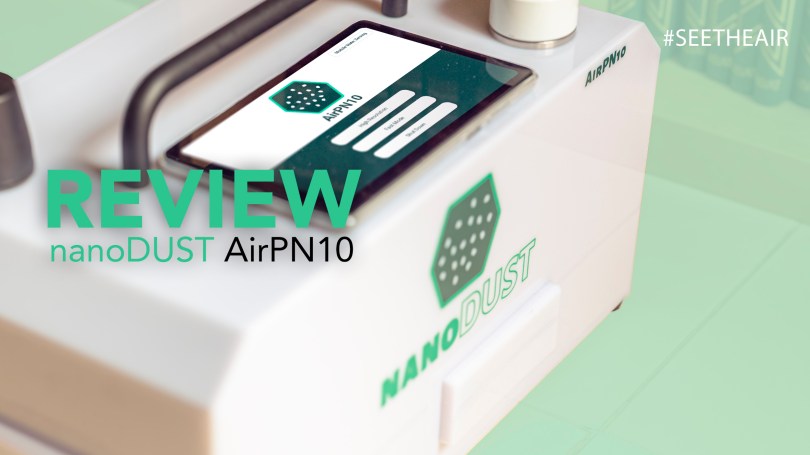

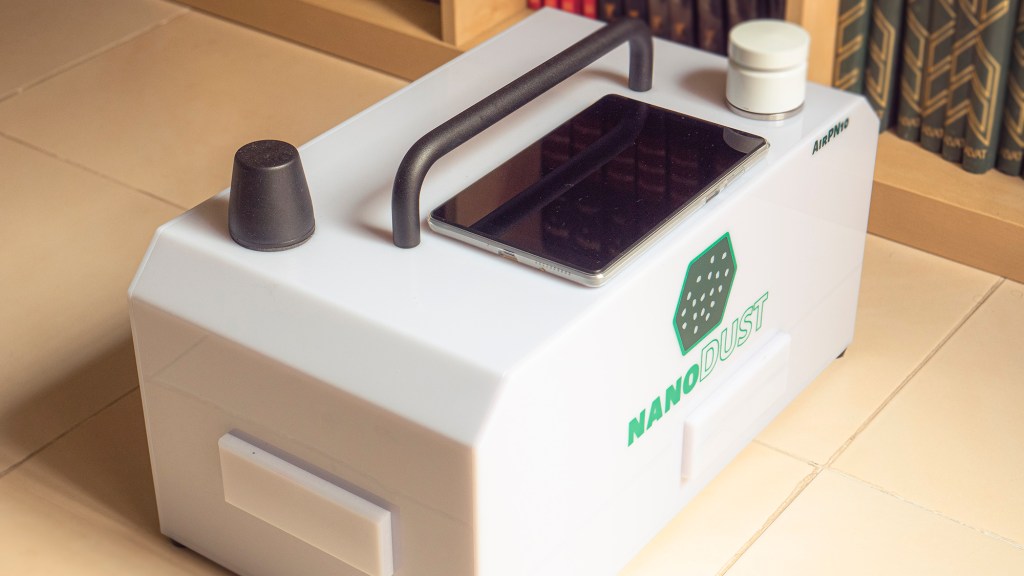
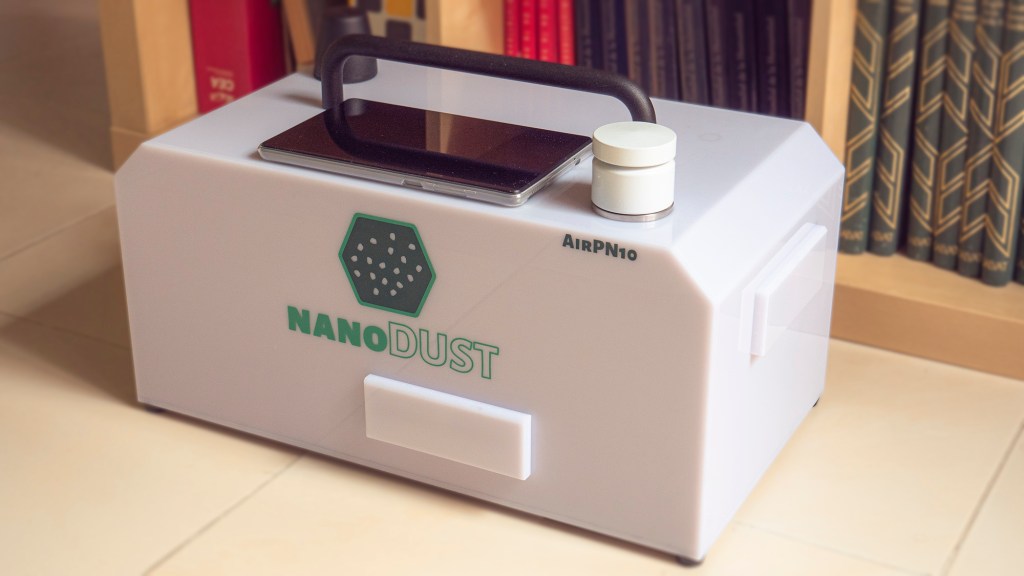
Field Review: nanoDUST AirPN10 — The Next Generation of Nanoparticle Monitoring

The landscape of air quality monitoring is shifting. For years, the focus remained on PM2.5 and PM10 (mass concentration), but we are increasingly realizing that the most dangerous threats are the ones we can’t weigh. Ultrafine particles (UFPs), or nanoparticles, are so small they penetrate deep into the bloodstream, yet they often escape traditional sensors and regulatory implementations.

Enter the nanoDUST AirPN10. Designed as a “Plug & Play” solution for monitoring these invisible threats, it promises to bring lab-grade accuracy to the field without the logistical headaches of traditional counters.

Technical Specifications

The nanoDUST AirPN10 is built for high-precision air monitoring. Its standout feature is its independence from working fluids, unlike Condensation Particle Counters (CPC) that require constant refills of butanol or water.

  • Measurement Range: 1,000 to 500,000 particles/cm³
  • Lower Detection Limit: D50 at 10 nm
  • Technology: Advanced Diffusion Charging (ADC)
  • Aerosol Handling: Integrated Aerosol Switching Technology (AST) for solid vs. volatile separation.
  • Weight: ∼9 kg
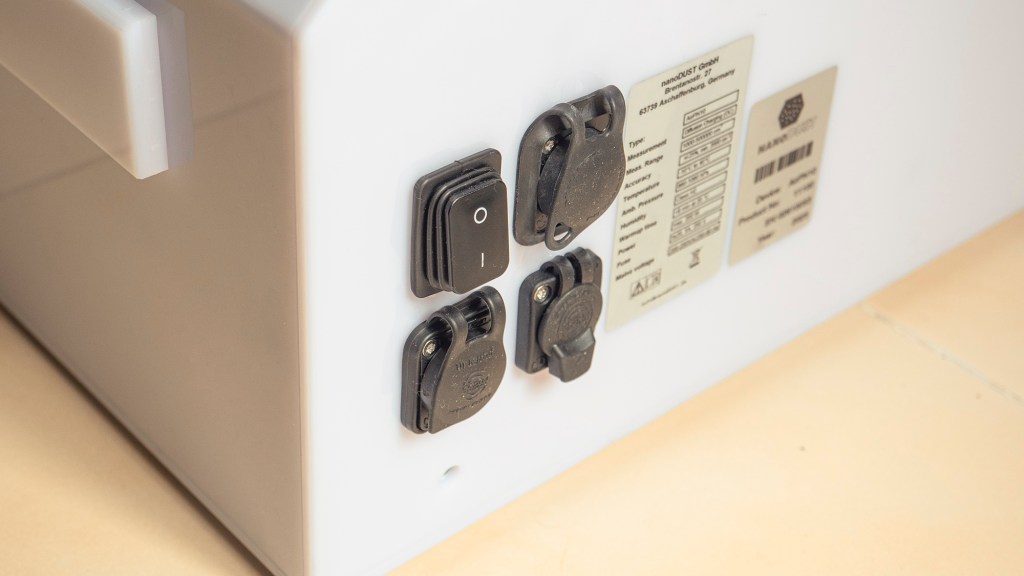
  • Connectivity: LTE (Cloud), LAN (Ethernet), and USB.
  • Durability: Weatherproofed for outdoor use (when not using the rear USB port).
  • Power Consumption: Typically <100 W
  • Ingress Protection: IP55 Weatherproof
  • Sample Inlet: PM10 Sampling Head
  • Calibration Aerosol: Soot
Read More »

Interview – Airport Series: #1 The Growing Concerns of Van Nuys Airport and Its Impact on Local Community

I recently learn from Sue, a resident of Los Angeles, who is living in the shadow of the Van Nuys Airport (VNY) that the air quality of the area and mental health of the residents have been affected dramatically. She shared with me the growing concerns regarding the environmental and health impacts of the airport’s operations, particularly due to the increasing number of private and charter jets.

According to Sue over the past few years, the VNY has essentially transformed into a commercial airport due to the influx of private and charter jets. This brings with it an incessant noise pollution problem, as there’s no curfew and flights come in all day and night. And, they are under the most congested airspace in the world, with five airports in the LA area, all converging over them.

Although the airport has been around since the 1920s the changes, in recent years are drastic. Sue lives in that area since mid 80’s. They are now literally feet away from dozens of jets that emit toxic fumes into their homes, schools, and lungs. It was not like this up until a few years ago.

Read More »