CO2 Candles Experiment

CO2 Candles Experiment

In this experiment I will demonstrate how fast Carbon Dioxide CO2 rises inside a room by lighting two small candles.
bedroomday1_0000 copy

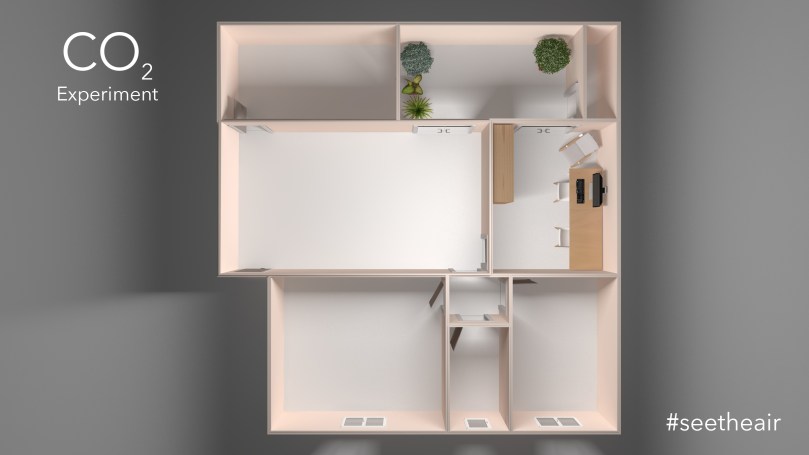
I chose my study room as it can be easily isolated, plus I have got all the AQI monitors inside this room for the purpose of the experiment. The room is 7.3m². The experiment is easy, I lit 2 candles and closed the door and window of the room. Then I waiting with myself inside the room till the CO2 reached 1200ppm. Basically I logged the time when the CO2 was 430ppm and when it reached the 1200ppm with and without the candles.

With the candles the CO2 needed 35 minutes to reach the 1200ppm limit as you can see on the graph below and without any candle and with exactly the same conditions as before the CO2 needed 59 minutes to reach the upper limit.

Conclusion

You gain 25 minutes of more oxygen and less CO2 until the room reaches the 1200ppm limit which means more productive time and fewer headaches.

Gray Slate

Candles and Incense sources of Indoor Air Pollution

Candles and Incense sources of Indoor Air Pollution

They look nice and they smell even better, but unfortunately most of them are made of toxic ingredients and when you light them, they diffuse all these toxic ingredients inside your house.

Harmful VOCs

Most commercial candles are full of toxic ingredients that many times they don’t even write on the package like Paraffin, Acetone, Trichlorofluoromethane, Carbon Disulfide, 2-Butanone, Trichloroethane, Trichloroethene, Carbon Tetrachloride, Tetrachloroethene, Chlorobenzene, Ethylbenzene, Styrene, Xylene, Phenol, Cresol and Cyclopentene. Most of them are VOCs and the majority of the AQI monitors with VOC sensor will recognize the toxins in the air. Now, when paraffin burned releases toluene and benzene which are highly toxic and carcinogens (these fumes are the same as when diesel is burnt).Read More »

Vitamin B and Air Pollution

Vitamin B diminishes effects of air pollution

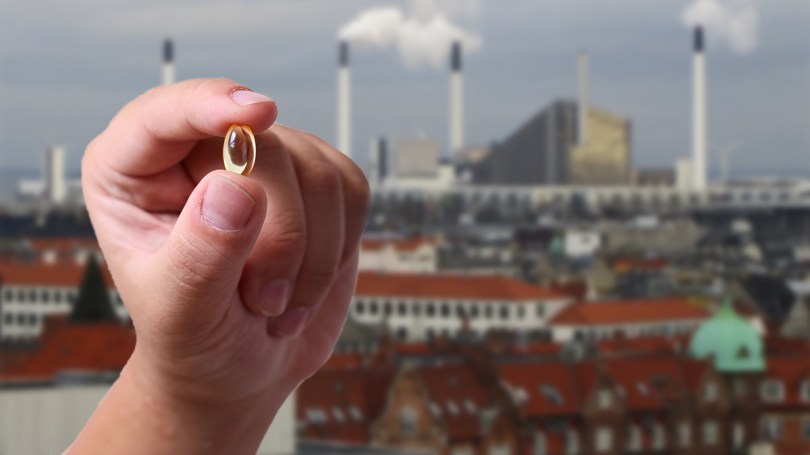
This is the new title many tweets and articles write about on media, but let’s take a step back. A pill will cure the problem! Well I don’t think so.

Of course we always have to eat well and healthy, lots of vegetables and fruit. The group of Vitamin B may help with the impact of fine particle pollution on cardiovascular disease (I won’t talk about the study), but please don’t lay your hopes on a pill. Air pollution is increasing and the only solution is decreasing our footprint by burning less to none coal and fossil fuels.

See The Air: The Book

See The Air

The Essential Guide For Optimal Air Quality In Your Life

After a long time of researching and writing all the essential information about air pollution and how you can improve the air quality for you and your community, the book is ready. I am very thrilled to share this book with you all and I will be even happier if you share it with your friends and family as well. I tried to keep it as simple as possible without unnecessary information. You can see the table of contents below and take a small idea of what is inside this book.Read More »

Air pollution and Eyesight

eye dirt

There are more than 100 studies demonstrating that poor air quality and pollution can affect your respiratory system (lungs, throat, etc) but what about our vision and our eyes. Does air pollution affects our Eyes?

The short answer is yes! Think about how you feel when your eyes come in contact with pollen (in case you are allergic) or heavy smoke, they immediately become red and itchy! The effects of the air pollution have not been studied enough yet on the same way as on the respiratory system, but I am sure scientists are doing the best they can.Read More »