A DIY Ventilation Solution for Renters

Renting an apartment often means limited control over modifications, especially when it comes to essential systems like ventilation. Poor indoor air quality can significantly impact health and well-being, but drilling holes for traditional ventilation systems is usually out of the question. This article presents a simple, affordable DIY project using a standard air purifier to bring fresh, filtered air into your rented space without any permanent alterations.

The Problem: Stale Indoor Air and Renting Restrictions

Old apartments but also modern, energy-efficient apartments can sometimes suffer from poor ventilation, leading to a buildup of indoor pollutants like CO2, volatile organic compounds (VOCs), and particulate matter. While opening windows is a simple solution, it’s not always practical due to weather, noise, or outdoor air pollution. Renters often face the added challenge of not being allowed to make structural changes, ruling out traditional ventilation installations.   

The DIY Solution: Air Purifier Ventilation

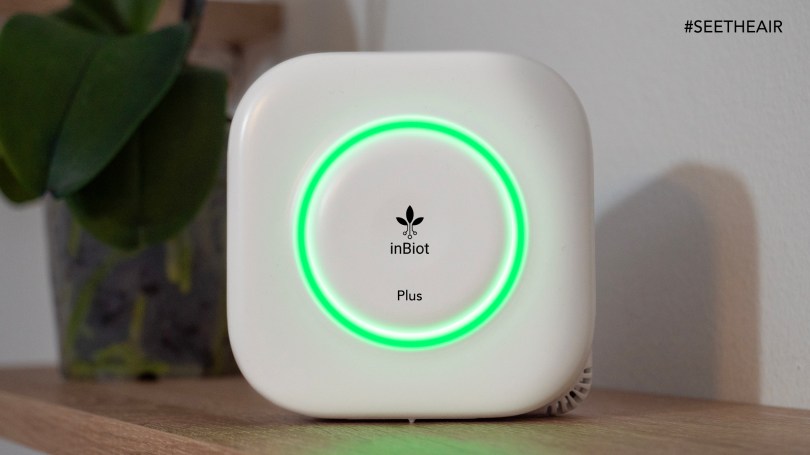
This project uses a standard standalone air purifier in a novel way to introduce fresh, filtered outdoor air. The key components are:

  • A Standard Air Purifier: Choose one with a HEPA filter for particulate matter and a carbon filter for gases. Programmable models are highly recommended for automation.
  • Flexible Tubing and Window Adapter: These connect the air purifier’s intake to a slightly opened window. You can find suitable tubing and adapters at most hardware stores for around €15.
Read More »

Book Review: “Indoor Air Quality in Buildings for Well-being: Practical Application Strategies”

A 2023 published book in Spanish, “Calidad del aire interior en los edificios para el bienestar: estrategias de aplicación práctica” (Indoor Air Quality in Buildings for Well-being: Practical Application Strategies), is poised to become an essential resource for improving indoor air quality globally. Authored by Miguel Ángel Campano, Jessica Fernández-Agüera, and Juan José Sendra, this comprehensive guide delves into the critical aspects of indoor air quality (IAQ) and offers practical strategies for creating healthier indoor environments.   

Relevance to Global Initiatives

While currently available in Spanish, this book’s content is highly relevant to international efforts such as the development of Global Open Air Quality Standards (GO AQS). The GO AQS initiative aims to establish universal benchmarks for air quality, and the book provides valuable insights and data that can orient the initiative.

Comprehensive Coverage of Key IAQ Factors

Read More »

Understanding the Link Between Indoor Ventilation and Radon Levels: Insights from Recent Measurements

January marks Radon Awareness Month, a time when public health officials and environmental agencies emphasize the importance of monitoring and mitigating radon gas, a known carcinogen that can accumulate in buildings. Recent measurements taken in my residential setting have revealed a clear pattern linking radon (Rn) levels to indoor ventilation practices, providing valuable insights into how we can manage this health risk effectively.

Short-Term Analysis (7 Days)

The first screenshot presents data for a 7-day period, from January 1 to January 7, 2025. Here, we observe a significant spike in radon concentration on January 5, where levels reached a peak of 114.0 Bq/m³. This short-term data suggests that there was an event or condition on January 5 that caused an unusual increase in radon levels, possibly due to changes in weather, ground conditions, or indoor activities that disturbed the soil or building structure.

Read More »

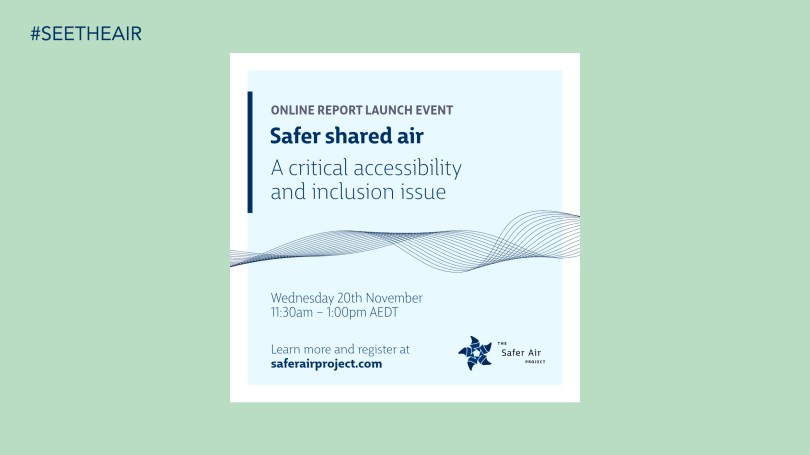
Breathe Easy Together: Register Now for The Safer Air Project Report Launch!

Creating a world where everyone can breathe safely indoors.

The pandemic has highlighted a critical truth: many diseases spread through the air we breathe. This makes clean indoor air essential for minimizing the risk of infection in our shared spaces, especially for those most vulnerable to airborne illnesses. Everyone deserves the right to access public spaces safely, and that right starts with clean air.

The Safer Air Project is excited to invite you to the online launch of our groundbreaking report, Safer Shared Air: A Critical Accessibility and Inclusion Issue. Join us to explore the importance of clean indoor air for public health and accessibility.

Here’s what you can expect:

  • Discover why safer shared air is a critical accessibility and inclusion issue.
  • Learn how we can work together to ensure healthier indoor air for everyone.
  • Gain insights from our report on the impact of poor indoor air quality and its connection to public health and inclusion.

This event is free and open to everyone!

Register now: https://www.saferairproject.com/

Together, we can create a world where everyone breathes safely indoors. Don’t miss this important discussion!

Recommended CO2 Levels for Optimal Building Performance

Carbon dioxide (CO2) concentration is a critical indicator of indoor air quality (IAQ) and plays a significant role in building performance. While CO2 itself may not be directly harmful at typical indoor levels, its concentration serves as a proxy for ventilation effectiveness and the potential buildup of other indoor air pollutants, including pathogens, that can negatively impact occupant health and cognitive function. This article examines the relationship between CO2 levels and building performance, drawing upon research findings and expert insights to recommend CO2 levels that promote a healthy and productive indoor environment.

Understanding the Role of CO2 in Indoor Environments

CO2 is a natural component of the air we breathe, but its levels can increase significantly in indoor spaces due to human respiration and other combustion processes (candles, cooking, combustion heating, etc). When ventilation is inadequate, CO2 from these sources can accumulate, leading to elevated concentrations.

Read More »

Review: airCoda – Pocket CO2 Monitor

Looking for a way to monitor CO2 levels on the go? The airCoda pocket CO2 monitor might be your breath of fresh air. This compact device features a photoacoustic NDIR CO2 sensors, a technology known for its small size and accuracy in measuring CO2 concentrations in any environment.

Why the airCoda?

  • Pocket-Sized Portability: Unlike bulkier CO2 monitors, airCoda’s small size allows you to easily carry it anywhere. Whether you’re checking CO2 levels in your office, classroom, or even your car, airCoda gives you the freedom to monitor air quality wherever you go.
  • Sensor Accuracy: Thanks to the integrated sensor, you can trust airCoda to provide reliable CO2 readings. This is crucial for making informed decisions about ventilation and maintaining healthy air quality.
Read More »

Over-the-Range Hood Microwaves: Addressing Indoor Air Quality Concerns

Over-the-range hood microwaves offer the convenience of a combined microwave and “ventilation” system. However, a common misconception is that they effectively remove cooking fumes and pollutants from the kitchen. While they do have a fan system, it’s crucial to understand their limitations.

Recirculation vs. True Ventilation:

Unlike range hoods that vent exhaust outdoors, most over-the-range microwaves utilize a recirculation system. This means they draw in cooking fumes, grease, and moisture through a metallic mesh filter with holes bigger than a Swiss cheese, then release the “treated” air back into the kitchen.

Read More »

Review: AIRVALENT – The smallest CO2 Monitor

Since I caught COVID last month (for the first time after 4 years), I’ve become increasingly concerned about the air quality in the places that I visit or stay for a long period of time like an airplane. So, I decided to try out the AIRVALENT CO2 air quality monitor to see if it could help me identify badly ventilated indoor environments.

Why the AIRVALENT?

  • Smallest CO2 monitor available: If size is a major concern, the AirValent could be a good option as it can easily fit in your pocket while traveling.
  • Aesthetically pleasing design: The AirValent appears to have a sleek and modern design that can be customizable during the purchase process. Various colors and patterns to choose from.
  • Tracks CO2, humidity, and temperature: This allows for a more comprehensive understanding of your indoor environmental quality.
  • Bluetooth connectivity: Allows for data monitoring and analysis through a smartphone app.

Technical Characteristics of AIRVALENT

Read More »

Ventilation Is Not Always An Option & Ventilation Needs to Be Done Correctly


Part 1: Ventilation Is Not Always An Option

Ventilation isn’t always an option in all areas and indoor spaces. Here are some key reasons why:

Environmental challenges:

  • Extreme weather: In very hot or cold climates, opening windows can be impractical or counterproductive. In scorching temperatures, opening windows might invite more heat in, while in freezing temperatures, it can cause heat loss and discomfort.
  • Air pollution: In areas with high levels of outdoor air pollution (e.g., traffic fumes, industrial emissions, wildfires), opening windows can actually worsen indoor air quality by bringing in the polluted air.

Space limitations:

  • Windowless rooms: Basements, interior rooms, and some commercial spaces like server rooms often lack windows, making natural ventilation impossible.
  • Small or airtight spaces: Tiny apartments, trailers, and even some modern, energy-efficient houses can be so tightly sealed that natural ventilation is insufficient.
Read More »

Ventilation Challenges and Pathogen Spread in High-Polluted Environments

Indoor air quality (IAQ) is a crucial aspect of human health and well-being. However, achieving adequate ventilation in homes and other indoor spaces can be challenging, particularly when outdoor air pollution levels are elevated due to smoke from wood-burning stoves. This article explores why poor ventilation in polluted environments poses a heightened risk of pathogen spread.

Factors Hindering Ventilation in Polluted Environments

Wood-burning stoves, used for heating and cooking, release particulate matter (PM), nitrogen oxides (NOx), and carbon monoxide (CO) into the atmosphere. These pollutants can accumulate in extended areas, especially under certain weather conditions. Normally, warm air rising from the ground carries pollution upwards, dispersing it into the atmosphere. However, during the winter, a warm layer of air can settle over a city like a lid, trapping cold air and pollutants near the ground. This phenomenon, known as a thermal inversion, occurs when a warm air mass above restricts the upward movement of cold, denser air, trapping it along with pollutants close to the surface. Thermal inversions are particularly prevalent in cities like Los Angeles, Mumbai, Granada, and Mexico City, where cold, dense air gets confined within mountain basins or valleys.

Read More »