Awair vs Awair

_1010399-Edit-2

I have had the opportunity to have two Awair devices for a short period of time because the old device had a defective PM sensor (that can happen with all electronic devices), so the company was kind enough to sent me a replacement unit, as a result I took this opportunity to compare the sensors between them except the PM sensor as the old one was defective before sent the old unit back to the company.

I took screenshots of the timelines of each sensor and placed them one on top of the other. This way it is very clear and easy to understand the correlation between the old unit and the new one.

sensorcomp.jpg

  • Temperature sensors: High correlation.
  • Humidity sensors: High correlation.
  • CO2 sensors: High correlation but offset by ∼70ppm.
  • VOC sensors: Good correlation (VOCs are measured in ppb (parts per billion) and then converted into index value which means that even a small change in the ppd value can affect the index result).

All in all both devices give the same readings, remember that I didn’t make the test inside a lab but in my house and this was a practical test.


Rooti CliMate Review

onthebeach

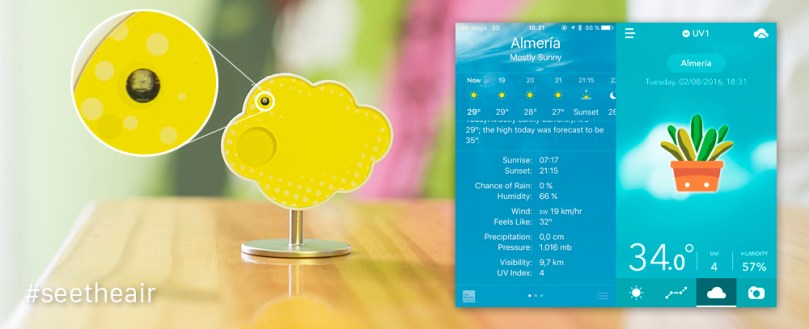
I have purchased a little environment tracker which tracks Humidity, UV light and Temperature. I wanted to write a review about it because I find it really cute cloud-shaped device which I can place it in any place I want and measure HUT and I think it worths its money ($25-$55) in my opinion.

Build

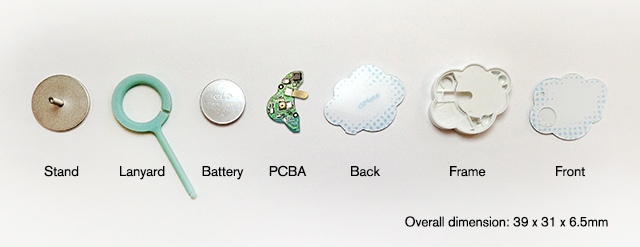
The device’s case is made of plastic and on the box it mentions that it is drip, slash and sweat resistant IPX4. However I wouldn’t mind paying more for an anodised aluminium case.

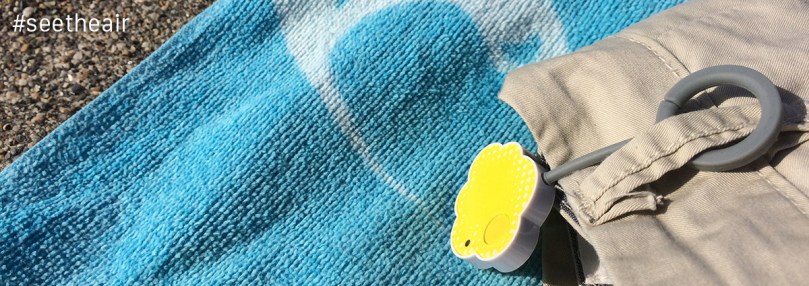
It comes with a Stand in case you want to place it on top of you night stand, table, bookcase, etc and with a Lanyard in case you want to carry it with you. It also has a nice physical feature which is a magnetic back, not enough strong to hold itself but if you own a small neodymium magnet you can combine them and use it on your fridge or placing it on your clothes like a wearable…

Design

As I mention before I find its cloud-shaped form really cute but it doesn’t make it really attractive to the general public or formal enough to wear it with you everywhere.

Energy

It works with a coin-sized Lithium battery CR2032 and it claims that can operate up to 6 months on normal usage. Although I would love if it had a small Solar panel on the front next to the UV sensor, infinity energy.

Sensors

Temperature: The temperature sensor is quite accurate but don’t expect high precision±2ºC. I have compared it with 3 more devices and they mostly coincide.

RH Humidity: It’s less accurate than the temperature sensor by ±5% based on my experiment, but it is Relative Humidity as its name says it is relative!

UV: A bit disappointed about it to be honest and I will explain why. I think the way they have place it on the device isn’t the optimal way to read always the correct UVI value from sun. You see sun’s rays hit the earth on an angle and the device must be on 90º angle with those rays if you want the device to tell you the highest value (highest=right value). One more thing that I don’t like is the frontal face because it can cast a shadow on the sensor and as a result no UVI reading.

zoomsensor2
UVI 4 by holding the device on the right angle outside.

App UI

screenshots

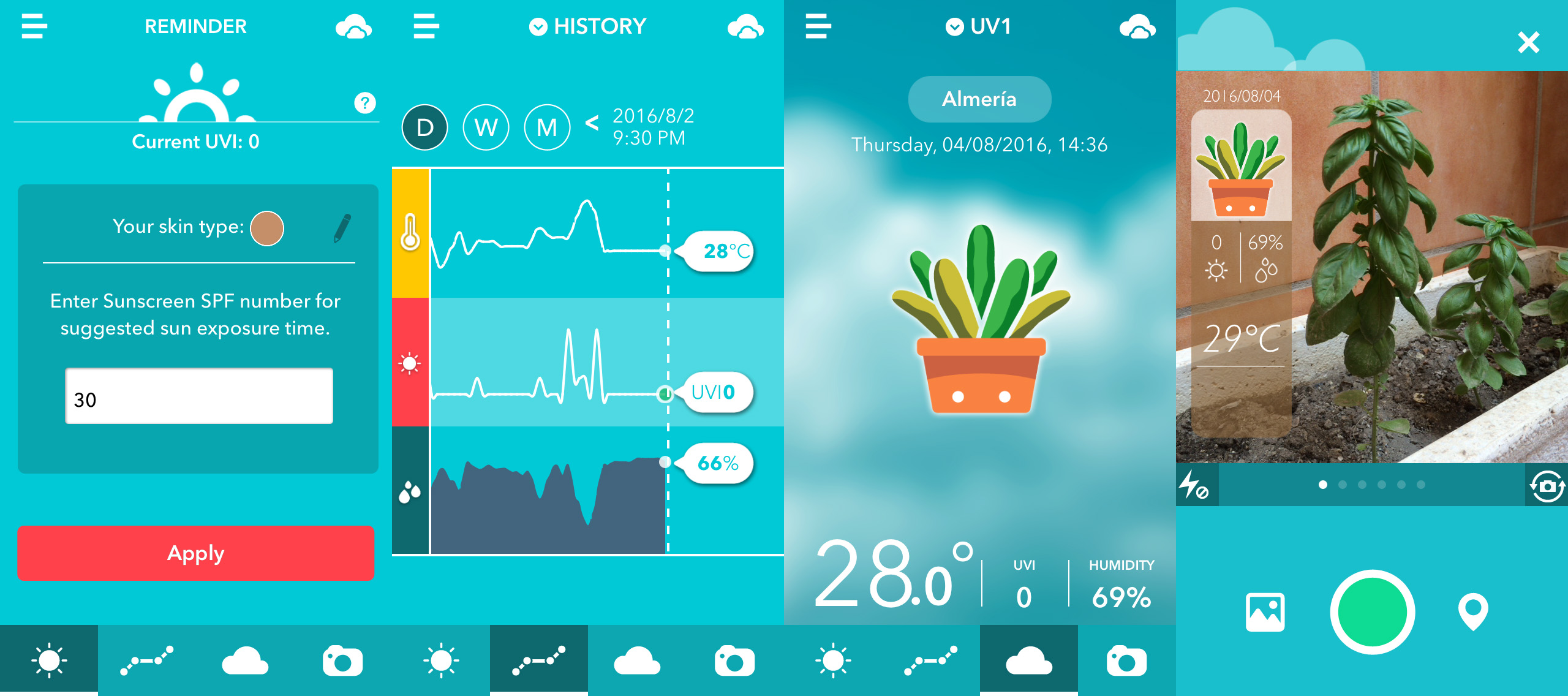
The iOS app that I have been using is super nice, but with some small bugs in the history tab. The app is divided into 4 Tabs. The first calculates the time you should be exposed on UV rays to avoid sun burns, the second is the History tab with Day-Week-Month overview of the HUT, the third tab is the main tab with all the current stats plus a little plant that tells you if it’s confortable or not and the last one is a social tab with a camera integration.

Connectivity

It uses Bluetooth 4.0 technology and it works with iOS 6 or newer devices and any Android 4.3 or newer.

parts

P.S The device is under the brands Adam Elements CliMate and Rooti CliMate.

3 Ways to Improve your Indoor Air Quality

cleancleanclean

Clean Clean Clean!

Steps

  1. Clean your apartment’s floors and the furnitures twice a week.
  2. Clean the pre-filters from your Air Conditioners or your purifiers every one-two months.
  3. Clean or refresh your linens once a week.

Guide

  1. Vacuum. Pollutants can accumulate in the house. By using a vacuum with a HEPA filter you can reduce concentrations of lead, dust and dust mites in your house. Mop. Mopping picks up the dust that vacuuming leaves behind. Avoid soap and other chemicals and just use water and a blend of essential oils like Tea Tree, Lemon and Pine, trust me it works! (Don’t over mopping due to excess humidity). Dust. Remove dust from the furnitures with a mixture of water and few drops of an essential oil blend (Lemon-Lavander) inside a bottle spray and with the help of a rag. No shoes. Put a floor mat at every door. People track in all sorts of chemicals via the dirt on their shoes. Finally ask your family members to walk around the house without shoes.
  2. Clean the pre-filters inside your shower cabin with the shower telephone and then mix in a bowl 3 cups of warm water, 1 tsp of baking soda and 4 drops of tea tree essential oils and scrub gently the filters to disinfect them and give them a fresh scent.
  3. Your linens can accumulate a big amount of dust, so remember to clean them by washing or by hanging them outside in the sun for a few hours or by vacuuming them in case there isn’t available any of the options above like sofas, armchairs, etc.

My DIY Air Purifiers

This summer I decided to design and hopefully build a DIY Air purifier. I came up with three designs and I need your vote to help me choose one of the three.

  1. Maybe one of the simplest DIY purifier equipped with a fan, a HEPA / activated carbon filter.
  2. This one allowes more aire to flow from the bottom to the top thanks to its cone shape again with a HEPA / activated carbon filter but it takes more space.
  3. A wooden purifier, equipped with two smaller fans and a HEPA / activated carbon filter.

Vote by leaving a comment bellow. In case you have any suggestions I would love to read about them as well.

DIYPurifier all

My opinion about VOC Sensors

head

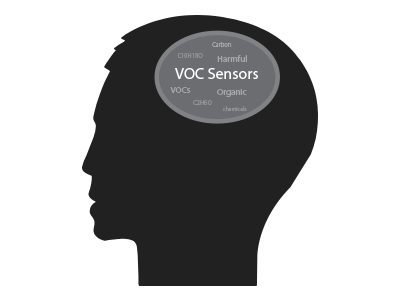
It has been quite some time now since I have had 2 devices with VOC sensors and I want to express my honest opinion about them. I am not going to talk about the brands but only I will discuss my opinion if the VOC sensor have a value to the user.

One of devices displays the measurments in ppb and the other one displays an index value from 1 to 5. At the beginning I was thinking that ppb is a better way to display pollution inside the house “more accurate” but after a while I understood that it doesn’t matter because index values are a greater and easier way for the avarage users to understand that.

VOC sensors measure a variety of harmful chemical compounds with carbon atoms (aka organic) like Acetone CH3(CO)CH3, Benzene C6H6, Ethylene glycol C2H6O, Formaldehyde CH2O, Toluene C7H8,Xylene C8H10, etc… but also other non harmful VOCs as well, for instant when I clean my house I use distilled water and organic essential oil, tea tree to be more exact. Tea tree’s components are Terpinen-4-ol C10H18O, γ-Terpinene C10H16, Aromadendrene  C15H24 etc… all with Carbon atoms which they trigger the VOC sensor. As you can understand if you don’t have the chemical knowledge for each particle in the air, you might get confused by the alerts your VOC sensor gives you.

_1010135

Many users have told me that they indeed feel confused by the readings the VOC sensor gives them. The researchers on the other hand say that at least you know the concentration of some organic gas is higher than normal, and you can start thinking about why that occurs.

I am not in favor of researchers’ opinion, the user has to know excaly what isn’t going well with his air quality and not guessing.

DIY IoT Sensors Weather-Air

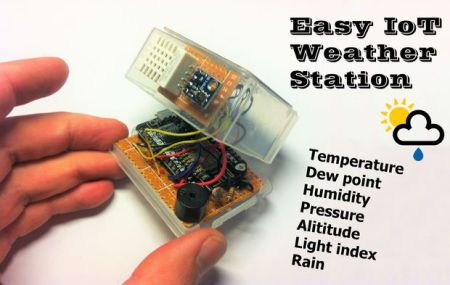
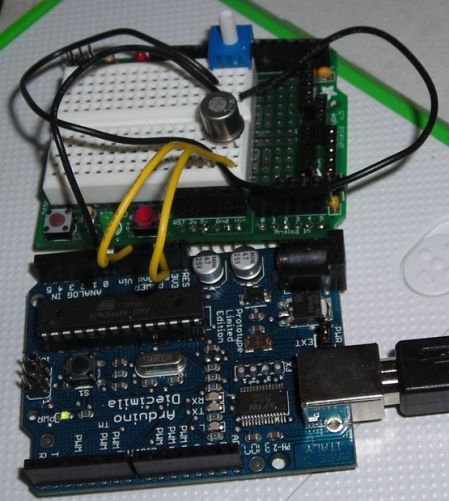
Interesting DIY projects for Weather-Air devices. Sure there are many Brand devices out there that measure air pollution or weather conditions but prices can get high, so if you have the skills to solder then you can design a device for your own needs. There are a lot of DIY projects out there, so choose the best for you and your wallet.

1.   Easy IoT weather station with multiple sensors by Ingenerare

http://www.instructables.com/id/Esay-IoT-Weather-Station-With-Multiple-Sensors/?ALLSTEPS

Estimated cost of the project around 15$

FYF88KDINI7SBPP.MEDIUM
Easy IoT weather station with multiple sensors

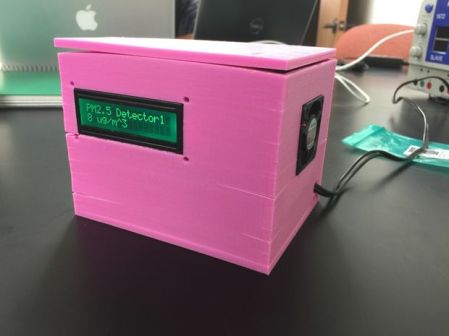
2.    Air Pollution Detector by ESC2018

http://www.instructables.com/id/Air-Pollution-Detector/?ALLSTEPS

Estimated cost of the project ∼80$ with many gas sensors

FNRYTLOI9Q9AN7L.MEDIUM.jpg
Air Pollution Detector


3.   Air Pollution and Environmental Monitor by EricT93

http://www.instructables.com/id/Air-Pollution-and-Environmental-Monitor/?ALLSTEPS

FQ72YAWIOSPABSJ.LARGE.jpg
Air Pollution and Environmental Monitor


4.   How To Smell Pollutants by liseman

http://www.instructables.com/id/How-To-Smell-Pollutants/?ALLSTEPS

F7ENKXFFEMHW1VK.MEDIUM.jpg
How To Smell Pollutants


5.   Build Your Own Particle Sensor

https://www3.epa.gov/airnow/teachers/gh_pmsensorkit_handoutandinstructions.pdf

gh_pmsensorkit_handoutandinstructions.jpg
Build Your Own Particle Sensor


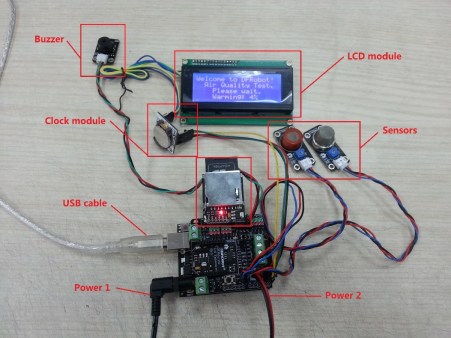
6.   DIY your own air quality monitor with Arduino

http://www.dfrobot.com/index.php?route=DFblog/blog&id=88

df02.jpg
DIY your own air quality monitor with Arduino


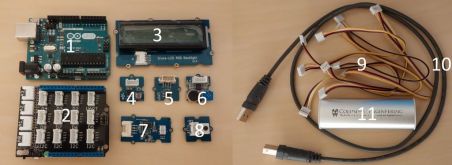
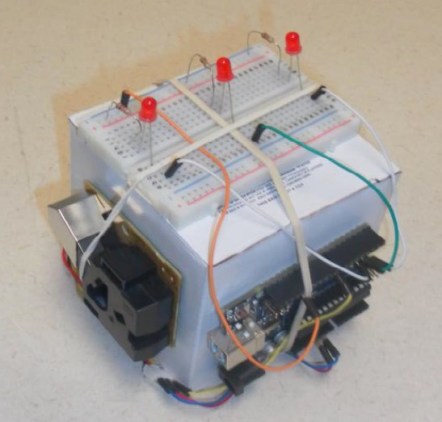
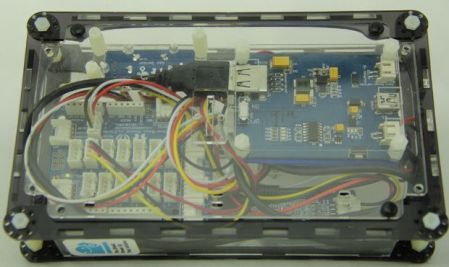
7.   Air Quality Test Box by Seeed Studio

http://www.instructables.com/id/Air-Quality-Test-Box/

F1FDBOSHIZDATR0.MEDIUM.jpg
Air Quality Test Box


Mold In Your Home Video

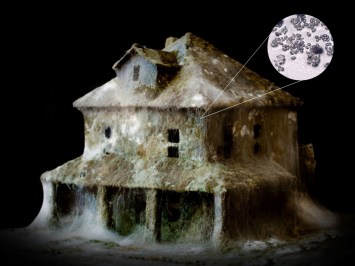
housemold

If you have problem with Mold in your house the video below will help you understand it better and clean it up. They couldn’t explain it better.

Mold In Your Home Video by Northwest Clean Air Agency

Air Purifiers Comparison 2016Q2

purifiers

Air Purifiers that use various ideas and technologies to clean the air from VOCs to PMs. As you can see on the green column I have mentioned the best and the cheapest way to improve air quality indoors, it’s a reminder for those that can apply this principle.

comparison air 2016 Q1

  • Prices may vary during time.
  • Some Companies don’t specify on their datasheets some of the infos.
  • There are hundreds of air purifiers out there I have just included some of them, if you want to suggest another one please feel free to mention it on a comment below and I will be happy to add it.
  • The classification of the design is based on my personal criteria, what’s aesthetically nice or not.

Foobot vs Netatmo vs part of AirMentor

ioxnfAmK

A #seetheair reader has purchased a Foobot and a Netatmo units and he was kind enough to answer some of my questions and help me write this comparison post between these two devices. Something adictional that I want to meantion is that he used to have an AirMentor device too but he had to return it because of the wifi-internet lack.


Q1) Which one do you think is more accurate? On VOCs, PMs, CO2, Temperature and Humidity. 

A1) I have the feeling Netatmo is better on CO2 readings it had the same values as AirMentor as I said if AirMentor would give the ability to check it from the web and had a IFTTT channel I would have kept it, but the levels of PMs and VOCs were more or less the same between AirMentor and Foobot. Netatmo shows always an higher RH% than the others. I also have Wirelesstag tags and they show the same RH% as Airmentor and Foobot, so I guess Netatmo is wrong. (All companies have tested their devices inside chambers but still they fail to have accurate readings because the sensors either aren’t good enough or they don’t calibrate propertly especialy the PM sensors. I read and see that many consumers struggle with that, they just don’t know what to believe.)

1oVeiVEf copy

Q2) Have you ever had connectivity issues with any of the devices?

A2) Sometimes Foobot shows a message, but are simple glitches that do not really create a problem. (I want to mention here that I have never had connetion problem with Foobot and my Home Wifi router but yes with my parents router, but even other devices like iPhone, Android or Windows Laptop have had problems with my parents’ router, so maybe you need to check the router as well.)

Q3) Which device has friendlier user interface and which has better data representation?

A3) I would say Netatmo has a better user interface…, but there are also differences between iPhone and Android for Foobot and the iPhone version is a bit better, but probably this is personal taste. (Indeed Foobot has a bit better interface on iOS than Android.  Also Netamto offers weather forecast in the app.)

Q4) Is there anything you would like to change on both devices?

A4) Netatmo could improve the humidity sensor nothing more, on the other hand Foobot could split the PMs and add an action in IFTTT to send a notification when air pollution is lower than x value, this would help in managing the air purifier. I guess Foobot could improve the way they calculate CO2 but at the end I still have a bit the feeling that I don’t know where the truth is and maybe only with a professional device we will know this. (As I wrote before, companies have to join somehow forces and standarize their results, maybe they need to apply EU or USA Air Quality Standards or come up with new ones, but common ones.)


I would like to thank Angelo @ilprofessoredi for helping me writting this post and for the time he has spent answering my questions and taking photos and screenshots of the apps.

You can also read my previous comparison article “Foobot vs Awair“ here. 

Air quality and Men

testosterone

When companies deciced to create an ad for their product about air quality such as air purifiers, air monitors, etc…, they always choose pregnant women or women with babies to demostrate that air pollution exists and these individuals have to protect theirselves because they are more vulnerable, but what about men? What threats do men have when they are exposed to air pollution?

Air quality and male testosterone

The chemical agents present in the environment, such as traffic pollutants, may affect male fertility. In a study that have been made free testosterone values were significantly lower in traffic policemen that were expose in daily traffic pollutants.

VOC Formaldehyde

Exposure to Formaldehyde vapor can destroy testicular structure and decrease percentages of concentration, viability, normal morphology, and progressive motility, in addition to increasing the percentage of immotile sperm.

Air Fresheners & Cleaning Products

Many consumer products are mixed with the nastiest of chemicals and then sprayed throughout your home and workplace it has as a result penetration into the lungs and sinuses.

The concern with air fresheners are not only the products themselves, such as VOCs  and terpenes, but also the byproducts produced when they hit ozone in home air.  For example, terpenes react with the ozone in the air we breath and create nasty toxins such as formaldehyde and the hydroxyl radical. Cleaning products can contain Glycol ethers which can damage sperm.

DDT – Pesticides

Other chemicals like dichlorodiphenyltrichloroethane (DDT), organochlorines, polychlorinated biphenyls (PCBs), and their metabolites are strongly active as estrogen mimics and are prevalent throughout the world’s soils, water, and air. Millions of tons of these estrogen mimics are used as pesticides on farms all over the world. Principally impressive are huge agribusiness operations, which use these kinds of chemicals in huge quantities to increase animal growth. Despite people in the USA think that DDT is history, it is not.


Reference

http://www.ncbi.nlm.nih.gov/pubmed/21069536

http://www.ncbi.nlm.nih.gov/pmc/articles/PMC3850312/

http://www.ncbi.nlm.nih.gov/pmc/articles/PMC4279615/

http://www.peaktestosterone.com/Air_Fresheners.aspx

http://www.ncbi.nlm.nih.gov/pubmed/26832705